Every headline right now treats the Bab al-Mandab strait like a fragile glass vase sitting on the edge of a loaded pool table. Qatar steps up, issues dramatic warnings about global suffering, and the financial press nods along like trained seals. The lazy consensus is absolute: any disruption to this narrow maritime vein chokes off global commerce, spikes energy prices, and triggers an immediate humanitarian catastrophe for anyone unfortunate enough to rely on imported fuel.
It is a tidy narrative. It is also fundamentally lazy and wrong.
I have spent the better part of two decades watching geopolitical analysts panic over every ripple in Middle Eastern shipping lanes, and I have learned one brutal truth. The alarmists always confuse a pricing event for an existential supply collapse. Qatar’s public posturing about suffering is not a disinterested warning from a humanitarian statesman. It is a calculated exercise in anxiety management designed to protect long-term liquefied natural gas contracts against the structural reality that global energy markets are far more resilient—and far more ruthless—than Doha wants to admit.
Let us dismantle the core myth right here: the idea that closing or severely restricting the Bab al-Mandab strait breaks the physical backbone of global trade permanently.
It does not. It reroutes it. And rerouting is expensive, but expense is a line-item problem, not a doomsday scenario.
When tanker traffic steers clear of the southern mouth of the Red Sea and bends around the Cape of Good Hope, the voyage adds roughly ten to fourteen days to a transit between the Persian Gulf and Europe. Shipping companies scream about bunker fuel costs, charter rates spike, and maritime insurance underwriters sweat through their custom suits. Yet the molecules still move. The steel hulls still float. The cargo still arrives.
What we are actually looking at is a massive tax on inefficiency, paid entirely by end consumers and poorly managed logistics desks. When Qatar warns of suffering, they are talking about margin compression and contract renegotiation leverage, not the literal cessation of global warmth and power.
To understand why this panic is overblown, we need to look past the dramatic rhetoric and examine how modern commodity routing actually absorbs shocks. Markets do not shatter when a bottleneck constricts; they adapt through violent, immediate price signals. High freight rates draw idle tonnage out of mothballs within weeks. Refiners adjust blending yields. Buyers swap regional suppliers with ruthless indifference.
Qatar knows this better than anyone. As one of the world's premier exporters of liquefied natural gas, their economic model relies on long-term delivery certainty commanding a premium over spot-market chaos. If buyers start viewing maritime transit through the Bab al-Mandab as an unmanageable gamble, the entire architecture of fixed-price, multi-decade supply deals begins to fray. That is the real nightmare in Doha. Not global starvation, but the death of predictable pricing.
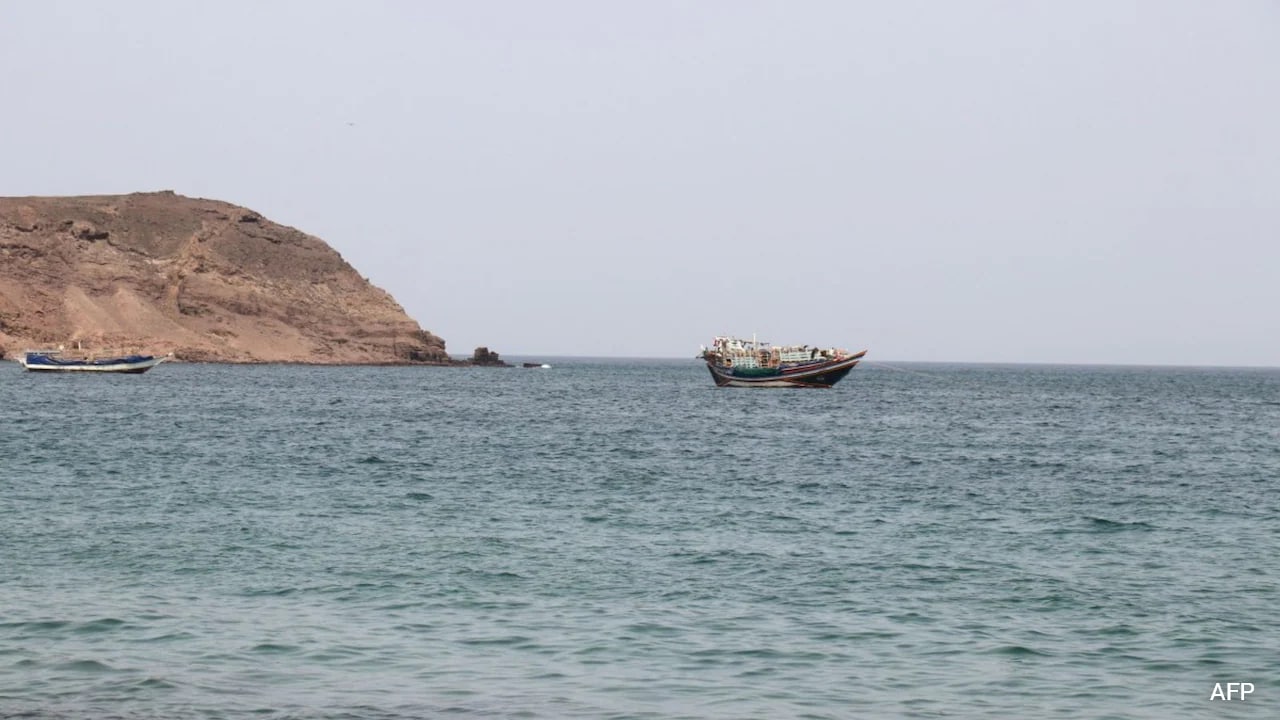
Consider the mechanics of the choke point itself. The strait is barely twenty miles wide at its narrowest point, flanked by Yemen and the Horn of Africa. For years, strategists have treated it as a permanent single point of failure. But systems designed around single points of failure eventually breed redundancy. Shippers have spent the last few years quietly hardening contingency playbooks. They are building flexibility into charter agreements, optimizing fleet speeds, and establishing agile storage hubs that insulate downstream industrial users from sudden regional flare-ups.
The mistake analysts make is treating global trade like a delicate glass sculpture instead of a fluid network. Cut one channel, and the liquid simply finds another contour, flowing around the obstruction at a higher pressure and a higher cost.
This brings us to the real question everyone tries to dodge: Who actually profits from the panic?
Every time a statesman steps up to microphones in Doha or Brussels to warn of impending economic collapse due to Red Sea instability, insurance syndicates in London recalculate war-risk premiums. Spot rates jump. Energy traders lock in lucrative arbitrage windows. The crisis narrative becomes a self-fulfilling revenue stream for the intermediaries who manage volatility.
If you run an industrial operation in Europe or Asia, your takeaway from this geopolitical theater should not be panic. Your takeaway should be a complete overhaul of your supply chain assumptions. Stop budgeting for a frictionless, permanent baseline of cheap maritime transit. The era of optimized, just-in-time oceanic shipping lanes operating under perpetual naval protection is over.
Instead, build your operational margins around structural volatility. Diversify your sourcing footprints now, before the next flashpoint turns a temporary insurance spike into a permanent baseline cost. Recognize that when a major exporter tells you the world is suffering enough, they are usually just worried about their own bottom line.
The strait remains open, or it gets bypassed. Either way, the tankers keep moving. The only thing that truly needs fixing is our addiction to catastrophic forecasting.