If you raise livestock or own pets near warm, humid grazing zones, you need to understand the threat of the New World screwworm right now. Flesh-eating larvae don't wait for policy debates or routine farm inspections. They move fast, eat living tissue, and can kill an infected cow or horse in less than two weeks if you miss the warning signs.
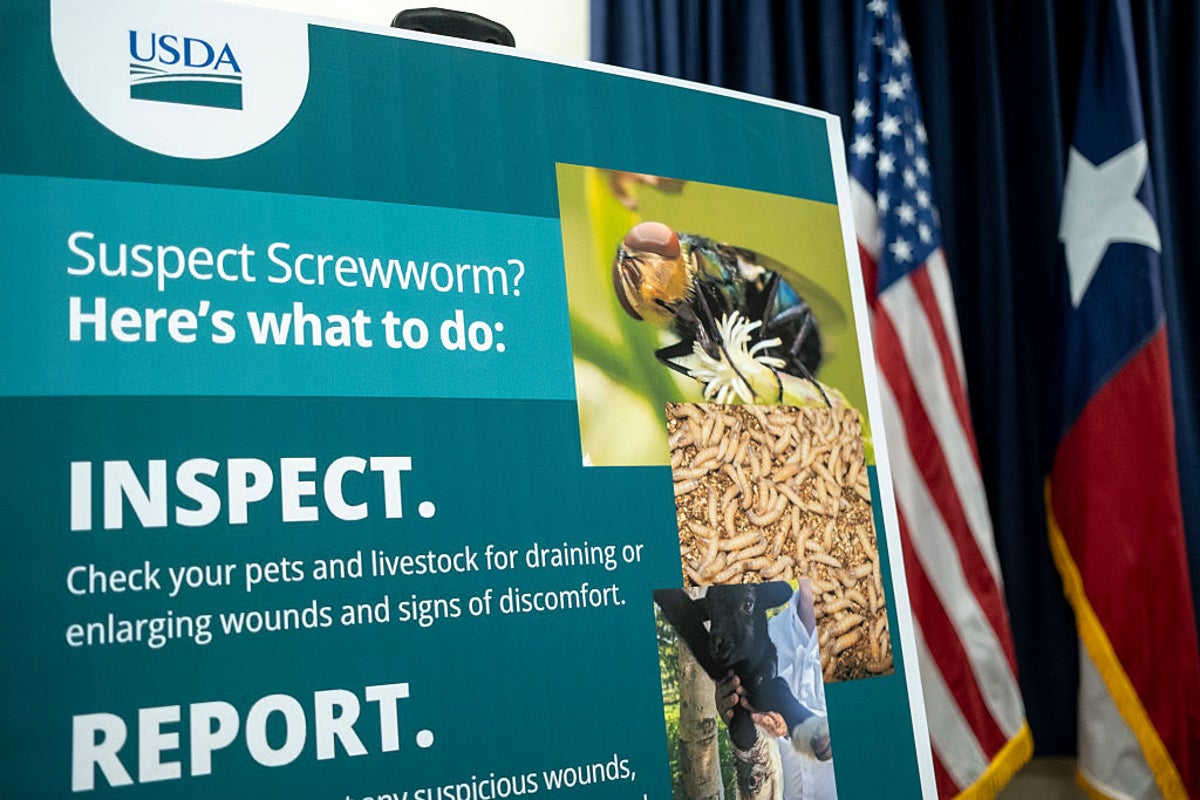
I've seen my share of parasitic infestations over years in veterinary practice. Lice, ticks, heartworms—they're all miserable. Screwworms are a whole different nightmare. Most blowflies feed strictly on dead, decaying tissue. The female New World screwworm fly (Cochliomyia hominivorax) seeks out open wounds on live, warm-blooded animals to lay her eggs. Within twelve to twenty-four hours, tiny larvae hatch, burrow straight into living muscle tissue, and start feeding.
If you aren't actively checking your herd, flock, or backyard dogs for tiny cuts and larval activity, you're leaving your animals completely exposed.
The Biology of a Screwworm Attack
Understanding how this parasite operates isn't just academic. It's how you spot an infestation before it's too late.
The adult female fly looks like a shiny, blue-green housefly with three dark stripes along its back and an orange-red head. You won't usually spot the flies themselves because they move fast and prefer shaded, brushed areas. What you will see are the eggs. A single female deposits two hundred to four hundred tiny, cream-colored eggs in a neat, shingle-like pattern along the edge of any break in an animal's skin.
That break doesn't need to be a major surgical site or a barbed-wire tear. A tick bite, a fresh navel on a newborn calf, a tiny scratch from brush, or even a brand-new ear-tag hole is more than enough space for a fly to land and drop her batch.
Once the larvae hatch, they push their way downward into the flesh using sharp mouth hooks. They don't just sit on top of the wound like benign maggots cleaning dead skin. They use digestive enzymes and mechanical force to drill pockets into healthy tissue.
As they feed, the wound expands. It gives off a distinct, foul odor that attracts even more female screwworm flies. What started as a minor abrasion can turn into a massive, multi-generational infestation within three days.
Early Warning Signs You Can't Afford to Ignore
Catching this early is the difference between simple wound care and losing an animal.
Look closely at your herd every single day. Here's what actively infested animals usually look like:
- Restlessness and isolation. Animals will drop back from the herd, stamp their feet, or constantly bite at a specific spot on their body.
- Unusual discharge. Infested wounds leak a reddish-brown, foul-smelling fluid rather than normal clear serum or thick yellow pus.
- Enlarging wounds. The hole in the skin gets deeper and wider, but you won't see normal scab formation.
- Visible movement. If you look closely into the pocket of the wound, you'll see a dark, squirming mass of larvae packed tightly together, tails pointing outward to breathe.
- Depression and fever. By day three or four, systemic toxins kick in. The animal stops eating, droops its head, and develops a spike in body temperature.
Preventive Measures That Actually Work
eradicated status across North and Central America was achieved through the Sterile Insect Technique—a massive eradication campaign run by the USDA and partner nations using billions of sterile male flies released from aircraft. But eradication boundaries flex, and regional outbreaks constantly threaten biosecurity borders. You cannot rely solely on government release programs to guard your property lines.
Prevention on the ground comes down to tight, disciplined herd management and quick wound care.
Manage Birthing Schedules Wisely
Newborn navels are prime real estate for screwworms. If you operate in a high-risk area or during peak fly activity, time your calving, kidding, or lambing seasons for cooler, dryer months when fly populations drop sharply. If you have late births during warm periods, keep mothers and newborns in clean, closely monitored barns until the umbilical stump completely dries up and drops off.
Postpone Elective Procedures
Delay castrations, dehorning, branding, and ear tagging during periods of high fly activity. If you must perform these procedures during warm months, use prophylactic larvicide treatments on the wounds immediately and check those animals twice daily.
Treat Every Wound Immediately
There is no such thing as a "minor" cut when screwworms are around. Treat every single skin break:
- Clean the wound with mild antiseptic solutions.
- Apply a protective, fly-repellant wound dressing or topical larvicide dust containing active ingredients like permethrin or organophosphates registered for livestock use.
- Keep the animal in a screened or covered area until the wound forms a hard, dry scab.
How to Handle a Suspected Infestation
If you find live maggots in a wound on your livestock, horses, or pets, do not just spray them with household bug spray and walk away. Improper handling can cause larvae to drop into the dirt, pupate, and emerge as adult flies a week later to re-infest your herd.
First, isolate the affected animal immediately to prevent flies from feeding and reproducing.
Contact your local veterinarian or state agricultural authority right away. New World screwworm is a reportable pest in almost every jurisdiction. Authorities need to identify the exact species because mistaking standard blowfly maggots for screwworms leads to unnecessary panics, while missing real screwworms allows a localized outbreak to explode into a regional crisis.
While waiting for expert help or instructions, carefully collect a few of the larvae with tweezers and place them in a small glass jar filled with rubbing alcohol. This gives your vet or state entomologist a clean sample to inspect under magnification.
Treat the wound directly with an approved topical larvicide to kill the deep-burrowing maggots inside the flesh. Inspect the wound carefully after treatment to remove dead tissue and ensure no live larvae remain trapped in deep pocketing. Keep the patient isolated, hand-fed, and dry until the tissue completely heals over.
Start auditing your property today. Check your fence lines for exposed wire or sharp metal that causes unnecessary hides cuts, stock up on approved livestock fly sprays and topical larvicide powders, and build a daily inspection routine into your morning turn-out.