The coffee in the paper cup was still lukewarm when the phone rang in the quiet pre-dawn hours. Outside, the world was ordinary. Streetlights hummed against the dark, and the pavement held the chill of an early winter morning. Inside, a life was about to be sliced in two by a single sentence delivered through a speakerphone.
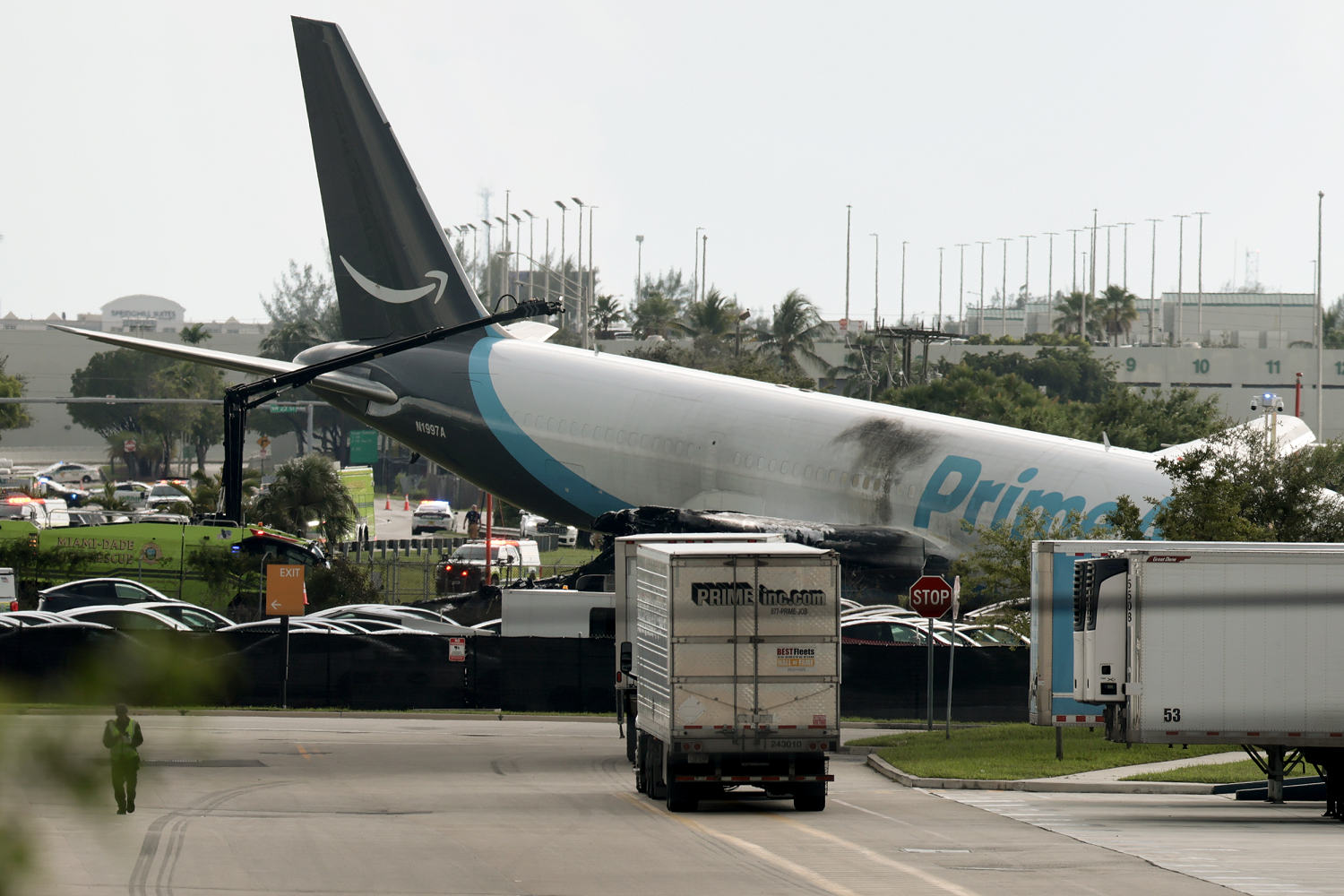
An accident. A runway. A plane bearing a familiar blue smile on its tail. Meanwhile, you can find related developments here: Why Extradition Drama is Just a Distraction from the Real Systemic Failure.
We measure our modern convenience in fractions of hours. Two-day shipping became next-day shipping, and next-day narrowed into the frantic promise of things arriving before the sun sets. We click a button and forget. We do not think about the weight of a cardboard box, nor do not consider the physics required to push millions of packages across oceans, continents, and tarmac at midnight. We see the box on the porch. We rarely see the runway.
On a wet night in February, Flight 3591 didn't just land. It plunged. To understand the full picture, check out the excellent analysis by Reuters.
The Boeing 767 cargo jet, operating for Atlas Air on behalf of Amazon Air, was descending toward George Bush Intercontinental Airport in Houston. The cockpit voice recorder would later paint a terrifying picture of spatial disorientation—a sudden, violent pitch-down into a Trinity Bay mudflat that left no survivors. Three souls vanished into the murky water in seconds.
Among them was Captain Sean Archuleta.
Months later, the legal filings arrived. Dry, formal documents typed in Times New Roman, filed in a Texas federal court by his wife, Mara. Words like "negligence," "wrongful death," and "failure to train" pepper the pages. To a casual observer, it is just another lawsuit in a litany of corporate litigation. Another headline scroll on a morning news feed.
It is easy to look at a court docket and see only paragraphs of legal jargon. It is harder to look at the empty side of a bed.
Consider what happens when a logistics giant builds an empire on the altar of immediate gratification. The pressure does not stay in the corporate boardroom in Seattle. It trickles down, molecule by molecule, until it reaches the cockpit of a cargo plane crossing a stormy Texas sky at three in the morning. It becomes the invisible headwind of a schedule that cannot afford to slip.
When Mara Archuleta filed her lawsuit, she wasn't just seeking financial compensation from Atlas Air, Amazon, and other aviation entities. She was dragging an invisible supply chain out from the shadows and forcing the world to look at its mechanics. The complaint details systemic issues—concerns over pilot training, fatigue management, and the relentless pressure placed on flight crews operating within the hyper-accelerated ecosystem of modern e-commerce cargo networks.
Air cargo is the circulatory system of our consumption. While passenger airlines battle for consumer loyalty with peanuts and seat pitch, cargo carriers fly in the dark. They are the night shift. They move when the rest of the country sleeps, ensuring that the warehouse shelves stay stocked and the front porches stay full.
Yet, flying freight is different from flying people. The schedules are often erratic, the hours punishing, and the public scrutiny virtually nonexistent. Until something hits the mud.
In aviation, safety is rarely compromised by a single, catastrophic failure. It is an accumulation of small, seemingly insignificant compromises. A missed rest period here. A hurried dispatch decision there. A training program stretched thin to meet the explosive demand of a company that treats geographical distance as a minor inconvenience.
When a pilot steps onto the flight deck, they carry the accumulated weight of an industry designed to never stop moving.
We have engineered a society that demands absolute motion. If a package is delayed by a day, we feel a flicker of annoyance. We tap our screens to check the tracking number, watching a little digital truck crawl across a map. We are insulated from the human cost of that movement. The pilot's union and safety advocates have long warned about the unique vulnerabilities of cargo operations, pointing to a regulatory framework that historically treated freight pilots differently than their passenger-carrying counterparts regarding rest rules and oversight.
Those warnings usually live in dry safety bulletins, read only by compliance officers and aviation geeks.
Then a plane goes down in a Texas bay.
The lawsuit filed by Sean Archuleta’s widow forces a collision between the frantic pace of consumer capitalism and the immutable laws of human endurance. It asks a fundamental question we spend most of our time avoiding: What are we willing to sacrifice for the privilege of tomorrow morning delivery?
Lawsuits take years to wind through the system. Motions are filed, depositions are taken, and experts argue over telemetry data, weather patterns, and human factors engineering. The headlines fade. The public moves on to the next crisis, the next viral video, the next Prime Day sale.
But in a house in Houston, the calendar page doesn't turn back.
Mara Archuleta’s fight is not just about the specific night in February, nor is it solely about the mechanics of a single flight crew's final descent. It is about accountability in an era where massive corporations outsource their risk while keeping the profits. Amazon builds the air network, contractors fly the planes, and somewhere in the middle, the human element becomes a line item on a spreadsheet.
We talk endlessly about innovation. We marvel at the drones, the automated sorting facilities, the predictive algorithms that know what we want before we do. But we rarely talk about the human friction underneath the gears.
The plane is gone. The bay water has long since settled over the wreckage. The boxes keep arriving, stacked high on porches across America, wrapped in tape, bearing the curved arrow that looks like a grin.
Somewhere over the Midwest, another cargo jet begins its descent through the clouds, guided by a pilot on the night shift, chasing a schedule written by invisible hands.