The English Channel in December does not look like water. It looks like liquid steel. It moves with a heavy, undulating malice, and the wind that sweeps across it from the Arctic doesn’t just chill the skin—it bruises the lungs. Most people only see this stretch of sea from the high, safe decks of a commercial ferry, sipping scalding coffee behind double-glazed glass, watching the white cliffs of Dover recede into the gray mist.
But on December 14, 2022, forty-seven human beings saw it from a distance of about six inches. Recently making headlines recently: The Underground Ghosts of Damascus.
They were packed onto an inflatable boat that had no business being on a garden pond, let alone the busiest, most treacherous shipping lane in the world. It was a flimsy, collapsible craft, over-inflated to stiffen its sagging rubber spine, held together by little more than glue and desperate hope. When the bottom gave way in the freezing darkness miles from the UK coast, the Atlantic took what it always takes when human greed meets human desperation. Four men died. Dozens of others were pulled from the surf, shivering so violently their teeth cracked, their skin the color of slate.
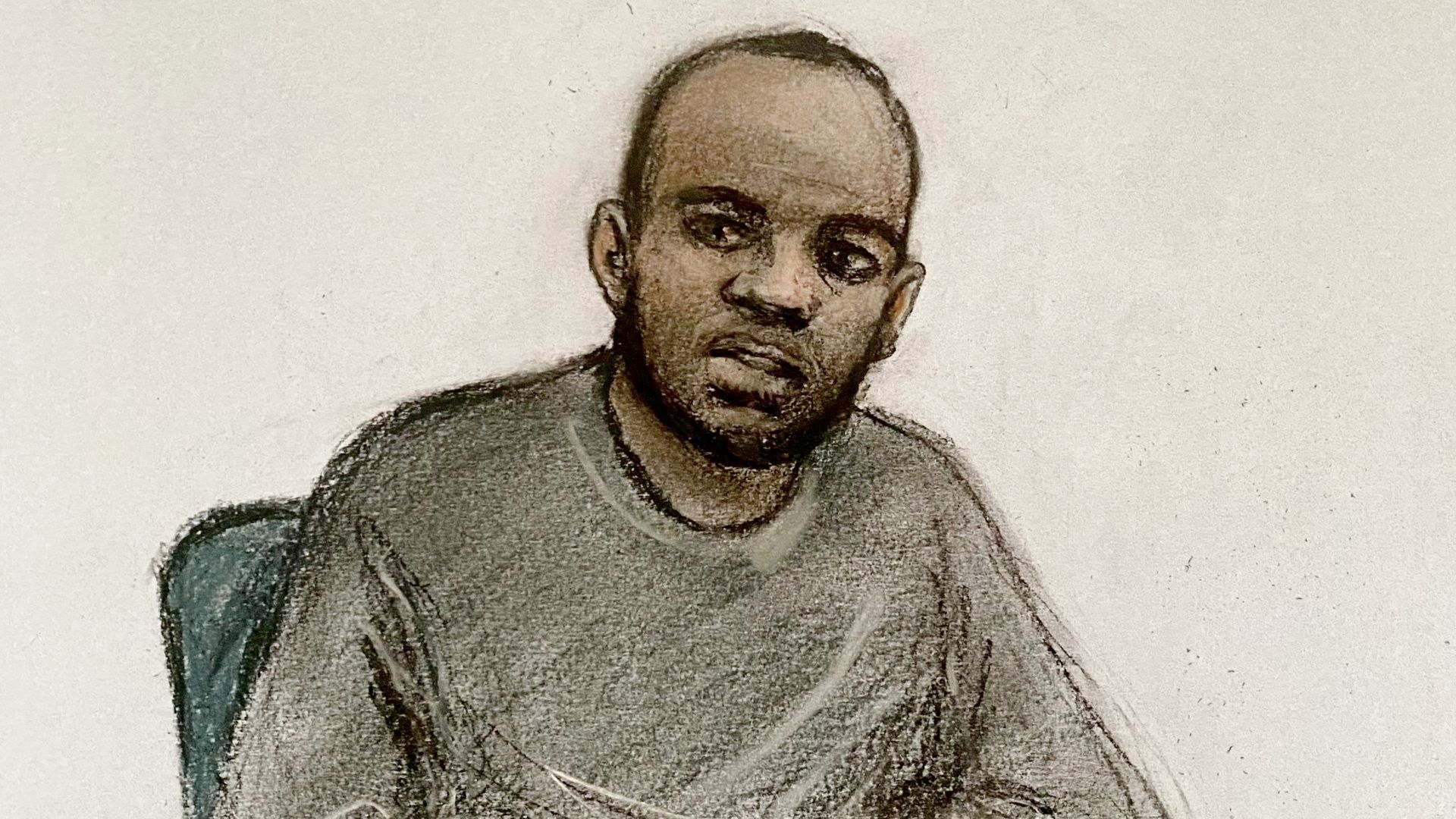
Recently, in a quiet courtroom at the Old Bailey, a 20-year-old man named Ibrahima Bah sat in the dock. He pleaded guilty to four counts of manslaughter by gross negligence and one count of facilitating illegal entry into the UK. The legal system calls it a conviction. The headlines call it justice. Additional information on this are covered by TIME.
But if we look closer at the mechanics of this tragedy, we find a story that isn't just about a courtroom verdict. It is about a brutal, subterranean economy where human life is the ultimate disposable commodity, and where the real architects of death rarely ever set foot on a boat.
The Illusion of the Captain
To understand how four people ended up at the bottom of the Channel, you have to understand the anatomy of a smuggling operation.
The public often imagines a smuggler as a sinister figure standing at the helm of a vessel, steering his human cargo across the sea like a pirate captain out of a movie. The reality is far uglier, and far more cynical. The masterminds—the cartel bosses operating out of makeshift camps in Dunkirk or safe houses in Brussels—almost never cross the water. They are businessmen. They manage supply chains. They procure cheap, substandard dinghies from factories in Eastern Europe, buy unreliable outboard motors in bulk, and market their services on TikTok.
When the time comes to launch, they need someone to drive the boat. But they aren't about to risk their own freedom or lives.
Instead, they look into the crowd of desperate migrants waiting in the dunes. They find someone who perhaps has a sliver of maritime experience, or someone who simply cannot afford the thousands of pounds required for a ticket. They offer a deal. Drive the boat, and your passage is free.
This was the trap that snared Ibrahima Bah. He wasn't a cartel kingpin. He was a teenager from Senegal who had journeyed thousands of miles across Africa and Europe, chasing the same mirage of safety as everyone else on that beach. By stepping forward to take the tiller, he ceased to be just a passenger in the eyes of the law. He became the captain. He became responsible.
Consider the immense, terrifying weight of that responsibility. You are handed the controls of a rusted, sputtering engine. Ahead of you lies thirty miles of pitch-black, freezing water churned by massive container ships. Behind you are armed, aggressive smugglers forcing people into the boat at knife-point. Around you are forty-six terrified souls who believe you know what you are doing.
You don't. You are just a boy who wanted to reach the other side.
What Happens When the Rubber Rips
We often talk about these crossings in abstract terms. We use political words like "migration flows," "border security," and "illegal maritime arrivals." These words are clean. They smell of ink and paper. They do not smell of gasoline, vomit, and frozen salt water.
Let us step inside that inflatable boat for a moment, using the chilling testimonies that emerged during the legal proceedings.
Imagine the darkness. The sky is a heavy shroud of low-hanging clouds, blotting out the stars. The only sound is the rhythmic, deafening thud of the waves against the rubber hull and the erratic cough of the overworked engine. It is three o'clock in the morning. The air temperature is hovering just above freezing. The water is colder still.
At first, there is a tense, suffocating silence. Everyone is praying. People are jammed hip-to-hip, their knees pressed into the backs of strangers. There is no room to move. There are no proper life jackets—only cheap, foam-filled vests that absorb water rather than repel it.
Then, the first sign of disaster: a soft, hissing sound.
It is the sound of air escaping. The boat, designed to hold perhaps twenty people securely, is bowing under the weight of nearly fifty. The floorboards, poorly secured, begin to shift and snap. Sea water, ice-cold and biting, begins to well up around everyone's ankles.
Panic does not happen all at once. It begins as a murmur, a ripple of movement as people try to lift their feet out of the water. But in a crowded dinghy, movement is fatal. The shifting weight causes the boat to sag further. The engine, flooded with saltwater, sputters and dies.
Suddenly, the illusion of safety vanishes. There is no captain. There is no plan. There is only a sinking piece of rubber in the middle of a vast, indifferent black ocean.
When the boat finally tore open, it wasn't a clean split. The floorboards dissolved, dropping the passengers directly into the freezing sea. In those temperatures, the human body reacts instantly. The cold shock trigger causes an involuntary gasp. If your head is underwater, you fill your lungs with brine. Your muscles cramp within minutes. Your fingers stiffen into useless claws. You cannot swim, even if you know how.
By the time the British fishing vessel Arcturus happened upon the scene, the water was a chaotic graveyard of floating debris and screaming people clinging to what was left of the deflated rubber tube. The crew of the Arcturus worked heroically, hauling freezing men from the dark water like fishermen landing a catch. They saved dozens. But for four men—Hajratullah Rahmani, Alfatullah Ahmadi, and two unidentified souls whose names were swallowed by the sea—the rescue came too late.
The Cold Logic of the Law
When Ibrahima Bah stood before the judge, the law had to answer a difficult question. How do you punish a man who was both a participant in a crime and a victim of the very system that created it?
The prosecution’s argument was grounded in a hard, unyielding fact: Bah had been told the boat was unsafe before they even left the French shore. Other migrants had refused to get in. They looked at the sagging rubber, smelled the leaking fuel, and chose the uncertainty of the French camps over the certainty of disaster. Bah, however, insisted on launching. He wanted to cross. He took the steering arm, increased the throttle, and drove forty-seven people into a death trap.
The defense painted a different picture—one of coercion, fear, and a total lack of understanding. How could a young migrant from Senegal truly comprehend the lethal dynamics of the English Channel? How could he stand up to the violent smugglers who were clearing the beach?
In the end, the law chose to draw a firm line. Gross negligence manslaughter requires proof that a defendant owed a duty of care to the victims, breached that duty in a way that created a high risk of death, and that the breach caused the deaths. By taking the helm, Bah legally assumed that duty of care. He became the pilot. And when a pilot drives an unseaworthy vessel into a freezing storm, the law holds them accountable for the bodies left in the wake.
But as the gavel fell, a haunting question remained in the courtroom, hanging in the air long after Bah was led down to the cells.
Has this conviction made the Channel any safer?
The Unbroken Chain
The day after Bah pleaded guilty, the beaches near Calais looked exactly the same as they did on the night of December 14, 2022.
The dunes were still littered with the remnants of old campfires, discarded plastic bottles, and the packaging of cheap life vests. The smugglers were still there, moving through the shadows, counting cash, and organizing the next launch. The demand hadn't dropped. The supply of desperate people hadn't dried up.
The real problem lies in our collective desire for simple narratives. We want a villain we can lock in a room. We want to look at a mugshot and say, "There. There is the man responsible for the tragedy." It gives us a sense of closure. It allows the world to move on, satisfied that the scales of justice have been balanced.
But locking up the driver of a smuggling boat is like arresting the delivery courier for the crimes of the drug cartel. It disrupts the operation for an hour. It costs the bosses nothing. They will simply find another young man on the beach tomorrow, offer him the same devil’s bargain, and hand him the tiller of an even cheaper boat.
The tragedy of the Channel crossings is not a story of individual monsters. It is a story of a broken world, where the distance between safety and death is measured in the thickness of a cheap rubber hull. It is a tragedy fueled by an inescapable human truth: when people are running for their lives, or chasing a future they believe is worth dying for, a freezing ocean is not a barrier. It is just another road.
The courtroom is quiet now. Ibrahima Bah is serving his sentence, watching the walls of a British prison instead of the streets of London he risked everything to see. The four men who died are buried, their families thousands of miles away left with a silence that will never be filled.
And out on the water, the steel-gray waves continue to roll, waiting for the next boat to appear through the fog.