Fluorescent lights hum a low, constant drone against the linoleum floor. Rows of soda bottles stand at attention. Outside, the South Carolina highway hums with the indifferent speed of passing cars. Inside, time stretches thin, measured only by the rhythmic beep of a register and the quiet desperation of someone standing on the wrong side of a border.
Immigration policy is usually discussed in high-ceilinged courtrooms and dense policy briefs. We talk about quotas, pathways, and green cards as abstract chess pieces. But human desperation rarely stays theoretical. It finds its way into strip-mall corner stores, where the air smells of stale coffee and fried snacks, and where the architecture of survival is built on the desperate hope for a piece of paper that can change a life.
Consider what happens when the legal system creates a single, narrow door for relief, and millions are standing outside in the cold.
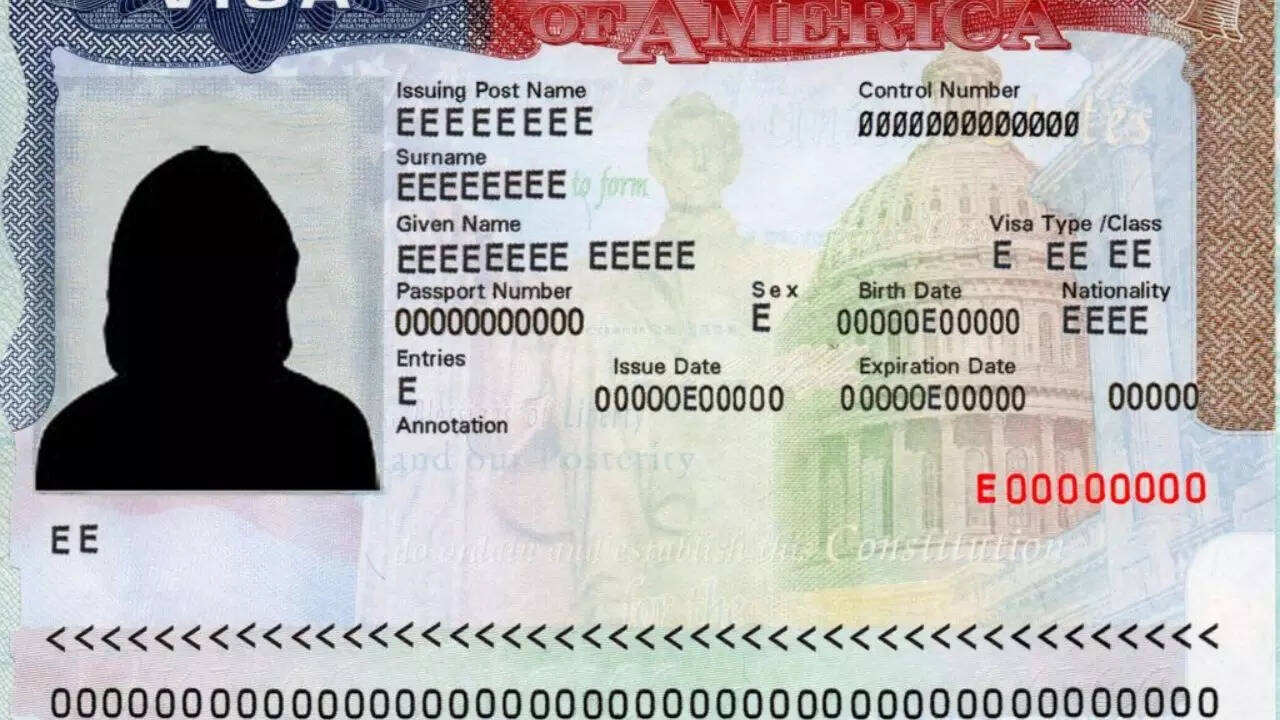
The U visa was designed with a specific, noble intent. Congress created it to protect victims of qualifying crimes who assist law enforcement, encouraging people who have been abused, robbed, or assaulted to step out of the shadows without fear of deportation. It provides a temporary legal status, a work permit, and eventually, a fragile bridge toward lawful permanent residency. It says: help us find justice, and we will offer you safety.
Yet, every legal protection creates an incentive structure. When safety becomes a scarce commodity tied strictly to the status of being a crime victim, the rules of supply and demand warp in dark, unpredictable ways.
In Columbia, South Carolina, that warped reality materialized behind the counter of a local convenience store. Birenkumar Rameshbhai Patel stood among the inventory of chips and lottery tickets, orchestrating a script born not of malice toward his community, but of a profound, calculated terror of being sent back. The plan was stark in its cynicism: a staged robbery. A simulated threat. A false police report designed to transform an ordinary store clerk into a certified crime victim on paper.
It sounds like a plot from a gritty crime drama. But behind the cold legal filings of the United States Department of Justice, this was a transaction of desperation.
Imagine walking into a store where you work long hours for cash under the table, watching friends disappear overnight in federal vans, knowing that your entire existence hangs by the slender thread of a visa status that is expiring. The fear makes people malleable. It makes them vulnerable to promises made by employers or acquaintances who whisper of secret shortcuts. For the clerk behind the counter, designated only anonymously as a case file in federal court documents, the fake crime was sold as a golden ticket.
When federal investigators from Homeland Security and local law enforcement untangled the threads, the illusion collapsed. There was no violent offender lurking in the aisles. There was only a script, a compliant store owner, and a federal conspiracy charge that carried the weight of up to ten years in prison.
Birenkumar Rameshbhai Patel pleaded guilty. The legal machinery ground forward, imposing the sober reality of federal courtrooms, potential prison time, steep fines, and supervision. And the clerk? The very person for whom the dangerous theater was enacted was ultimately deported back to India. The shortcut led straight back to where the journey started, only with broken trust and shattered futures left in its wake.
This is the hidden cost of a broken system. It turns neighbors into conspirators. It turns the promise of protection into a commodity to be faked, bought, and sold. When the legal pathways to dignity are too narrow or too blocked, people will invent their own doors—even if those doors open onto a precipice.
The neon sign outside the convenience store buzzes as night falls over South Carolina. The register keeps beeping. The underlying human struggle that birthed the conspiracy remains entirely unchanged, echoing in thousands of other quiet shops across the country where people look at the door, wonder what tomorrow brings, and calculate how much they are willing to risk for a chance to stay.