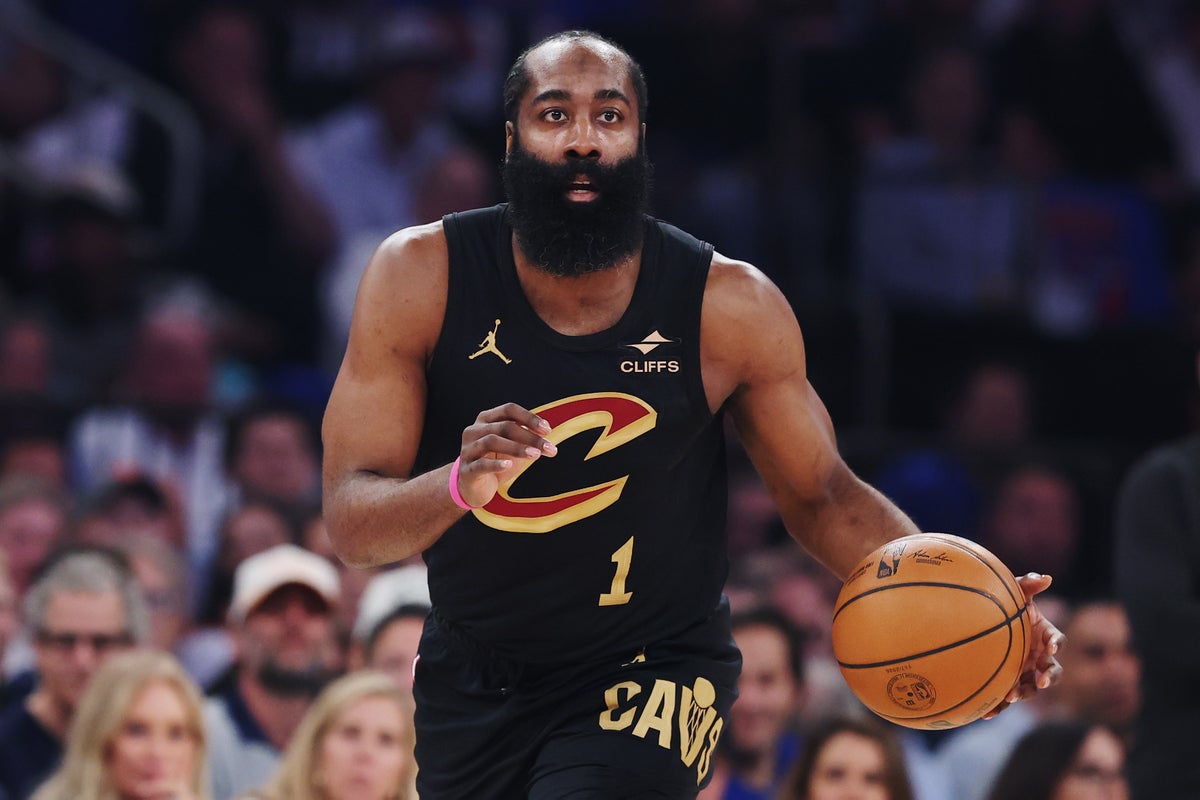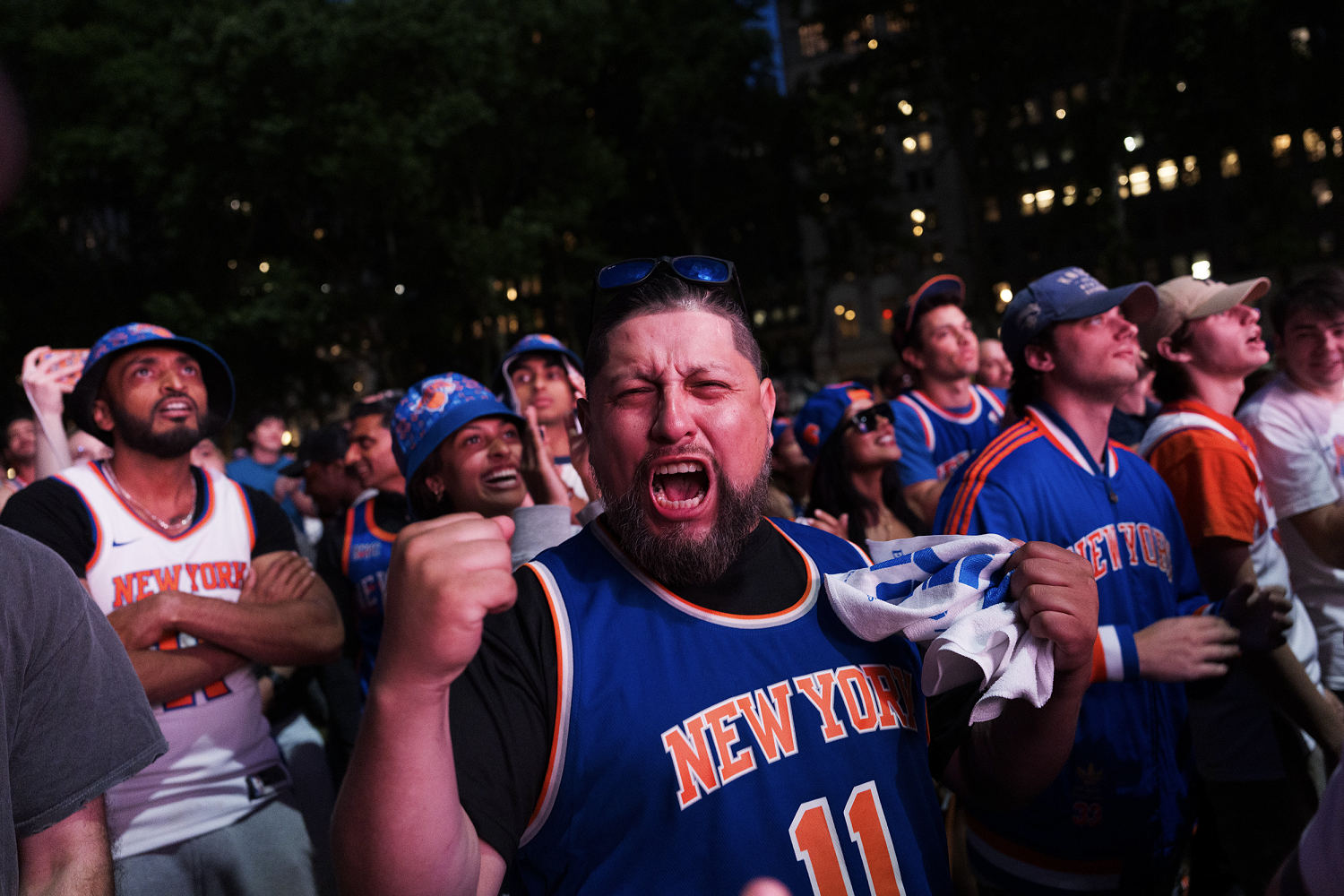
The rain outside Madison Square Garden doesn't deter them. It never does. They stand by the concrete pillars, collars turned up against the damp chill, trading stories of past glories like currency. These are the people who remember the bruised-knuckle basketball of the 1990s, the ones who stayed through the barren decades, paying exorbitant ticket prices just to witness the hope of a rebuild. For a New York Knicks fan, loyalty isn’t a casual hobby. It is a multi-generational inheritance, passed down through raspy voices and shared heartbreaks.
Then comes the magical season. The ball hops. The defense suffocates. The Knicks defy the prognosticators and march all the way to the NBA Finals.
But when the schedule drops, a silent, digital wall goes up.
Consider a hypothetical fan named Marcus. Marcus is a schoolteacher from Queens. He has saved a portion of every paycheck for three years, dreaming of the day he could watch his team play for a championship, even if it meant flying down to San Antonio for an away game where tickets might be slightly more reasonable than the astronomical prices of midtown Manhattan. He logs onto the official ticketing platform, credit card in hand, ready to bleed blue and orange in enemy territory.
He enters his billing information. He selects his seats. Then, a harsh error message flashes across his screen.
Transaction denied. Geographic restriction applied.
Because Marcus possesses a New York zip code, he is locked out. His money is no good. His decades of devotion mean nothing to an algorithm designed to keep him on the outside looking in. This isn't a glitch in the system. It is a deliberate, corporate strategy designed to manufacture a home-court advantage by weaponizing geography against the open market.
The Geography of Exclusion
The outrage standardly starts in the upper echelons of state government, but it trickles down from a very real sense of violation felt on the pavement. New York’s governor recently launched a blistering public assault on the San Antonio Spurs and Ticketmaster, accusing them of anti-competitive behavior that fundamentally alters the spirit of American sports. The mechanics of the restriction are simple yet devastatingly effective: the Spurs organization restricted ticket sales for the Finals matchups at the Frost Bank Center exclusively to residents of the local television viewing market. If your IP address or credit card billing zip code didn't register within the designated Texas boundaries, you were systematically barred from purchasing.
It is a corporate blockade dressed up as team pride.
The justification from ownership groups is always wrapped in the language of community. They claim they want to ensure true, local fans have the first opportunity to witness history. They argue that wealthy opposing fanbases shouldn't be allowed to fly in, buy up entire sections, and neutralize the home-court atmosphere that a city worked all season to build.
But look closer at the machinery of this restriction. When a monopoly like Ticketmaster enforces these geographic boundaries, they aren't protecting the local fan from corporate entities. They are protecting their own ecosystem while strangling the secondary market. If a local fan buys a ticket and realizes they cannot attend, the restrictions often prevent them from selling that ticket to an out-of-state buyer, artificially depressing the value or forcing the transaction through specific, heavily taxed internal channels.
The stadium becomes a gated community. The game ceases to be a cultural meritocracy where the loudest, most passionate fans fill the seats. Instead, it becomes a controlled television studio, engineered for optimal broadcast optics.
The Ghost in the Ticket Machinery
To understand how we arrived at a point where a fan's zip code is treated like a security threat, you have to look at the invisible architecture of modern ticketing. Decades ago, buying a ticket meant standing in a physical line or calling a box office. If you were willing to drive across state lines and camp out on a sidewalk, your effort was rewarded. The transaction was simple: cash for admission.
Today, a ticket is no longer a piece of cardboard. It is a dynamic, trackable data point.
When you purchase a digital ticket, you do not own a piece of property; you hold a revocable license controlled by a centralized database. This shift allows teams and ticketing giants to alter terms of service on a whim. They track your location, monitor your purchasing habits, and, as Knicks fans discovered, restrict your movement based on where you sleep at night.
The system relies on an uncomfortable truth that most sports enthusiasts prefer to ignore: the transition to entirely digital ticketing was never about convenience for the consumer. It was about total control over the lifecycle of a ticket. By eliminating physical tickets, teams eliminated the traditional secondary market, pulling every transaction back under a single corporate umbrella where fees can be extracted at every turn.
When the governor of New York steps to a microphone to blast this practice, it isn't just political grandstanding. It is a recognition of a dangerous precedent. If a sports team can ban citizens of a specific state from buying a ticket to a public event, what stops a concert promoter, a theater chain, or a national convention from doing the same? The balkanization of public commerce threatens the fundamental premise of an open marketplace.
The Human Cost of the Gated Arena
The stadium lights of an NBA Finals game cast a massive shadow, and inside that shadow are the stories of people who view basketball as something sacred. For many, a trip to the Finals is a bucket-list event, a pilgrimage shared between aging parents and grown children.
Imagine the conversation between a father and son who had promised each other, through the worst seasons in franchise history, that they would be there when the turning point arrived. They didn't care about the travel costs. They didn't care about the hostile arena. They wanted to breathe the air of the arena when the ball went through the net.
Instead, they are relegated to watching a screen in a living room thousands of miles away, not because they couldn't afford the price of admission, but because their ID says "New York."
This geographic gating creates a sterile environment. Part of the magic of sports history is the visual clash of fanbases in the stands—the small, raucous pockets of away fans erupting in joy amidst a sea of hostile locals. It is the defining image of sports lore. Think of the iconic photographs of historic road victories; those moments require the presence of the outsider.
By sanitizing the arena, the league risks turning its most prestigious event into a corporate seminar. The noise meters on the jumbotron become artificial replacements for genuine, organic fan tension. The atmosphere becomes predictable, manufactured, and ultimately, dull.
The Legal and Ethical Battleground
The argument boiling over between state officials and corporate entities sits squarely on the line between private property rights and consumer protection laws. A sports franchise is a private business, yes, but they play in arenas funded heavily by public tax dollars, operating under antitrust exemptions and regional monopolies granted by the public.
When those entities turn around and discriminate against a segment of the public based purely on state residency, the legal ground begins to shift.
New York's leadership argues that this practice violates basic interstate commerce principles. It restricts the economic freedom of consumers and unfairly targets citizens based on geography. The counter-argument from the ticketing platforms is always framed around preventing scalping and protecting local access, yet the secondary ticket prices on restricted games often skyrocket anyway, proving that the algorithm fails to stop exploitation—it merely dictates who gets to profit from it.
The confusion for the average consumer is palpable. The ticketing ecosystem has become so complex, so layered with hidden fees, dynamic pricing algorithms, and geographic restrictions, that simply trying to buy a seat feels like navigating a legal minefield. The system is designed to weary the consumer into submission, forcing them to accept whatever terms, prices, and restrictions the monopoly dictates.
The Long Road to the Final Buzzer
The immediate result of the corporate lockout is a fractured fanbase and a bitter taste that lingers long after the champion is crowned. The Knicks fans who were barred from the arena will watch from afar, their passion undiminished but their trust profoundly shaken. They will scream at their televisions, knowing that their voices should have been bouncing off the rafters of the arena in Texas.
The sun begins to set over the Manhattan skyline, painting the concrete in shades of deep amber and purple. Inside a sports bar a few blocks from the Garden, the television screens flicker with the pre-game hype packages. The commentators talk about matchups, strategies, and the intense energy of the local crowd in San Antonio.
On the bar counter sits a smartphone. Open on the screen is an app displaying a rejected purchase order, a digital refusal of service based on a zip code. The man sitting in front of it doesn't look at the screen anymore. He watches the television, his hands folded, waiting for the tip-off, an exile in his own sporting world, watching a game that decided his passion was welcome, but his presence was a liability.