The fluorescent hum of a gas station at 6:00 AM used to be a background noise, a minor chord in the symphony of a morning commute. Now, it sounds like a countdown.
Elena stands at pump number four in a suburb outside of Des Moines, watching the red numbers on the digital display spin with a speed that feels predatory. She remembers when forty dollars filled the tank of her SUV and left enough over for a decent lunch. Today, forty dollars barely moves the needle past the halfway mark. She clicks the nozzle shut, staring at the total. It’s a small, sharp heart attack in plastic and LED light.
This isn't just about oil. It’s about the tightening knot in the stomach of every American who realizes that a conflict thousands of miles away in the Persian Gulf has crawled into their bank account and started making demands.
The Invisible Guest at the Dinner Table
When the news cycle vibrates with talk of escalating tensions with Iran, the rhetoric is often grand. Generals talk about carrier strike groups. Politicians talk about "maximum pressure" and "strategic redlines." But for people like Elena, those redlines are drawn across her monthly budget.
The latest polling data reflects a cold, hard shift in the American psyche. Approval ratings for the Trump administration haven't just dipped; they have cratered to record lows. The reason is simple. People can forgive a lot of things, but they cannot forgive the feeling of being squeezed. When the drums of war beat, the first casualty isn't always on the battlefield. Sometimes, it’s the sense of security at the kitchen table.
Consider the ripple effect. It begins at the Strait of Hormuz, a narrow choke point where a significant portion of the world's oil passes through. A single skirmish there—a downed drone, a seized tanker—acts like a stone thrown into a still pond. The ripples move fast. Crude oil prices spike on the global market. Within days, the local distributor raises the price for the station owner. By the weekend, Elena is paying an extra twelve cents per gallon.
But it doesn't stop at the pump.
The truck that delivers the eggs to Elena’s grocery store now costs more to fuel. The plastic packaging for her detergent, derived from petroleum, becomes more expensive to manufacture. Suddenly, the "cost of living" isn't an abstract statistic from the Bureau of Labor Statistics. It is the reason she puts the name-brand cereal back on the shelf and reaches for the generic bag.
The Fragility of the Strongman Image
For years, the political narrative surrounding the administration was built on the bedrock of a "booming economy." It was the ultimate shield. No matter the controversy, the response was always: Look at your 401(k). Look at the unemployment rate.
That shield is cracking.
The irony of the current crisis is that the very "toughness" intended to project American strength is the specific ingredient causing domestic instability. By leaning into a hot-war footing with Tehran, the administration has introduced a level of volatility that the average consumer can't absorb. Wall Street hates uncertainty, but Main Street fears it.
When people look at the White House now, they don't see a master negotiator. They see a gardener who accidentally set the hedge on fire and is now surprised that the heat is cracking the windows of the house. The record-low approval ratings aren't just a sign of partisan disagreement. They are a vote of "no confidence" from a public that feels the wheels are coming off the wagon.
The Hypothetical House of Cards
To understand why this feels so visceral, let’s look at a hypothetical family: the Millers.
The Millers aren't political junkies. They don't spend their evenings scrolling through foreign policy white papers. They are "swing voters" in every sense of the word. In 2016, they took a chance because they wanted a disruption of the status quo. They wanted someone who would run the country like a business.
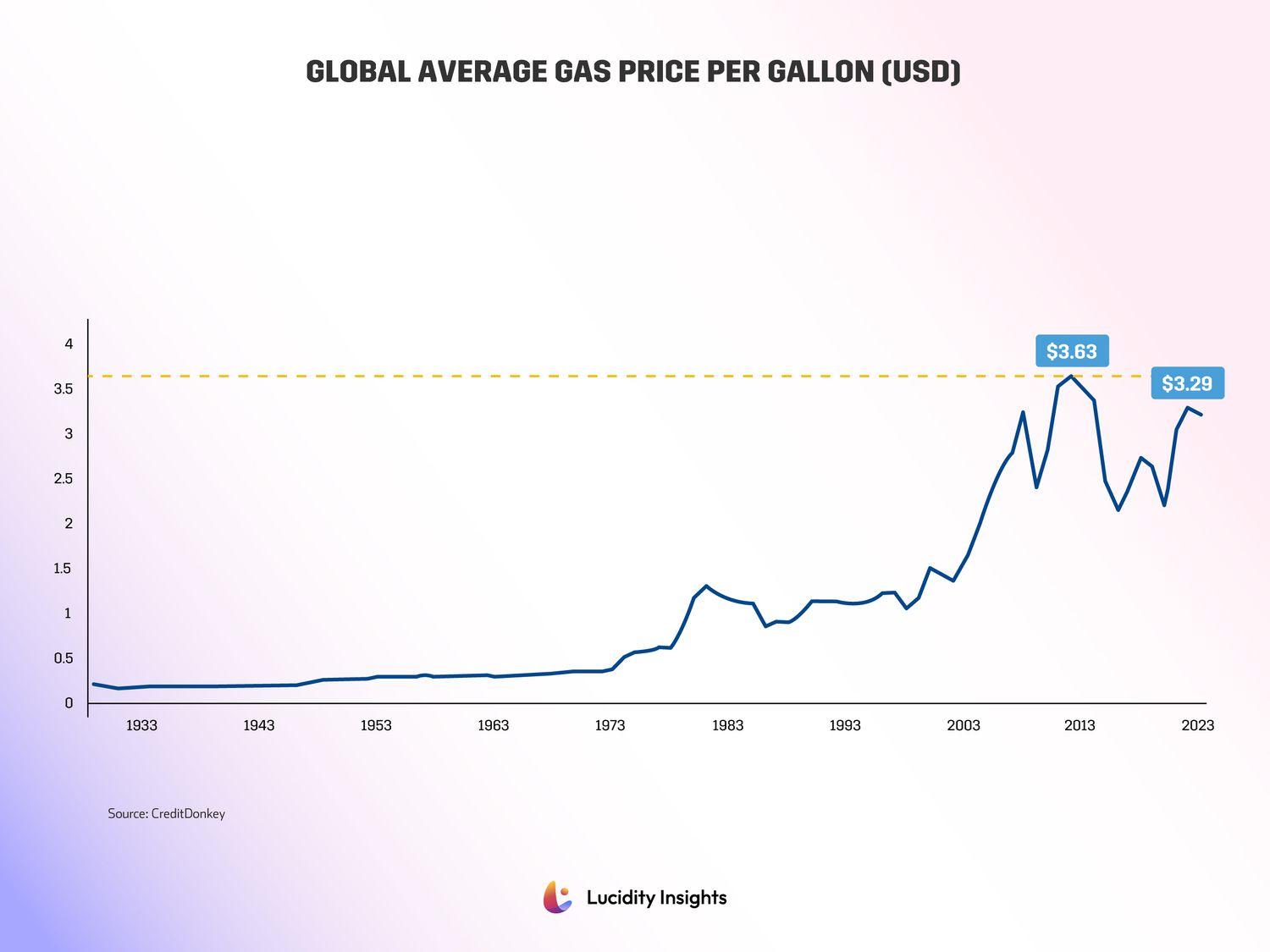
Now, imagine the Millers looking at their year-end finances. Their wages have remained largely stagnant, but their outgoings have ballooned. The cost of heating their home through a cold winter has jumped 15% due to energy market fluctuations. Their health insurance premiums are up. And now, the specter of a prolonged Middle Eastern conflict threatens to send gas prices toward four dollars a gallon.
To the Millers, the "business" of the country looks like it’s being managed by someone who doesn't understand the overhead.
They hear the administration blame Iran for every ill. They hear the talk of "defending interests." But they look at their own interests—the mortgage, the car payment, the kids' shoes—and they see a disconnect. They realize that a war with Iran isn't an isolated event. It is a tax. A heavy, unpredictable, and unvoted-for tax on every working family in the nation.
The Psychology of the Squeeze
Economists talk about "consumer confidence" as if it’s a weather pattern, something that just happens. In reality, it’s an emotional state. It’s the belief that tomorrow will be at least as stable as today.
When war enters the equation, that stability vanishes.
Historically, American presidents have always struggled during periods of high energy costs. Jimmy Carter wasn't just undone by the hostage crisis; he was undone by the lines at the gas stations. George W. Bush saw his popularity evaporate as the Iraq War dragged on and the economy buckled under the weight of debt and rising costs.
The current administration is hitting that same wall, but with a unique twist. Because the President has tied his entire identity to the health of the economy, any downturn feels like a personal failure of the brand. If you tell everyone you’re a genius because the sun is out, you can’t act surprised when they blame you for the rain.
The war rhetoric serves as a giant magnifying glass, focusing the heat of every economic grievance onto a single point: the Oval Office. People who were willing to overlook the tweets and the rallies are finding it much harder to overlook the fact that they are essentially working one week out of every month just to pay for the privilege of driving to work.
Beyond the Barrel
The fatigue is setting in. It’s a bone-deep weariness that comes from living in a state of permanent crisis.
We are told that the world is a dangerous place and that only a show of force can keep us safe. But as the cost of living climbs, the definition of "safety" begins to change. Is Elena safe if her country has the most powerful military on earth, but she can't afford the medication for her daughter because the supply chain costs have spiked? Is a country "strong" if its citizens are one geopolitical misstep away from a financial collapse?
The polls are telling a story that the administration doesn't want to hear. It’s a story about the limits of bellicose rhetoric. You can wave a flag, and you can shout about enemies, but eventually, you have to come home. You have to open the mail. You have to look at the balance in the checking account.
The record-low approval rating is the sound of the American public exhaling. It is the realization that the "war" isn't just happening over there. It is happening in the aisles of the grocery store. It is happening at the pharmacy counter. It is happening every time a citizen looks at a leader and asks, "What is this for?"
Elena gets back into her SUV. She checks her mirrors and pulls out of the gas station. She has to drive another twenty miles to reach the office. As she merges onto the highway, she doesn't think about the geopolitical balance of power in the Middle East. She doesn't think about the technical specifications of a Tomahawk missile.
She thinks about the twenty dollars she has left for the week. She thinks about the light on the dashboard that she hopes won't come on. She thinks about the fact that she is tired of paying for a fire she didn't start.
The road ahead is long, and the sun is just starting to hit the pavement, casting long, distorted shadows that make everything look bigger and more threatening than it actually is.
But the price on the sign behind her remains, glowing in the rearview mirror, a bright red reminder that some debts can never be paid in full.
The numbers on the display finally stop spinning, but the cost continues to climb, silent and invisible, into the morning air.