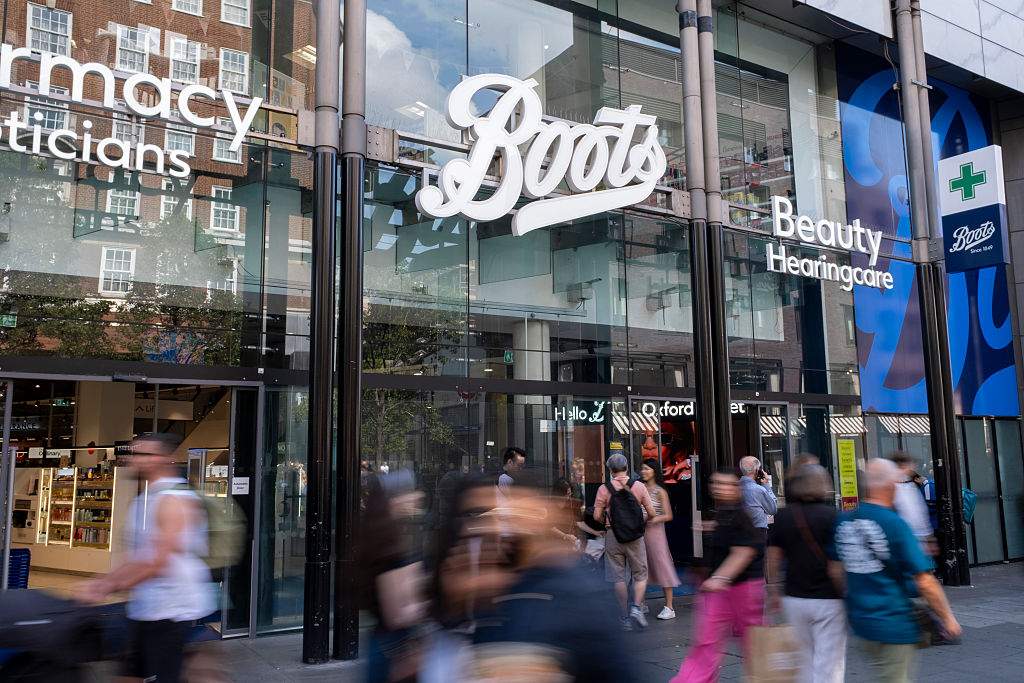
Walk down any historic high street across the United Kingdom, through the sudden chill of a drizzling afternoon or the bright, flat glare of a summer Saturday, and you will find a familiar red-and-white sign. For generations, that sign has meant something remarkably simple. It meant a packet of throat lozenges when your voice cracked before a presentation. It meant a quick check of your blood pressure while waiting for a prescription. It meant the quiet, steady hum of commerce that outlasted recessions, fashion shifts, and the rise of digital screens.
That sign belongs to Boots.
And now, the entity guarding that sign is changing hands in an eight-billion-dollar transaction that feels less like a corporate spreadsheet entry and more like a changing of the guard at a national institution.
The Weston family, through their investment vehicle George Weston Limited and partnership vehicles, has positioned themselves to steer a retail giant that sits squarely at the intersection of British daily life and healthcare logistics. To understand why this deal matters—why it makes waves far beyond the glass-walled boardrooms of Toronto and London—you have to look beyond the headline figure of 8.9 billion dollars. You have to look at the ordinary Tuesday morning of an average citizen.
Imagine Arthur, seventy-two years old, living in a terrace house with drafty windows in Nottingham. Every month, Arthur makes the slow trek to his local chemist. He knows the pharmacist by name. He knows the exact weight of the glass door as it swings open. To Arthur, Boots is not a subsidiary of an international conglomerate. It is a lifeline, a familiar face in an increasingly bewildering digital world.
When a multi-billion-dollar acquisition happens at this scale, the immediate question in places like Arthur's kitchen is simple, even if it is rarely spoken aloud: Will anything change?
To answer that, we have to examine who is holding the pen. The Weston dynasty is no stranger to the rhythms of British commerce. Their fingerprints are already deeply embedded in the consumer psyche through businesses like Primark and Associated British Foods. They understand the grueling mechanics of high-street retail, where margins are razor-thin and success relies entirely on getting millions of small, mundane transactions right every single day.
For Walgreens Boots Alliance, the American parent company that put the venerable British chain on the auction block, the divestment represents a strategic retreat. Years of trying to marry an aggressive U.S. drugstore model with a quintessentially British healthcare institution yielded mixed results. The synergy looked brilliant on paper in Chicago, but retail is lived on the ground. It is about the smell of floor wax, the crisp rustle of paper bags, and the trust between a community and the person behind the counter.
The numbers behind the deal are staggering, yet they obscure the human drama. Eight point nine billion dollars is not just money; it is a massive bet on the resilience of physical retail in a post-pandemic, inflation-battered economy. It is a wager that the British high street is not dying, but merely evolving.
Consider what happens when a private family office with deep historical roots takes the helm instead of a sprawling, publicly traded multinational chasing quarterly earnings spikes. There is often a longer horizon. There is room for patience. Or, at least, that is the hope of the thousands of employees whose livelihoods are tied up in the stockrooms and checkout lines from Cornwall to the Scottish Highlands.
Retail analysts will point to supply chain efficiencies, digital integration, and the modernization of beauty counters. They will talk about EBITDA margins and debt financing structures. But talk to a store manager who has spent twenty-five years watching the community change outside their window, and the conversation shifts entirely. They will tell you about morale. They will tell you about whether the new bosses understand why the Christmas display goes up in October, or why customers still prefer a human voice over an automated kiosk when they are worried about a new medication.
This is the invisible tension of modern capitalism. Scale demands standardization. Humanity demands localism. When you acquire a network of over two thousand stores—spanning tiny rural outposts to massive flagship locations—you are buying a living organism. You cannot simply rewrite its DNA with a software update.
The Weston family inherits a legacy that stretches back to the nineteenth century, when Jesse Boot first transformed the way medicines were sold in Britain, cutting out the middlemen and making healthcare accessible to the working class. That populist ethos is baked into the brand's identity. If the new owners lose sight of that foundational promise, no amount of financial restructuring will save them from the quiet rebellion of lost foot traffic.
Yet, there is genuine opportunity here. The modern high street is desperate for reinvention. As traditional clothing retailers struggle and grocers grapple with shifting consumer habits, pharmacies have an opening to become true community health hubs. Imagine spaces designed not just to dispense pills, but to offer preventative care, mental health support, and localized wellness consultations that relieve the staggering weight currently crushing the National Health Service.
Whether the new ownership has the vision and the stomach for that kind of deep transformation remains to be seen. Corporate transitions of this magnitude do not happen overnight. They roll out in boardrooms first, then in memo lines, and finally, months later, in the subtle shift of a price tag or the redesign of an aisle layout.
For now, Arthur will still walk down to his local chemist on Tuesday morning. The door will still swing open with the same familiar weight. The pharmacist will still check his prescription with the same practiced care.
Outside, the rain will keep falling on the British high street. But beneath the surface, the tectonic plates have shifted, setting the stage for the next chapter in the long, complicated story of how a nation buys its health and its daily comforts.