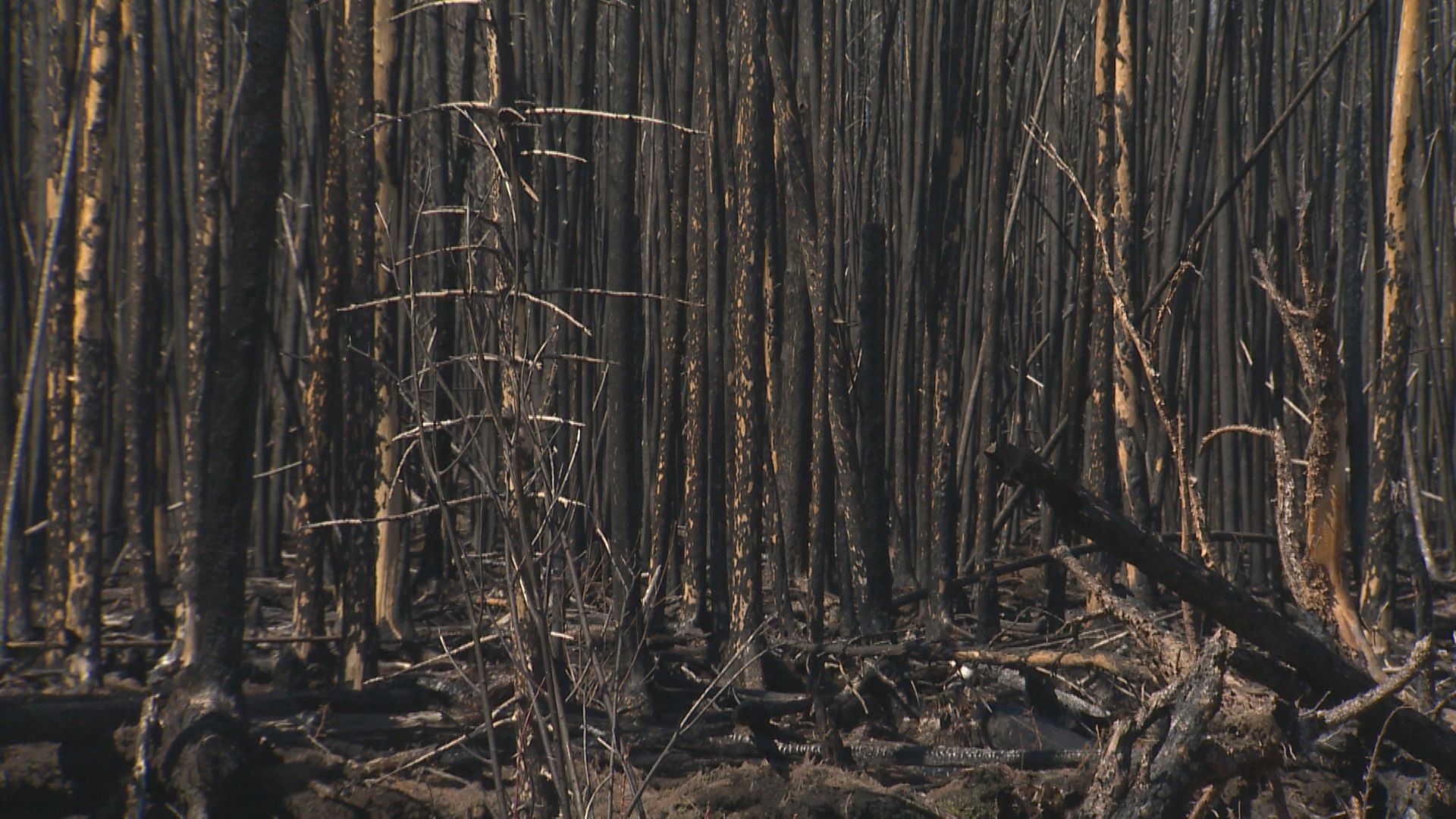
The recovery of a boreal ecosystem following a high-intensity wildfire is not a return to a previous state but a forced transition into a new successional phase defined by nutrient cycling volatility and the immediate loss of natural capital. When the 2021 wildfires impacted Nopiming Provincial Park, the resulting damage created a decade-long deficit in "wilderness utility"—the specific value derived by human stakeholders from intact old-growth forests and predictable access routes. One year after the event, the focus remains incorrectly fixed on the visual "blackening" of the woods, while the actual crisis lies in the structural degradation of the soil profile and the long-term disruption of the regional tourism supply chain.
The Triad of Boreal Post Fire Disturbance
To understand why Nopiming cannot simply "reopen" in a meaningful sense, one must analyze the three distinct layers of impact that dictate the park’s operational viability.
- The Pedological Disruption: High-intensity fires do more than burn biomass; they alter soil chemistry. The combustion of the organic "duff" layer—the sponge-like floor of the boreal forest—exposes the mineral soil beneath. This leads to increased runoff, as the natural water retention capacity is neutralized. For Nopiming, a park defined by its water-access routes and portages, this creates a hydrological instability that persists for years.
- The Dendrological Hazard Cycle: Dead standing timber, or "snags," represent a continuous liability. Unlike a fallen tree that blocks a trail once, a standing burned tree is a dynamic hazard. It may remain upright for three years or fall during the first high-wind event of the season. The cost of clearing these hazards is not a one-time capital expenditure but a recurring operational drain on park resources.
- The Biotic Reordering: The shift from coniferous dominance (spruce and pine) to deciduous pioneers (aspen and birch) fundamentally changes the habitat. While this is a natural cycle, it creates a temporary "biological desert" for specific species that travelers expect to see, such as woodland caribou, which rely on the slow-growing lichen found in unburned, mature stands.
The Economic Elasticity of Northern Tourism
Nopiming’s value proposition is built on the concept of "unspoiled" wilderness. In the logic of regional economics, this is a non-fungible asset. If a traveler seeks a pristine lake-land experience and finds a scorched landscape with restricted access, the substitution effect takes hold. They do not wait for the park to heal; they reallocate their capital to alternative jurisdictions like the Whiteshell or Ontario’s provincial parks.
The "one year later" milestone marks a critical inflection point where temporary closures risk becoming permanent shifts in consumer behavior. The park’s infrastructure, specifically the PR 314 corridor and the many backcountry campsites, functions as a delivery system for this wilderness experience. When the delivery system is compromised, the economic multiplier for local outfitters and surrounding communities—Manigotagan, Bissett, and Lac du Bonnet—contracts sharply.
Logistical Bottlenecks and Infrastructure Decay
The primary friction point in Nopiming’s recovery is the stability of the road network. Boreal fires often burn hot enough to compromise the integrity of culverts and the underlying roadbed materials.
- Thermal Erosion: The removal of the canopy increases the solar radiation hitting the ground, which can lead to localized permafrost melting or shifts in the frost heave cycle of gravel roads.
- Siltation and Drainage: Without vegetation to anchor the soil, every rain event carries sediment into the drainage ditches. This necessitates a more aggressive maintenance schedule that the Manitoba provincial budget rarely accounts for in its baseline allocations.
- Bridge Vulnerability: Wooden bridge components or those with older structural steel can suffer micro-fractures from the heat, requiring rigorous engineering inspections that delay the reopening of remote sectors.
Modeling the Succession Curve
The recovery of Nopiming follows a predictable but slow biological timeline. The first year is dominated by the "Flush of Fireweeds," where opportunistic species capitalize on the sudden influx of potassium and phosphorus in the ash. While visually green, this stage offers zero structural support for the park's human-use infrastructure.
Between years three and seven, the jack pine seeds, which require the heat of fire to open their serotinous cones, begin to take hold. This is the "Thicket Phase." For the hiker or canoeist, this is the most difficult period. The forest becomes an impenetrable wall of young saplings, often growing at a density of thousands per acre. The open-floor aesthetic of the old-growth forest is gone, replaced by a dense, competitive environment that makes off-trail travel impossible and obscures the scenic vistas that drive the park's "scenic value" metric.
The Management Paradox: Intervention vs. Observation
The Manitoba government faces a strategic dilemma: do they spend millions to artificially accelerate the recovery of a natural process, or do they allow the ecosystem to dictate the timeline at the cost of the local economy?
A policy of Passive Restoration assumes the forest knows best. It involves minimal clearing and letting the burnt timber fall where it may. This is the cheapest option but results in the longest period of closure for public use.
Active Mitigation, conversely, involves aggressive snag clearing, reforestation efforts, and the hardening of infrastructure against future events. This requires a significant front-loading of capital. The failure to choose a definitive path leads to the "Linger Effect"—a state of perpetual semi-closure where trails are technically open but functionally unusable or unsafe, leading to a slow erosion of the brand equity of the provincial park system.
The Latent Risk of Re-burn
A factor often ignored in "one year later" assessments is the increased risk of a secondary fire. The dead timber from the 2021 fire represents a massive increase in the fuel load once those trees fall and dry out. This "jackstraw" timber creates a high-intensity fuel bed that, if ignited five to ten years from now, could burn even hotter than the original fire, potentially sterilizing the soil and preventing any future regrowth for decades.
This creates a "Fire Debt" that must be managed through controlled burns or mechanical fuel reduction. Without these interventions, the 2021 fire was not an ending, but the start of a dangerous feedback loop.
Strategic Realignment for Stakeholders
The recovery of Nopiming requires a shift from a reactive "emergency response" mindset to a "resilient asset management" framework.
Stakeholders must prioritize the stabilization of the PR 314 corridor as the primary artery of the park. This is the single point of failure; if the road is unreliable, the entire park is economically dead. Secondarily, a "Zoned Recovery" model should be implemented, where specific high-traffic lake chains are aggressively cleared and maintained to provide a "Minimum Viable Wilderness" experience, while the deep backcountry is left to natural successional cycles. This concentrates limited maintenance budgets where they generate the highest return on human utility.
The long-term viability of the park depends on the recognition that a burnt forest is not a broken forest, but it is a broken economic product. Until the provincial management strategy accounts for the specific physics of post-fire boreal terrain, the "lingering impact" will continue to be a drain on the region’s potential rather than a transition to a new, managed ecological state.