The sudden death of Senator Lindsey Graham from cardiac arrest at age 71 has triggered a profound bipartisan shockwave in Washington, stripping the Republican party of its most effective backchannel operator and throwing the Senate into a high-stakes scramble for power. While the immediate public response is marked by predictable, somber statements of condolence from both sides of the aisle, the private reality across Capitol Hill is one of raw political recalculation. Graham died just hours after returning from his tenth wartime trip to Ukraine, leaving behind a major unpassed sanctions bill and an open Senate seat in South Carolina that upends the balance of power ahead of the November elections.
Behind the formal tributes lies a harsher truth. Washington has lost its premier political shape-shifter, a lawmaker who managed the near-impossible feat of staying anchored to traditional, hawkish internationalism while maintaining absolute access to the nationalist core of the modern Republican party. His absence leaves a void that no single figure can easily fill.
The Sudden Silence of Washington's Ultimate Power Broker
He was tired. That was the last thing Lindsey Graham told Donald Trump during a phone call on Saturday evening, July 11, shortly after the senator touched down from a grueling trip to Kyiv. Hours later, emergency medical personnel were administering CPR on a wheeled stretcher outside his Capitol Hill home. The official announcement from his office cited a brief and sudden illness, which medical emergency logs later clarified as a fatal cardiac arrest.
His death occurred at the peak of his influence. He had just spent days in Ukraine, locking down the final details of a bipartisan legislative package aimed at strangling Russian energy revenues. He was scheduled to appear on national television the following morning to announce that the White House had finally given the green light to move forward. Instead, the Sunday morning news cycles were dominated by historical retrospectives and sudden re-evaluations of a thirty-year congressional career.
The shock was tangible on both ends of Pennsylvania Avenue. For the executive branch, Graham was a vital release valve. When disagreements between the populist wing of the party and institutional Republicans threatened to paralyze the legislative process, it was Graham who frequently mediated the dispute over a round of golf. He possessed a rare capacity to translate establishment policy into terms that appealed to a populist president, serving as an unofficial interpreter for an administration that deeply distrusted traditional Washington insiders.
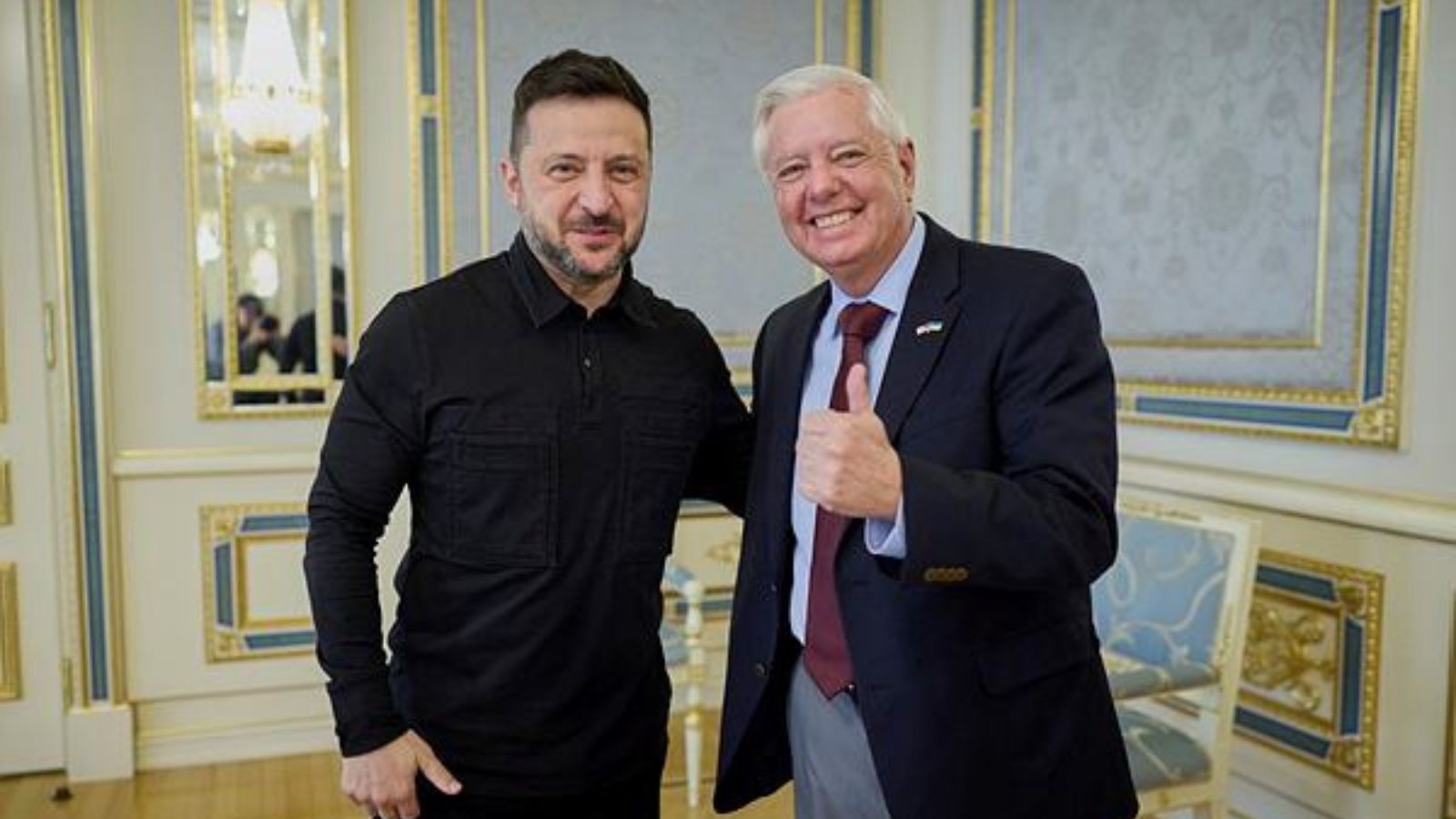
Without that translation mechanism, the machinery of governance becomes significantly more friction-prone. The immediate response from world leaders underscored how deeply Graham had woven himself into the fabric of global security. Israeli Prime Minister Benjamin Netanyahu lamented the loss of one of Israel’s most fierce defenders, while Ukrainian President Volodymyr Zelenskyy openly mourned the passing of a statesman who had stood in Kyiv during the darkest hours of the Russian invasion. These foreign leaders understood what Washington is currently forced to confront. Graham’s hawkish ideology was the last sturdy bridge connecting the old guard of American foreign policy with the new isolationist reality.
The Maverick Transformation That Confounded the Capital
To understand the vacuum left by Graham’s death, one must examine the extraordinary reinvention that defined his later career. He was once the loyal co-pilot to the late Senator John McCain. Together with independent Senator Joe Lieberman, they traveled the globe as a self-styled band of ideological brothers, advocating for the aggressive deployment of American power abroad and routinely bucking their own party leadership on domestic compromises.
Then the political ground shifted beneath them. During the 2016 primary campaign, Graham was one of the most blistering critics of the insurgent populist movement. He famously branded the future president a race-baiting bigot and warned that nominating him would lead to the destruction of the Republican party.
Most politicians who took that stand were systematically driven out of public life. Graham chose a different path. Rather than retreating into retirement or becoming a permanent resident of the cable news opposition, he executed a calculated pivot toward cooperation. He defended the administration during two fierce impeachment battles, guided conservative judicial nominees through treacherous confirmation hearings, and transformed himself into a constant presence at Mar-a-Lago.
Critics viewed this turnabout as pure opportunism. They saw a man who had abandoned his core principles to maintain his proximity to power. Graham offered a far more pragmatic explanation to those within his inner circle. He argued that an effective senator has a fundamental obligation to work with the administration in office, and that a lawmaker could exercise far more influence as a constructive ally than as a toothless outsider.
This approach yielded undeniable results. By embedding himself within the inner circle of the executive branch, Graham managed to protect key internationalist priorities that the populist wing wanted to dismantle. He consistently secured funding for foreign aid, maintained pressure on adversaries in the Middle East, and kept the United States deeply committed to the defense of Eastern Europe. It was a high-wire act that required immense tactical skill, a thick skin, and a willingness to tolerate fierce criticism from his former allies.
The Orphaned Legislative Deal on Russia and Oil
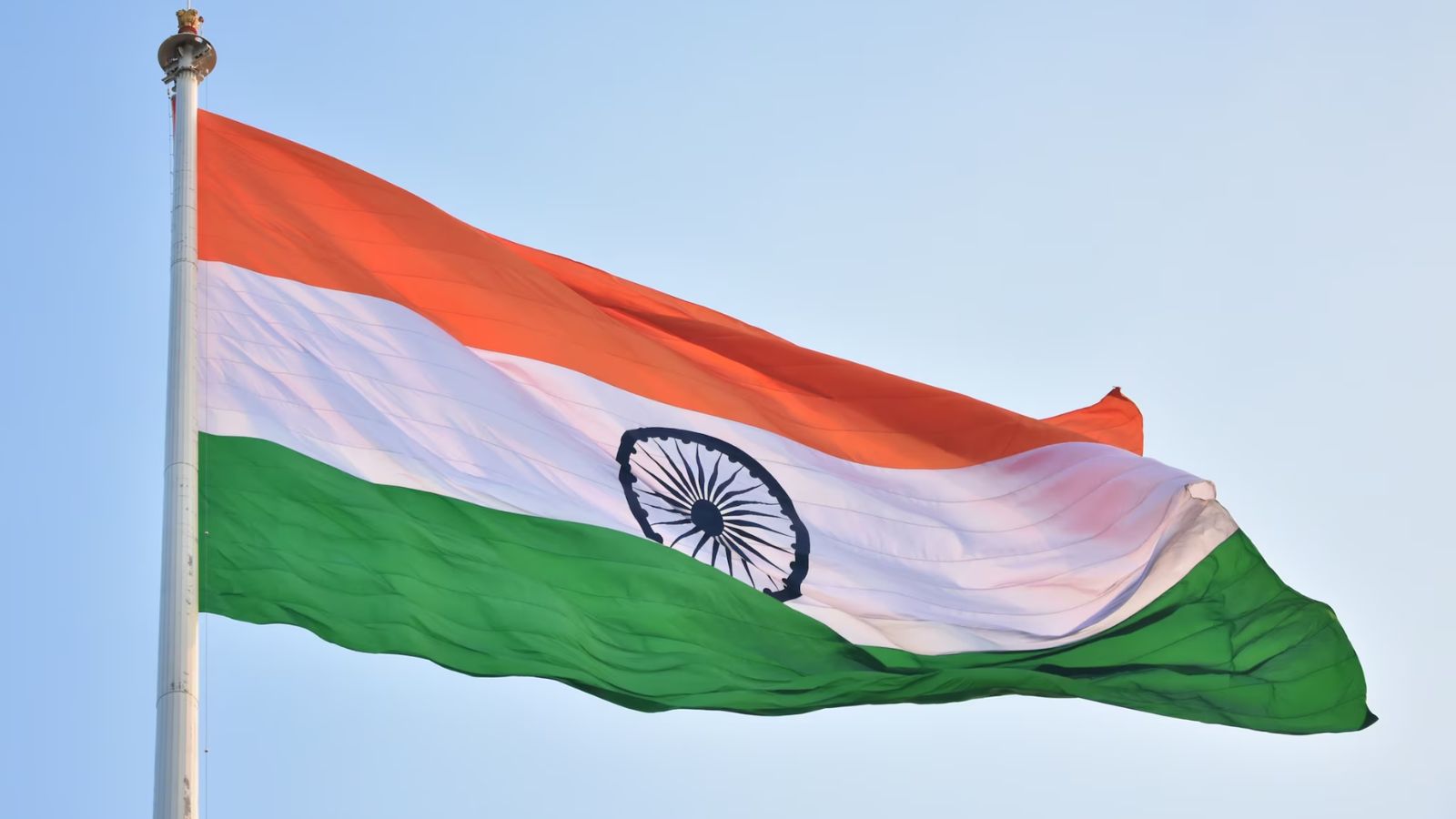
The most immediate casualty of Graham’s death is the ambitious bipartisan sanctions bill he was aggressively pushing at the moment of his cardiac arrest. For months, Graham had been working in close alignment with Democratic Senator Richard Blumenthal of Connecticut on a plan to impose severe financial penalties on international buyers of Russian oil. The goal was to force countries like India and China to choose between cheap Russian crude and access to the American financial system.
Just twenty-four hours before his death, Graham was jubilant. In phone conversations from Kyiv, he stated that the White House had finally dropped its long-standing reservations about the bill, clearing a path for a vote before the autumn recess. He believed the legislation would command upwards of eighty votes in the Senate, serving as a powerful demonstration of American resolve.
Now, that deal is in jeopardy. The legislation has lost its chief Republican salesman. Without Graham’s unique ability to reassure skeptical conservatives that the bill was aligned with an America First agenda, the coalition he built is highly vulnerable to fragmentation. Traditional isolationists within the party are already raising concerns about the potential economic blowback of the sanctions, arguing that aggressive secondary penalties could spike domestic energy prices right before the midterms.
Blumenthal now faces the daunting task of finding a new Republican co-sponsor who possesses both the foreign policy credentials to defend the bill and the political capital to shield it from partisan attacks. It will not be an easy search. The current Senate Republican conference is deeply divided between traditional national security hawks and a rising generation of populists who are highly skeptical of foreign entanglements. Graham was the only figure who could command authority in both camps. His death leaves the bill orphaned at the exact moment it was poised for passage.
The South Carolina Succession Scramble
The institutional crisis triggered by Graham’s death extends far beyond the legislative calendar. It immediately alters the math of the United States Senate, where Republicans currently hold a narrow 53-47 majority. Because Graham’s seat was already scheduled to be on the ballot this November, his sudden passing creates a complicated two-step succession process that will test the unity of the South Carolina Republican establishment.
Under state law, Governor Henry McMaster has the authority to appoint an interim senator to fill the seat until a permanent successor can take the oath of office in January. McMaster, a steady institutionalist, is expected to move quickly to ensure that South Carolina retains its full representation during a chaotic summer session. The interim appointment, however, is merely a short-term fix.
The real battle will center on the November ballot. Because Graham had already secured the Republican nomination for a fifth term, the state party executive committee must navigate an unprecedented legal and political landscape to select a replacement nominee. The scramble for the nomination began in earnest within hours of the confirmation of Graham’s death, as various factions within the state party began mobilizing behind their preferred candidates.
| Potential Succession Candidates | Current Position | Political Alignment |
|---|---|---|
| Nancy Mace | U.S. Representative | Populist-leaning independent |
| William Timmons | U.S. Representative | Traditional conservative |
| Alan Wilson | State Attorney General | Establishment conservative |
| Trey Gowdy | Former U.S. Representative | Institutionalist commentator |
The selection process will serve as a critical proxy fight for the future direction of the conservative movement in the South. One faction will push for an establishment conservative who will continue Graham’s legacy of robust defense spending and active global engagement. Another, highly vocal faction will demand a candidate who aligns completely with the populist, non-interventionist wing of the party.
South Carolina has long been the crucible of modern Republican politics. The primary battles fought within its borders routinely dictate the ideological trajectory of the national party. The fight to fill Graham’s seat will be no exception, and it will take place under an intense national spotlight with the control of the Senate hanging in the balance.
The End of the Dealmaking Era
The bipartisan condolences that followed the news of Graham's passing were more than just standard senatorial courtesy. They reflected a genuine acknowledgment that an entire style of congressional governance may have died along with him. Graham belonged to a dwindling cohort of lawmakers who viewed regular order, committee work, and across-the-aisle relationships not as signs of weakness, but as the core mechanics of political power.
He was a creature of the Senate cloakroom. He delighted in the performative theater of televised hearings, but he did his real work in quiet corners, trading votes, modifying text, and finding small areas of common ground that allowed both parties to claim a measure of victory. He maintained open lines of communication with Democratic leadership even during the most polarizing national debates, frequently serving as the final point of contact for judges and cabinet officials seeking confirmation.
The younger generation of lawmakers entering the Capitol looks at the political world through a fundamentally different lens. For many of them, compromise is viewed as a form of ideological betrayal, and legislative success is measured more by media engagement and fundraising metrics than by bills passed into law. They have little interest in the painstaking, often tedious work of building durable legislative coalitions.
This generational shift ensures that the vacuum left by Graham will remain empty. There is no obvious successor waiting in the wings to take over his role as the essential intermediary of the Senate. The institutional knowledge he possessed, accumulated over three decades of service in both chambers of Congress, cannot be easily replicated.
Washington now enters a period of profound uncertainty. The immediate legislative battles over foreign aid, judicial confirmations, and federal spending will proceed without the guiding hand of the Senate's most adroit strategist. The flags flying at half-staff over the Capitol are a tribute to a long career, but they also mark the definitive conclusion of an era of political dealmaking that the American capital may never see again.