The recent firestorm surrounding Richard Tice’s suggestion that the public should simply "enjoy" the current extreme heat is less about a single offhand remark and more about a fundamental misalignment between political rhetoric and the visceral reality of a changing climate. As wildfires tear through rural stretches and urban centers, the demand from Labour for an apology highlights a deepening chasm in how British leadership views the environmental instability currently straining the nation’s infrastructure and emergency services.
When a politician tells the public to embrace higher temperatures as a catalyst for better English wine, they are engaging in a specific form of political performance. It is a calculated dismissal of the economic and social volatility that comes with a destabilized environment. For the firefighters currently operating on exhausted shifts, the "upsides" of a warmer climate are measured in hectares of scorched scrubland and the terrifying logistical reality of containment in record temperatures.
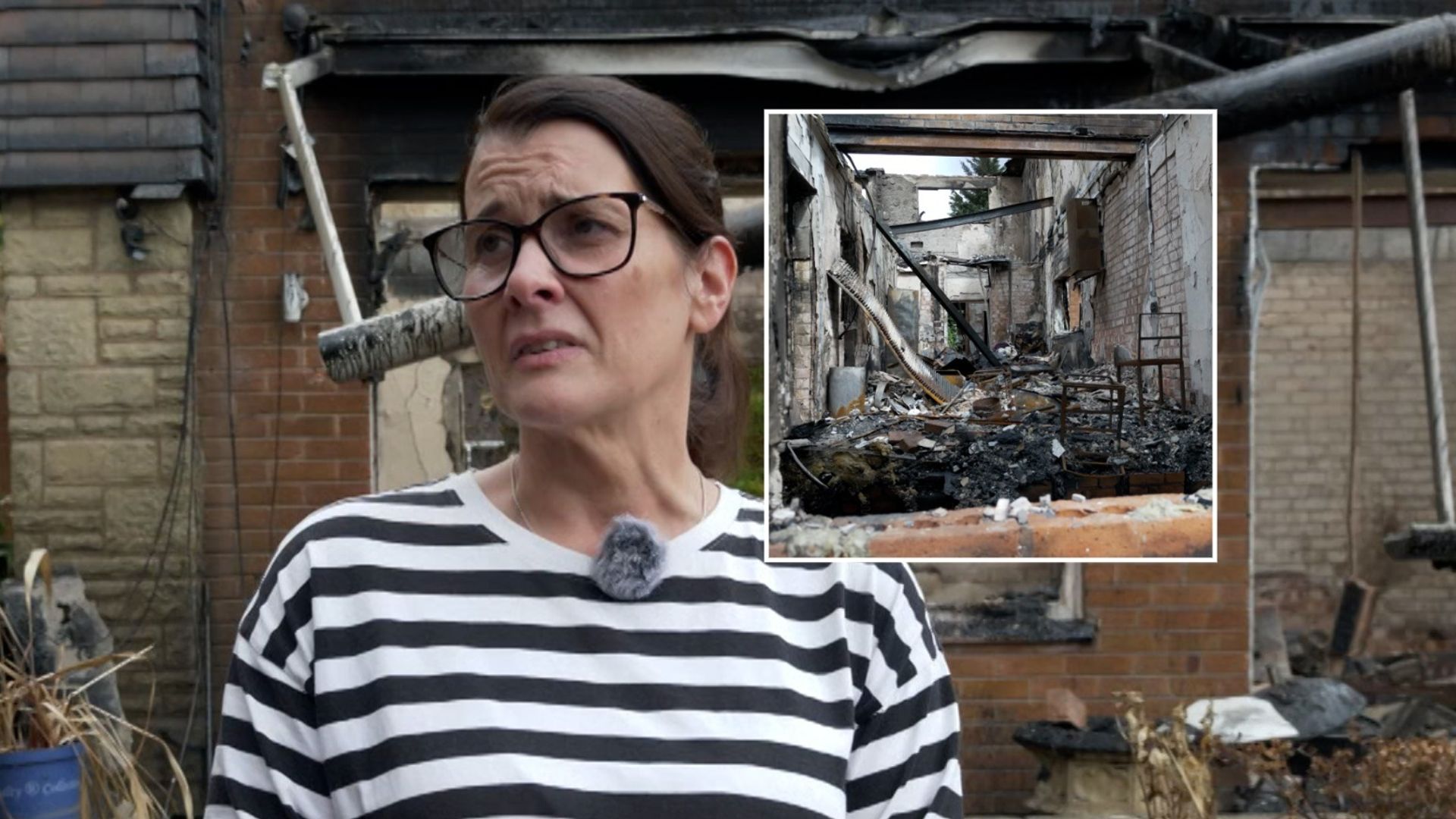
The criticism from Bridget Phillipson and other Labour figures is not merely a play for moral high ground. It is an attempt to categorize Reform’s rejection of net zero policies as a tangible danger to public safety. By juxtaposing Tice’s comments with footage of gutted homes, the opposition is attempting to force a link between skepticism of environmental targets and a failure of empathy for those on the front lines of the climate transition.
There is a historical pattern to this kind of rhetoric. In times of national hardship, the impulse to normalize extreme events often serves as a political defense mechanism. By reframing a crisis as a minor, or even beneficial, inconvenience, proponents of deregulation hope to strip the issue of its urgency. It is an argument built on the idea that adaptation is a personal choice rather than a state obligation. However, this perspective ignores the fact that the state’s primary duty is to manage the very risks that individuals cannot mitigate on their own, such as the collapse of agricultural stability or the surge in healthcare burdens caused by prolonged heat stress.
The data supports the severity of the situation. With thousands of deaths recorded during recent heatwaves and costs to the economy reaching into the billions, the "doom and gloom" label applied by Reform starts to look less like skepticism and more like a tactical detachment from the financial reality. If the national insurance and healthcare systems are buckling under the weight of heat-related illness, the argument that we should treat the weather as a celebratory seasonal development becomes increasingly difficult to sustain.
Furthermore, the focus on English viticulture as a policy talking point highlights a disconnect between luxury-sector optimism and the broader, grinding reality of infrastructure failure. While a single sector might benefit from shifts in the growing season, the systemic cost of replacing destroyed dwellings and managing strained water supplies outweighs the regional success of a niche agricultural product.
The failure here is one of communication. By prioritizing a contrarian stance on climate policy over the acknowledgement of immediate human loss, Tice has provided a clear target for political rivals. The irony is that by framing the issue as a choice between economic growth and environmental preservation, the current discourse misses the chance to address the genuine costs of inaction.
Effective policy requires acknowledging the trade-offs. Pretending that the heat is a benefit is a distraction from the harder work of grid modernization, urban heat island mitigation, and emergency response capacity building. As the summer continues to test the resilience of British communities, the political debate will likely move away from rhetorical flourishes about sparkling wine and toward a more sober accounting of what it actually costs to live in a world where the record-breaking is the new standard.
Those currently holding office or vying for influence are effectively auditioning for a role that will require far more than just weather-related platitudes. They are being judged on their capacity to look at a burning landscape and recognize it not as an opportunity for irony, but as a crisis that requires clear, decisive governance. The disconnect between a political soundbite and the reality of a firefighter’s boot on scorched earth is growing wider every day. Soon, the voters will decide which version of the future they find more credible.