A stadium at midnight is a haunting place. The grass, manicured to a fraction of an inch, glows under the security lights like a stage waiting for a play that hasn't been written yet. In 2026, those stages will be scattered across North America, from the high altitude of Mexico City to the humid sprawl of Miami. But the most important game of the World Cup might not be the final. It might be a match that, on paper, looks like a logistical nightmare.
Imagine a young boy in Tehran. Let’s call him Saman. He doesn't care about economic sanctions or the dizzying complexities of the nuclear deal. He cares about the way the ball feels when it leaves his foot. He cares about the "Team Melli" jersey hanging on his wall, the one he wore when he cried after the last World Cup. To Saman, the United States isn't a political adversary; it is the place where his heroes might finally prove they belong to the world.
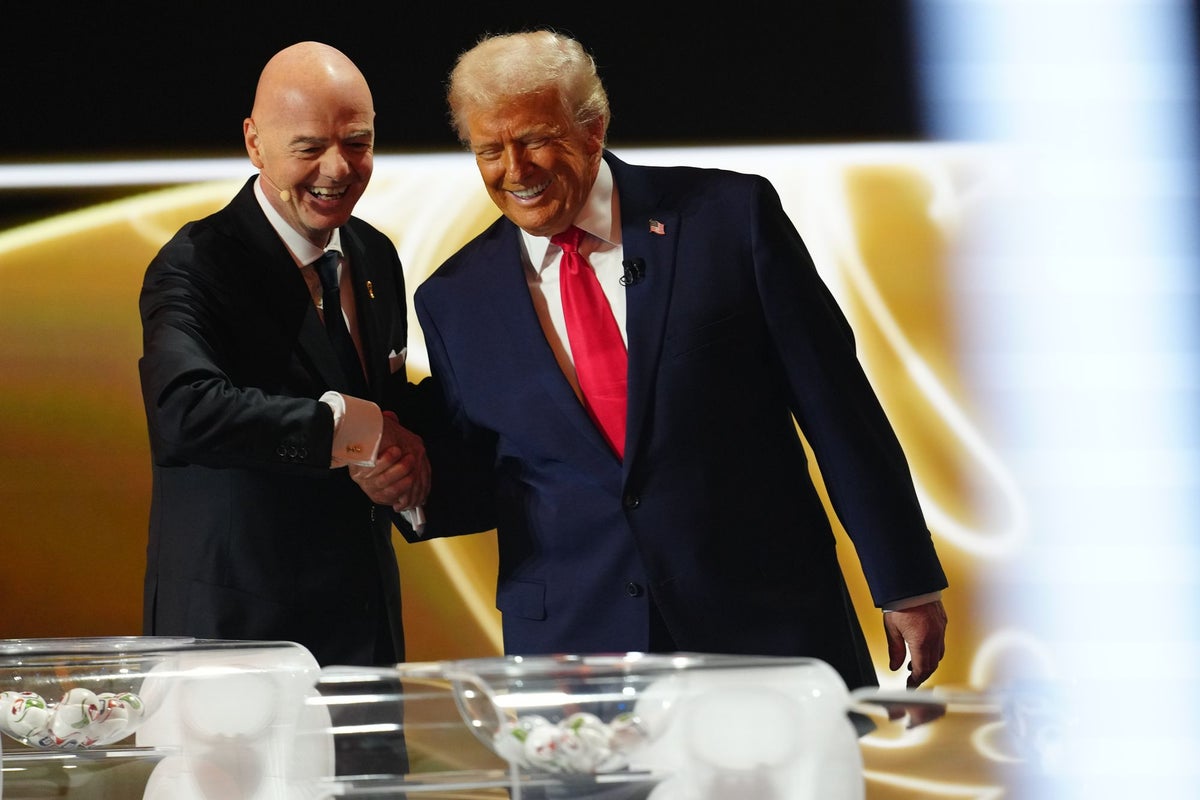
FIFA President Gianni Infantino recently sat in a room and said the words that many feared would never be uttered. He confirmed that the Iranian national team would be "welcome" on American soil. It sounded like a standard diplomatic platitude. It wasn't. It was a crack in a wall that has been hardening for decades.
The Invisible Jersey
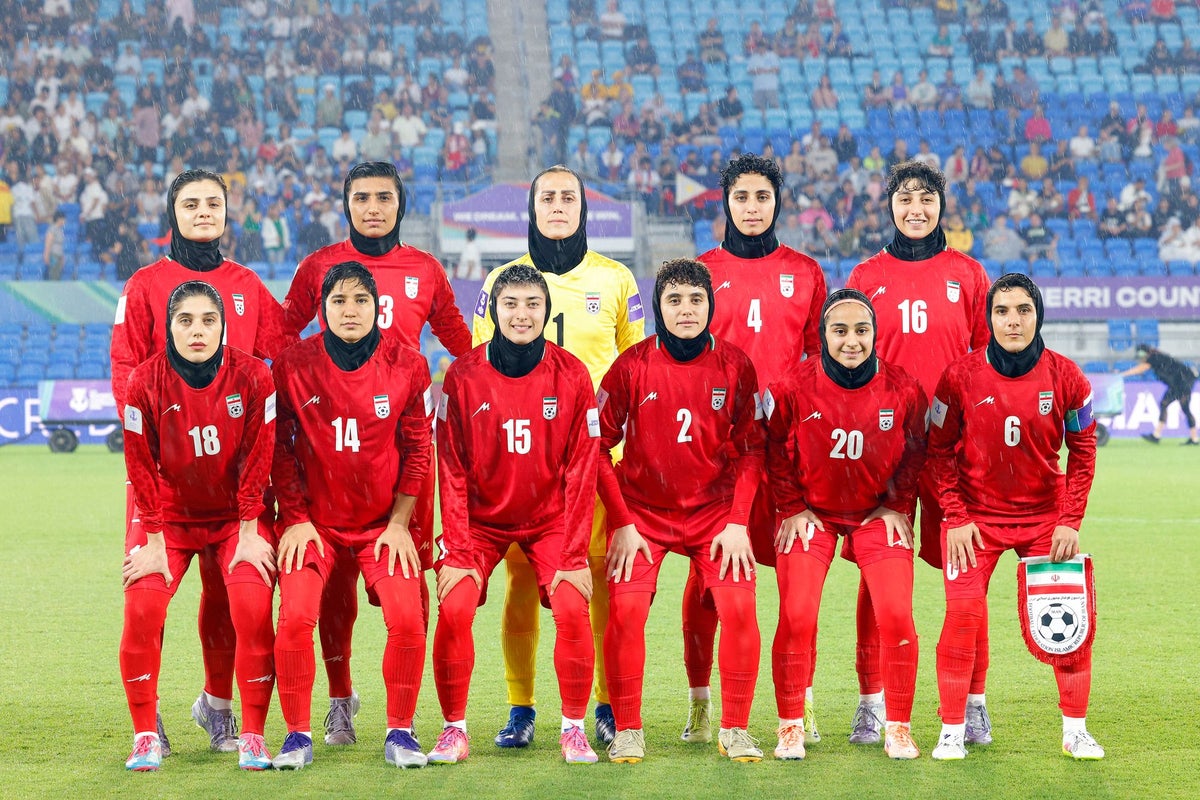
When a team like Iran qualifies for a tournament hosted by the United States, they aren't just bringing cleats and tactics. They are bringing a suitcase full of ghosts. Every player carries the weight of a population that feels both invisible to the West and hyper-visible in the headlines.
Football is the only language that doesn't require a translator. When the whistle blows, the geopolitical noise that fills our news feeds tends to go silent. For ninety minutes, a midfielder from Isfahan is judged solely on his vision, not his passport. This is the "soft power" that diplomats talk about in air-conditioned offices, but for the fans, it's visceral. It’s the sound of 70,000 people gasping at the same missed header.
The challenge of hosting Iran in the U.S. is a triumph of logistics over ideology. Think about the visas. The security details. The protesters and the supporters who will undoubtedly fill the streets outside the stadium. It would be easier for everyone if the tensions kept them apart. But ease has never been the point of the World Cup.
The 1998 Ghost
We have been here before. Lyon, France, June 1998. The United States versus Iran. It was billed as the "most politically charged game in FIFA history." The world held its breath, expecting a clash of civilizations. Instead, something strange happened.
The Iranian players handed white roses—the symbol of peace—to their American counterparts. They stood together for a joint team photo, arms draped over shoulders. It remains one of the most iconic images in sports history. Iran won 2-1, but the score was the least interesting part of the evening. The players proved that while governments may be at odds, the people who play the game are often cut from the same cloth.
Infantino’s recent invitation is an attempt to recapture that lightning. He knows that the 2026 World Cup is more than a revenue driver. It is a massive, continent-sized experiment in radical hospitality. To say Iran is welcome is to say that the pitch is a sanctuary.
The Logistics of Hope
Security is the silent protagonist in this story. Hosting a team from a nation with such a complex relationship with the U.S. requires a level of coordination that borders on the miraculous. It involves the State Department, local law enforcement, and FIFA’s own private security apparatus. They have to plan for every contingency, from political demonstrations to cyber threats.
But consider the alternative. A World Cup that only invites "easy" guests isn't a World Cup. It’s an invitational for friends. The true power of the tournament lies in its friction. It forces us to look at the "other" and realize they sweat, bleed, and celebrate exactly the same way we do.
When the Iranian team lands at JFK or LAX, they will be met with a mixture of intense scrutiny and overwhelming joy. There are millions of Iranians living in the United States. For them, this isn't just a tournament. It’s a family reunion. It’s a chance to scream for their heritage in the middle of their adopted home.
The Boy in Tehran
Back to Saman. He watches the news and hears that his team is welcome in America. He doesn't see a "security challenge." He sees a bridge. He sees a world where he might one day travel to Los Angeles, not to argue about policy, but to argue about whether the referee was blind.
That argument is a gift.
It’s a humanizing force that defies the gravity of the nightly news. If we can agree on the rules of a game, we’ve already found the first piece of common ground. Everything else—the trade deals, the treaties, the borders—starts with that one shared understanding.
The 2026 World Cup will be the largest ever staged. More teams, more cities, more fans. But its success won't be measured by ticket sales or television ratings. It will be measured by those small, quiet moments where a fan in a "USA" shirt buys a drink for a fan in a "Melli" shirt.
It will be measured by the silence that falls over a stadium just before a penalty kick. In that silence, there are no sanctions. There is only the ball, the grass, and the hope that, just for a moment, the world can be one thing.
The stadium lights will eventually go down. The crowds will disperse. But if a team from a "forbidden" place can play on American soil, they leave behind a footprint that no border guard can erase. They prove that the game is bigger than the world that tries to contain it.
A ball rolls across a line. A net bulges. A stadium erupts. In that explosion of sound, every wall we’ve built looks incredibly fragile.