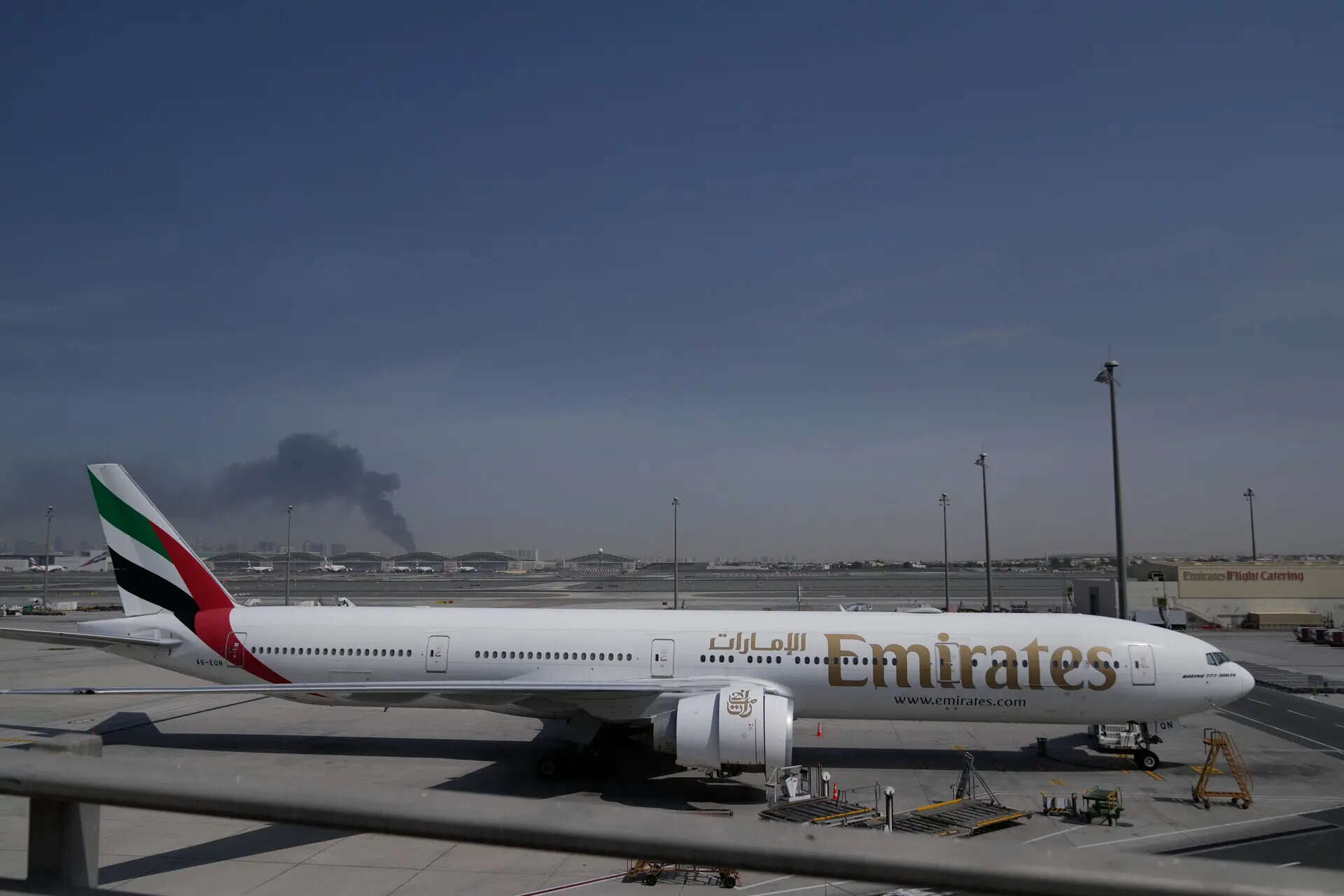
You land in Dubai for a bit of sun, maybe some shopping, and a break from the drizzle back home. Then the sky lights up. Naturally, you pull out your phone. Everyone does it. But in the United Arab Emirates, that simple reflex can land you in a cell at Bur Dubai police station with a two-year prison sentence hanging over your head.
A 60-year-old Londoner just found this out the hard way. He’s currently sitting in custody because he allegedly filmed missiles streaking across the sky during the current escalation between Iran and the U.S. and Israel. He isn't alone. He’s one of 21 people recently swept up in a crackdown on social media activity that the UAE government views as a threat to national security and public order.
If you think deleting the video saves you, think again. Reports say the British tourist deleted the footage the moment he was asked. It didn't matter. He’s still facing charges under the UAE’s strict cybercrime laws. The reality of traveling in the Middle East in 2026 is that the rules have changed, and "I didn't know" isn't a valid defense.
The legal trap of filming "incidents"
The UAE’s Attorney General, Dr. Hamad Al Shamsi, hasn't been subtle about the warnings. The government has made it clear that taking or sharing images of drone strikes, missile interceptions, or even fallen shrapnel is illegal. Why? Because from their perspective, these videos spread "public panic" and harm the country's image as a safe global hub.
The charges usually fall under Federal Decree-Law No. 34 of 2021 on Combatting Rumors and Cybercrimes. It's a broad, heavy-handed piece of legislation. It doesn't just target the person who first uploads a video. It can hit anyone who:
- Shares the video on WhatsApp.
- Reposts a clip on X or TikTok.
- Comments on a video that’s already circulating.
The London man in custody is being accused of using an "information network" to circulate "provocative propaganda." It sounds like something out of a spy novel, but for the person sitting in a cell, it's a very real nightmare. We’re talking about fines ranging from AED 20,000 to AED 200,000 (roughly £4,000 to £40,000) and the very likely prospect of deportation after serving time.
Why the UAE is hypersensitive right now
Dubai spends billions on its image. It's the "City of Gold," the land of the future, and a playground for the wealthy. That image is fragile when missiles are being intercepted over the Burj Khalifa. The authorities are desperate to maintain the facade of total safety. They don't want the world to see footage of a war zone; they want you to see luxury hotels and influencer brunches.
Radha Stirling, the CEO of Detained in Dubai, has seen this play out many times. She notes that during times of regional conflict, the police become "hypersensitive." They aren't just looking for spies; they’re looking for anyone making the country look unstable.
In some cases, people are treated as "national security suspects" before the facts are even sorted out. That means being taken to specialized CID facilities for interrogation. It isn't just a quick chat at the police station. It’s an ordeal that can last weeks or months without a formal charge.
The "innocent mistake" that isn't innocent there
The British tourist reportedly said he had no malicious intent. Most people don't. They see something extraordinary and want to document it. But the UAE doesn't care about your intent; they care about the act.
There's also a massive concern about AI-generated content. The authorities are terrified of "deepfake" videos showing attacks that never happened, which could trigger a mass exodus of expats or a crash in the tourism market. Because of this, they've adopted a "zero tolerance" policy. If you’re caught with the footage, you’re part of the problem.
How to actually stay safe in 2026
If you're heading to the UAE, or if you're already there, you need to change how you use your devices. The culture of "post everything" is a liability.
- Stop filming the sky. If you see something military-related—missiles, drones, planes, or even just heavy police presence—keep your phone in your pocket.
- Clean up your WhatsApp. If someone sends you a video of an "incident," delete it immediately. Don't forward it "just to show a friend."
- Avoid military sites. This is a classic rule, but it’s more important than ever. Filming a palace, a government building, or a military base can be seen as espionage.
- Watch your comments. Publicly criticizing the government’s response to the conflict on social media is a fast track to an arrest warrant.
The 60-year-old Londoner is currently waiting for prosecutors to decide his fate. His family is worried, and his vacation has turned into a legal battle that could define the next two years of his life.
Don't assume your citizenship protects you. The UAE has shown time and again that they'll enforce their local laws regardless of your passport. If you see something that looks like news, let the official state news agency (WAM) report it. Your job is to stay a tourist, not a citizen journalist.
If you find yourself in a situation where the police ask for your phone, comply immediately. Don't argue about your rights or "freedom of the press." Those concepts are viewed differently there. Delete the content if they tell you to, but understand that even that might not be the end of the conversation. Your best bet is to never hit "record" in the first place.