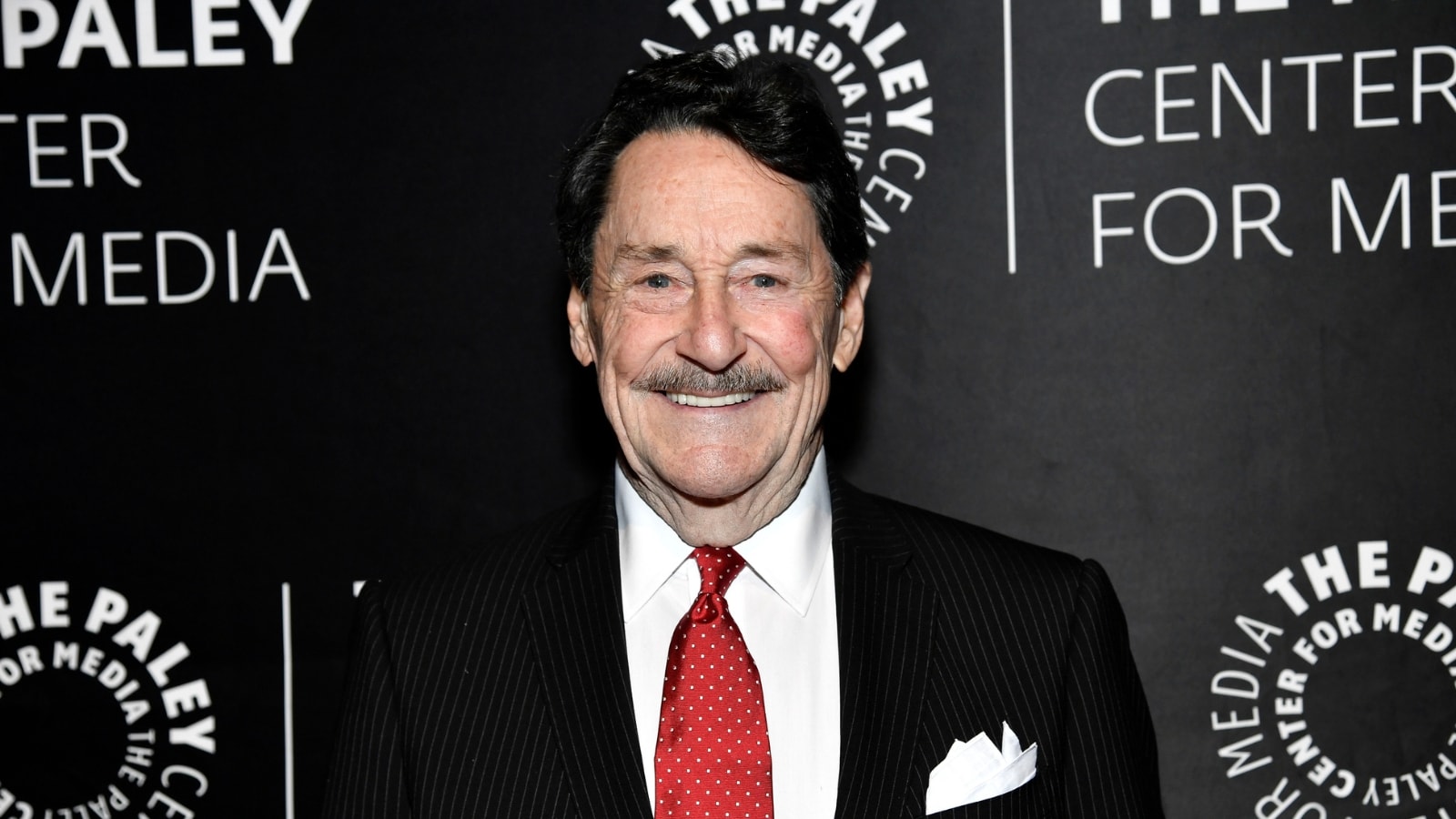
The internet is drowning in performative grief. Every digital terminal on earth is currently broadcasting the exact same low-effort eulogy for Peter Cullen, who reportedly passed away at eighty-five. Millions of people who could not name a single recording engineer, layout artist, or script supervisor he worked with are suddenly self-appointed experts on his legacy. They post the same compressed YouTube clip of Optimus Prime transforming, tag a few corporate studio handles, and type out hollow condolences.
It is lazy. It is derivative. And it entirely misses why Cullen mattered.
The standard narrative surrounding voice actors like Cullen reduces them to living greeting cards. The mainstream media obituary treats him as a pleasant Canadian gentleman who happened to stumble into a recording booth forty years ago, did a gravelly impression of a truck driver, and then coasted on convention appearances for decades. That framing is insulting to the craft, historically illiterate, and completely wrong about how iconic performances actually survive the cultural blender.
Cullen was not a lucky voice actor who caught lightning in a bottle. He was a masterclass in acoustic authority who rescued a literal toy commercial from absolute creative bankruptcy and turned it into secular mythology.
The Manufactured Nostalgia Trap
Look at any comment thread attached to Cullen's name today and you will spot the exact same intellectual laziness. Fans talk about childhood weekends, sugary cereal, and the comforting rumble of a heroic alien leader telling them to freedom is the right of all sentient beings.
This is the nostalgia trap. It flattens a towering career into a warm security blanket designed to soothe modern adults who are terrified of facing current realities. When you reduce Cullen to a trigger for your forgotten Saturday mornings, you treat his entire body of work as an aesthetic prop for your own arrested development.
The lazy consensus says Cullen was iconic because Hasbro wrote brilliant scripts in 1984. Anyone who has actually read a draft of the original Transformers scripts knows that is a historical fairy tale. Those early episodes were hastily assembled thirty-minute commercials designed to move plastic inventory off shelves in Ohio and Tokyo. The dialogue was wooden. The plot holes could swallow a freight train. The continuity changed by the minute.
If you had handed those scripts to a conventional voice actor of the era, the result would have been disposable garbage that aged like warm milk. Cullen did not read the lines; he elevated them through pure vocal architecture. He took a two-dimensional action figure and injected gravitas, sorrow, and terrifying command into the vocal tract.
The Acoustic Architecture of Leadership
Let us talk about the mechanics of the voice, because nobody in the pop culture press ever bothers to look under the hood.
Cullen did not invent Optimus Prime by simply talking low into a microphone. He based the original cadence on his older brother Larry, a decorated Marine captain who returned from Vietnam. Larry spoke quietly, without bluster, because men who actually carry the weight of command do not need to scream to be heard.
That distinction separates real leadership from cartoon posturing. Most villains and fake heroes in media yell, snarl, and over-articulate. Cullen went the opposite direction. He pulled his voice down into a measured, deliberate register that forced the listener to lean in. He weaponized acoustic intimacy.
When you listen to Cullen work across Transformers, Winnie the Pooh as Eeyore, and various other projects, you hear a master of dynamic contrast. Eeyore is depressive, slumped, and dry, yet dripping with deadpan wit. Optimus Prime is unwavering, burdened, and cosmic. The physical distance between those two characters in a sound booth requires a level of vocal control that ninety-nine percent of modern screen actors couldn't manage with a month of vocal coaching and an autotune rig.
The industry loves to pretend that celebrity stunt casting is the pinnacle of voice acting today. Studios routinely hand multi-million dollar animated film roles to whichever movie star happened to top the box office last weekend, regardless of whether they possess any actual microphone technique. These performances are breathy, flat, and lifeless, saved only by digital compression and endless editing.
Cullen operated from an era when voice acting was a rigorous theatrical discipline, not a marketing checkbox for social media algorithms. He understood microphone proximity effect, frequency placement, and how to distort his upper register without shredding his vocal cords. He treated the recording studio like a classical stage.
Why Your Tribute is Actually About You
The speed with which the internet commodified Cullen’s passing reveals the rot at the core of modern fandom.
Within minutes of the unverified reports spreading across social media, brands jumped into the fray. Toy manufacturers, streaming platforms, and corporate marketing departments posted slick graphics of Optimus Prime with digital teardrops or black ribbons. They did not mourn the man; they leveraged his death to boost Q3 engagement metrics.
And the fans went right along with it, reposting corporate marketing copy as a substitute for genuine emotional processing.
This is the consequence of treating pop culture as identity. When your entire personality is built out of media consumption, the death of a creator feels like an attack on your own autobiography. You aren't sad for Cullen; you are sad for the fading ghost of your own childhood. You are mourning the fact that you have to pay rent, file taxes, and live in a world where new entertainment is increasingly sanitized, algorithmic, and devoid of soul.
Cullen would probably hate the melodrama. By all accounts, he was a working-class professional from Montreal who viewed his job with pragmatic humility. He showed up on time, hit his marks, gave the producers three distinct reads, and went home. He did not treat himself as a digital deity.
The Real Legacy We Are Ignoring
If we want to honor Peter Cullen properly, we need to stop treating his work as a nostalgic antique and start treating it as a technical benchmark.
Stop asking if a live-action CGI blockbuster can feature a passable impression of his voice. Start asking why modern entertainment production relies so heavily on digital nostalgia rather than commissioning bold, new character designs with real grit.
The tragedy is not that an eighty-five-year-old man lived a long life and passed away. The tragedy is that the industry that produced him has largely abandoned the conditions that allowed his talent to flourish. We live in an era of homogenized audio, where every trailer sounds the same, every hero speaks with the same ironic sarcasm, and every villain is just a misunderstood anti-hero designed to sell hoodies to teenagers.
Optimus Prime never needed to be relatable. He needed to be good. He needed to stand for something absolute in a messy universe. Peter Cullen understood that distinction, and he nailed it every single time he stepped in front of a Neumann U87.
The internet will move on to the next trending hashtag by tomorrow morning. The corporate accounts will delete their tributes and pivot to promoting the next toy line.
Put down your phone, turn off the corporate PR machine, and go listen to the quiet dignity in a man's voice who didn't need to yell to make the universe listen.