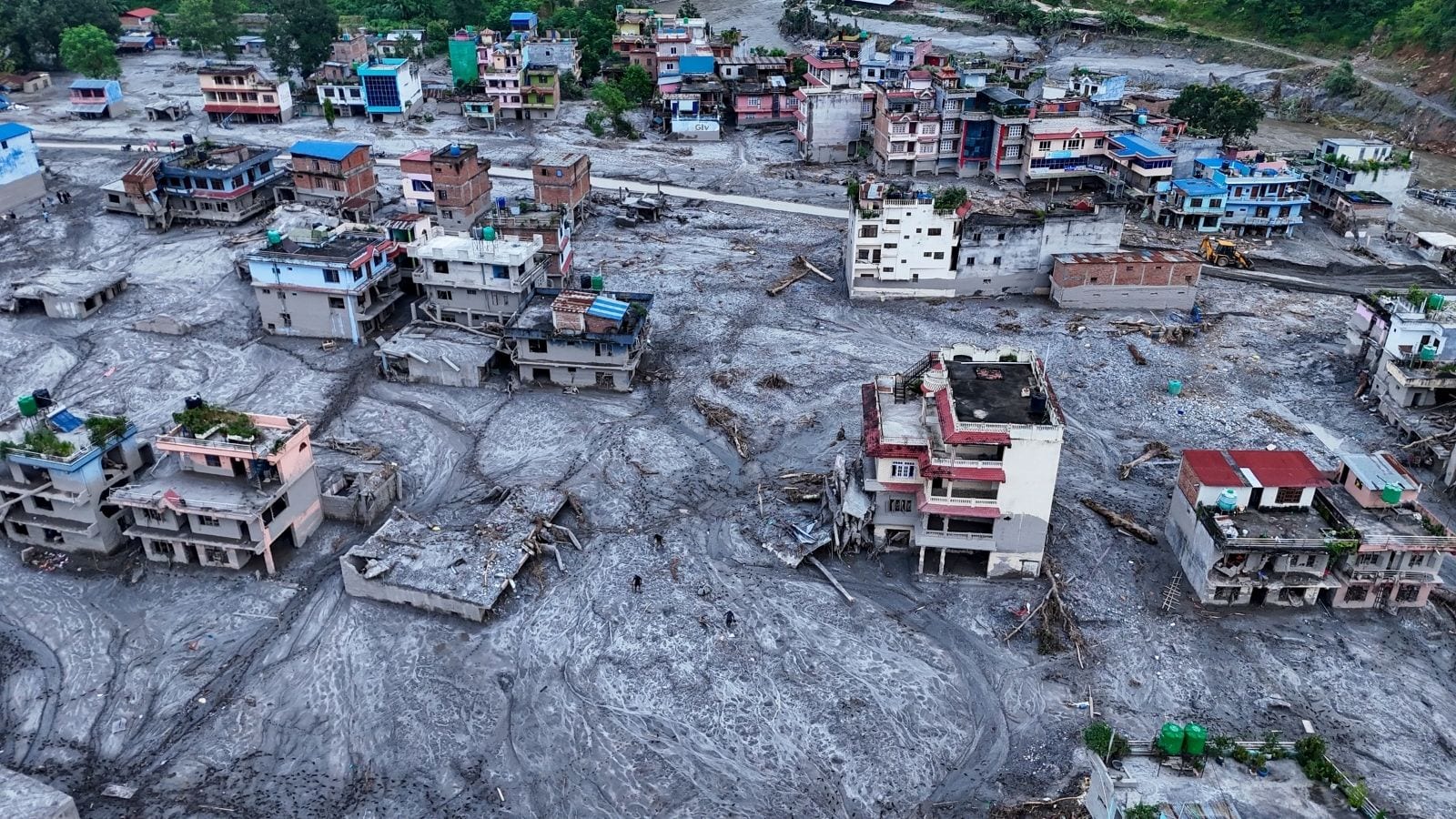
When catastrophic flash floods triggered by an ice-rock avalanche near the Nepal-Tibet border tore through northern and central regions, the immediate headlines focused on the sheer scale of the destruction. Houses were swept away, bridges collapsed, and thousands faced an unprecedented humanitarian crisis. But as the floodwaters receded, a grimmer operational reality set in: identifying the victims and managing an overwhelming human toll under extreme field constraints.
International response mechanisms kicked into gear, yet aid in modern natural disasters isn't just about dropping tents or flying in bags of rice. The real bottleneck became forensic science and specialized cold-chain logistics.
The Logistics of Disaster Forensics
When a disaster leaves behind a massive death toll, recovery teams face a race against time. Decomposition in rugged terrain accelerates quickly, and visual identification often becomes impossible. Nepal's government made specific, urgent requests for items that standard emergency kits leave out: portable freezers, refrigerated reefer trucks, and advanced DNA testing kits.
India stepped in with heavy logistical support, deploying over 130 tonnes of emergency relief materials and sending specialist teams, including forensic experts tasked with operating DNA analysis laboratories in Kathmandu. By working hand-in-hand with local Nepali authorities, these teams processed over 1,200 DNA profiles to help families get closure. Utilizing refrigerated transport units to preserve mortal remains wasn't just a logistical detail—it was a crucial piece of infrastructure that kept identification efforts viable.
Meanwhile, financial backing flowed from global partners. The United States announced multi-million-dollar funding allocations channeled through agencies like USAID, UNICEF, and local implementing partners to target immediate water, sanitation, hygiene, and health needs in the hardest-hit districts.
Why Traditional Relief Falls Short in the Himalayas
If you've never managed logistics in high-altitude mountain environments, it's easy to assume that sending aid is as simple as dispatching trucks. It isn't. Mountain terrain presents a brutal logistical puzzle. When roads wash out, heavy machinery can't reach the disaster zones.
This is why specialized equipment matters more than generic supplies. Mud rescue suits, gas detectors, breathing apparatus, and portable generators became the actual lifelines on the ground. Without localized tunneling gear and portable lighting towers, night-time rescue operations grind to a complete halt.
Governments and international donors are slowly learning that disaster relief must match the specific topography of the crisis. Pumping cash into an area is useless if the local health infrastructure doesn't have the reagents, DNA sequencers, or cold storage required to process mass casualties.
The aftermath of these floods serves as a stark reminder that resilience requires more than immediate rescue. It demands long-term investments in forensic preparedness, robust local health networks, and climate-adaptive infrastructure in vulnerable river valleys.
19-member Indian forensic team begins DNA analysis to identify Nepal flood victims
This video provides an on-the-ground look at the forensic operations and DNA testing procedures deployed in Kathmandu to manage the victim identification process.