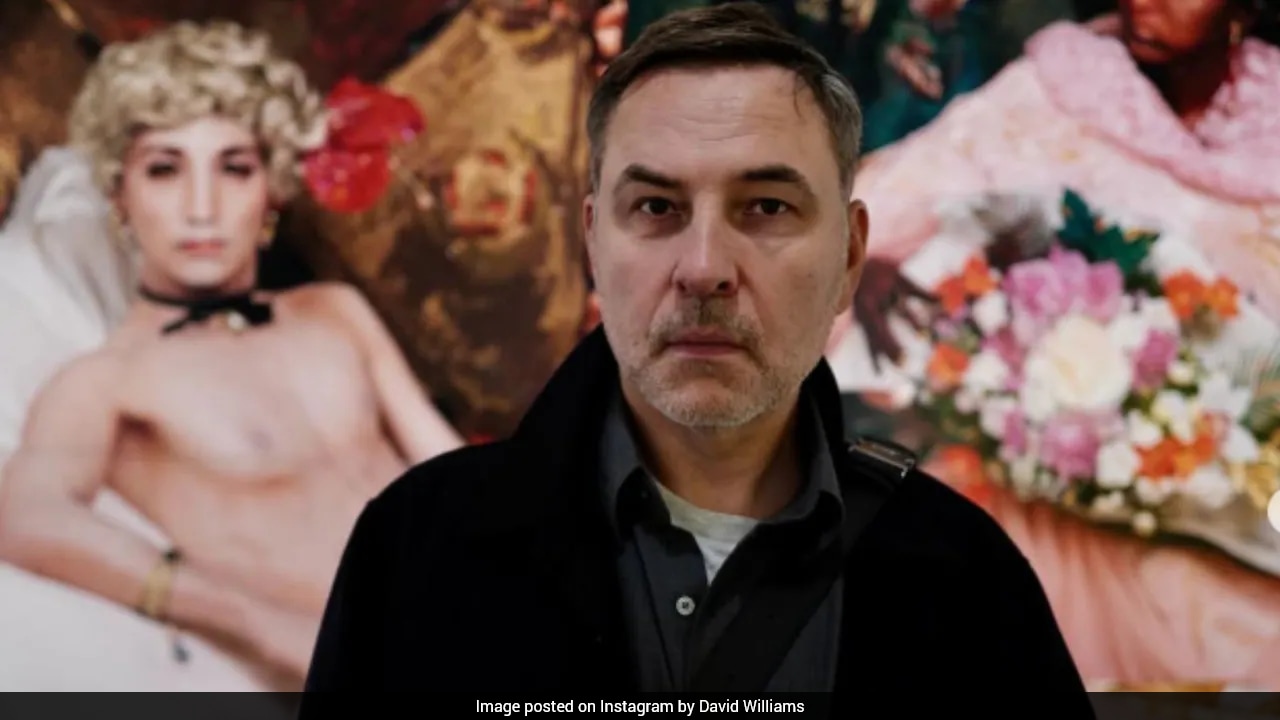
You don't spend three years interviewing more than 100 people unless you're sitting on an earthquake. When The Guardian and ITV News finally went public with their joint investigation into David Walliams, the headlines focused almost entirely on the shock value of a beloved children's author facing grooming accusations. That's the surface story. Look closer, though, and you'll find a much bigger narrative about how British media law, non-disclosure agreements, and institutional silence work together to shield famous men until the dam breaks.
Walliams, 55, built an empire on being harmlessly eccentric. From Little Britain to a decade-long stint judging Britain's Got Talent, and then onto selling millions of children's books like Gangsta Granny and Mr Stink, his public persona was practically bulletproof. Now, London's Metropolitan Police have launched a criminal investigation into allegations of serious sexual offenses against him, and his career has evaporated almost overnight.
What The Joint Investigation Actually Uncovered
Let's strip away the tabloid noise and look at the specific claims laid out in the reporting. The investigation rests on accounts from multiple women who say Walliams used his fame to target them when they were teenagers or young employees.
Almost all the women spoke under pseudonyms because they feared legal retaliation or career ruin. Their accounts follow a remarkably consistent pattern across the 2000s and 2010s.
- The 2007 MySpace contact. A woman identified as "Jade" stated that Walliams, then 36, messaged her on social media even though her profile clearly listed her age as 15. She alleges he invited her to his house, took her down an alleyway after a brief stop at a café, and subjected her to what she describes as grooming and sexual assault.
- The 2004 script mentorship. Another woman, "Alex," met Walliams at 15 when he was 32. She claims he spent years cultivating her trust by reviewing her comedy scripts, offering television work experience, and sending backstage passes to Little Britain shows. They had sex for the first time when she was 17.
- The gift-giving pattern. A third accuser, "Lilly," described him pleading with her to share a bed, showering her with gifts to make her feel special, and cutting her off when she refused sexual contact. She also recalled a chilling message from him praising her for "never going to the papers about me".
- Workplace misconduct. Beyond teenage fans, the reporting detailed inappropriate sexual relationships and explicit messages directed at junior female staff at his longtime publisher, HarperCollins.
Walliams denies every single allegation of criminal behavior or exploitation. Through his legal team, he stated plainly that he is "not a sexual predator" and has "not broken the law". Regarding Alex, he claimed he believed she was 18 when they had sex and called their encounter a "brief, consensual relationship". He admitted behaving "thoughtlessly" in casual relationships years ago, yet insisted that while a power imbalance is inevitable when one person is famous, he never abused that position.
Why The Story Was Buried Until The High Court Ruled
If journalists spent three years compiling this dossier, why did you only hear about it after a dramatic courtroom showdown?
Because in the UK, privacy injunctions are a favorite shield for the wealthy. Before The Guardian and ITV News could publish a word, Walliams' legal team went to London's High Court seeking a permanent injunction to bar the outlets from naming him. Their primary argument wasn't defamation—it was medical risk. His lawyers submitted psychiatric evidence arguing that publishing the allegations posed a severe threat to his life and could lead him to take his own life.
It was a high-stakes legal gamble. On November 3, Justice Matthew Nicklin rejected the permanent bid. He acknowledged the seriousness of the mental health evidence, yet ruled that blocking the story would constitute an "exceptionally serious restriction upon freedom of expression" given the undeniable public interest. A temporary order kept Walliams' name under wraps until the appeal deadline expired. When his lawyers declined to file an appeal, the reporting went live.
Honestly, this legal bottleneck explains why British media coverage of celebrity misconduct often feels delayed by a decade. Under UK law, the age of consent is 16, yet it is a criminal offense for anyone over 18 to intentionally communicate with a child under 16 for a sexual purpose. Even where conduct falls into a legal gray zone, the High Court noted in its judgment summary that several of the alleged acts could amount to criminal offenses if proven.
How Corporate Silence And NDAs Kept The Lid On
You can't understand the David Walliams fallout without looking at the institutions that profited from him. People love to ask why victims wait 15 or 20 years to speak up. The answer is usually sitting in a corporate legal department.
HarperCollins quietly severed ties with Walliams the previous year after an internal probe into his behavior toward junior female employees. At the time, the public got almost zero explanation. Former insiders have since accused the publishing giant of using heavy-handed legal tactics and non-disclosure agreements to keep complaints quiet.
Look at the wider ripple effect happening right now in Westminster:
- Parliamentary scrutiny on NDAs. Within days of the Walliams investigation dropping—coming right on the heels of comedian Russell Brand's 10.5-year prison sentence for rape and sexual assault—UK government ministers began exploring rapid legislative ways to restrict the use of non-disclosure agreements in misconduct cases.
- Age of consent debates. One of Walliams' accusers publicly backed calls for a staggered age of consent law, arguing that 16- and 17-year-olds need stronger statutory protection against adults in positions of authority.
- Broadcaster distancing. Both ITV and the production companies behind Britain's Got Talent rushed out statements claiming they had no record of complaints against him during his tenure.
Meanwhile, the entertainment industry moved fast once the court order lifted. The BBC pulled Little Britain and other Walliams projects from iPlayer while conducting a sweeping review of all material he wrote or appeared in. His longtime literary agency, Independent Talent Group, dropped him. Filmmakers even scrubbed his cameo from an upcoming Australian release.
Separating Proven Facts From Ongoing Investigations
When a story like this explodes, social media instantly turns into a kangaroo court. If you want to follow this case intelligently without falling for misinformation, keep three hard realities in mind:
- Allegations are not convictions. The High Court ruling allowed journalists to publish the claims; it did not establish guilt. The Metropolitan Police investigation is active, and no criminal charges have been filed yet.
- Watch the legal distinction around grooming. In everyday conversation, people use "grooming" broadly to describe any manipulative courtship by an older person. Under the UK Sexual Offences Act, specific criminal thresholds apply depending on the victim's exact age at the time of communication versus physical contact. Prosecutors will examine timestamps, messages, and witness corroboration rather than public outrage.
- Pay attention to institutional accountability. The biggest long-term shift won't just be what happens to one comedian. Watch how UK lawmakers rewrite rules around workplace NDAs and how publishing houses handle complaints from entry-level staff.
If you're tracking this story or discussing it with your kids—especially if his books are sitting on their bedroom shelves—focus on verified reporting from outlets like The Guardian's investigation and official updates from the Metropolitan Police rather than rumor mills. Use this moment to have an honest, age-appropriate conversation with teenagers about online boundaries, how adults in positions of authority should behave, and why true mentorship never comes with secret conditions.