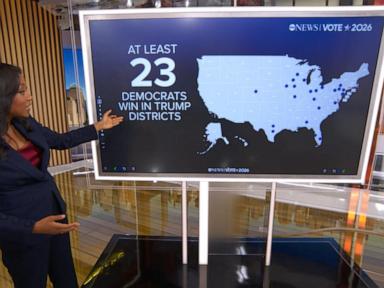
Most people hear that Democrats swept both the House and the Senate in the November 2026 midterms and immediately assume Donald Trump’s foreign policy is dead in the water.
They're wrong. Dead wrong.
If you're expecting a newly empowered Democratic Congress to suddenly rein in the White House on Iran, rescue Ukraine funding overnight, or dismantle Trump’s tariff regime on January 3, 2027, you're misunderstanding how power actually works in Washington. Losing Capitol Hill doesn't turn a second-term president into a helpless spectator. Often, it does the exact opposite. Blocked from passing domestic bills or confirming partisan judges, a cornered president turns outward—where the Constitution gives the executive branch massive, unilateral room to maneuver.
I've watched this exact movie play out across multiple administrations, from George W. Bush’s post-2006 surge in Iraq to Barack Obama’s post-2014 pivot toward executive agreements and drone campaigns. When Congress flips, the president doesn't surrender the steering wheel. The whole dynamic shifts from lawmaking to institutional trench warfare—subpoenas, budget riders, vetoes, and sudden geopolitical gambles.
Why the 2026 Midterms Flipped the Script
Rarely does a U.S. midterm election hinge on a foreign war. Usually, voters punish the party in power over grocery bills and gas prices. This time, foreign policy and kitchen-table pain were the exact same thing.
When Trump authorized joint U.S.-Israeli strikes against Iran under Operation Epic Fury on February 28, 2026, the administration promised a swift, decisive blow against Tehran’s nuclear and ballistic missile infrastructure. Eight months later, the conflict had morphed into a grinding economic headache. Maritime blockades in the Strait of Hormuz and retaliatory strikes across the Persian Gulf choked global shipping lanes, sending crude prices and American inflation right back up. A September 2026 Emerson College poll confirmed what strategists in both parties already knew: the Iran war had become the single biggest driver for voters, outranking employment, tariffs, and immigration.
Even Vice President JD Vance didn't bother spinning the November rout. "The reason we lost is the war," Vance posted on X hours after the results came in, a blunt postmortem quickly echoed by Donald Trump Jr.
Yet Trump himself refused to apologize, arguing that preventing a nuclear-armed Iran was worth the short-term pain at the pump. That split inside the MAGA movement—between populist isolationists furious over an expensive Middle Eastern entanglement and a president determined to project strength—is the real fault line that will define the next two years.
Trump Losing Congress Changes the Leverage on Iran
So what happens now that Democrats will take over the gavels on the House Foreign Affairs Committee, the Senate Foreign Relations Committee, and the Armed Services panels in January?
Don't expect Congress to simply vote the war out of existence. Under the War Powers Resolution of 1973, lawmakers can pass measures demanding the removal of U.S. forces from unauthorized hostilities. In fact, the House already tried passing a war powers resolution back in June 2026. The catch? The president can veto it. Overriding a presidential veto requires a two-thirds supermajority in both chambers, and while plenty of anti-interventionist Republicans are uneasy about Operation Epic Fury, getting enough of them to publicly humiliate Trump on a veto override is a tall order.
Instead, Congress will choke the administration through three much slower, sharper tools:
- The power of the purse. Operation Epic Fury had already cost taxpayers $33.4 billion by late June 2026, according to Defense Department Inspector General reporting. Democratic appropriators can refuse to pass supplemental war funding or attach strict riders prohibiting Pentagon dollars from being used for offensive strikes or naval blockades without explicit congressional authorization.
- Relentless oversight and subpoenas. Expect Wall-to-Wall hearings starting in early 2027. Committee chairs will subpoena Pentagon officials, scrutinize Defense Secretary Pete Hegseth’s firings of senior military brass, investigate defense contracting, and demand unredacted intelligence assessments on what the strikes actually achieved.
- Cabinet attrition. Historically, presidents bleed top national security officials after a midterm shellacking—think Bush replacing Donald Rumsfeld in 2006. If Trump decides to reshuffle his national security team, a Democratic Senate holds confirmation power over every new nominee. Good luck getting a hardline hawk through a Senate Foreign Relations Committee run by Democrats.
Here is the paradox most pundits miss, though. Because Trump knows Democrats will starve him of funding for a prolonged campaign, he actually faces intense pressure to either cut a quick diplomatic deal or escalate dramatically before the new Congress is sworn in. Analysts like Ali Vaez have pointed out that Trump still holds the cards to strike a face-saving agreement with Tehran—potentially leaning on Chinese backchannels via Treasury Secretary Scott Bessent—and declare victory. Or he could gamble on one more massive military push while he still holds unchecked initiative. Either way, Tehran knows the clock is ticking on Washington's patience.
Ukraine and Europe Face a Messy New Reality
If you're sitting in Kyiv or Brussels, the Democratic sweep feels like a sigh of relief—at least on paper. Ukrainian President Volodymyr Zelenskyy openly noted on Election Day that the U.S. vote would shape his country's future, and European Parliament Vice President Christel Schaldemose acknowledged that a Democratic Congress could bolster support for Ukraine.
Hold the champagne. A pro-Ukraine majority on Capitol Hill cannot force the White House to ship weapons it doesn't want to send.
Why Congress Alone Can't Save Kyiv
Even with bipartisan support for Ukraine across both chambers, the president executes foreign policy. Trump has spent months pushing for a negotiated settlement with Moscow, pressuring Kyiv to halt strikes on Russian oil infrastructure, and signaling a desire to restore economic ties with Russia.
- Congress can appropriate aid, but the executive branch controls delivery. Lawmakers can tuck fresh billions for Ukrainian air defense and artillery into must-pass government funding bills, forcing Trump into a political corner if he threatens a government shutdown. Still, the Pentagon controls the pace of drawdowns, logistics, and intelligence sharing.
- Sanctions become a two-way street. Congress can pass mandatory sanctions bills targeting Russian energy and shadow-fleet tankers, stripping the White House of unilateral waiver authority. That limits Trump’s ability to dangle sanctions relief as a carrot for Vladimir Putin during trilateral talks in places like Abu Dhabi.
- The lame-duck danger window. European diplomats—including former Munich Security Conference chair Wolfgang Ischinger—aren't celebrating because they fear the weeks between November and January 3. A wounded president with nothing left to lose politically might rush to cut a lopsided deal with Putin before Democrats even take their seats.
Germany’s former ambassador to Washington, Emily Haber, hit the nail on the head when she warned Europeans against treating the 2026 midterms as a return to normal. America's strategic shift away from carrying Europe's defense burden isn't a temporary Trump quirk—it's structural. Even with Democrats holding the gavel in Congress, European capitals still have to fund their own deterrence.
Where Trump Still Holds Unchecked Power
If you want to track where U.S. foreign policy actually goes over the next 24 months, stop watching floor speeches in the House and start watching the areas where Congress has virtually zero leverage.
Tariffs and trade wars remain Trump's playground. Over the past few decades, Congress handed the presidency sweeping statutory authority to slap tariffs on foreign nations under national security and emergency economic powers. Democrats can hold hearings all day long about how tariffs raise consumer prices, and they can try to attach riders to trade bills. Unless they muster a veto-proof two-thirds majority to rewrite U.S. trade law, Trump can keep hammering China, the European Union, or Mexico with duties whenever negotiations stall.
Regional pressure campaigns won't slow down. Look at the Western Hemisphere. With domestic legislation dead on arrival, Trump and Secretary of State Marco Rubio have every incentive to double down on high-profile foreign policy wins closer to home—whether that means tightening the oil squeeze on Cuba's struggling regime or authorizing maritime interdictions off South America. Those operations don't require new bills from Congress. They just require an order from the Oval Office.
Treaties and executive agreements bypass the Senate. Trump already prefers informal executive deals over formal treaties that require 67 Senate votes. Ironically, a hostile Senate guarantees he will rely even more heavily on unilateral executive orders, sanctions waivers, and bilateral handshakes that the next president could undo just as easily.
How to Read the Next Two Years Without Falling for the Spin
Watching Washington during divided government is exhausting if you take politicians at their word. Both sides have every reason to exaggerate what this election changed. Democrats will talk as if they've put handcuffs on the commander-in-chief, while the White House will claim nothing has changed at all.
Neither story is true. If you're tracking geopolitical risk—whether for business, investing, or just staying informed—watch three concrete indicators instead of cable news noise:
- Watch the Pentagon's base budget and supplemental bills in early 2027. If Democratic appropriators successfully insert binding language cutting off funds for operations in the Persian Gulf, Trump’s military options shrink fast. If they blink to avoid being painted as weak on national security, the White House keeps its free hand.
- Track Senate confirmation bottlenecks. Pay attention to how many ambassadorial and undersecretary posts sit empty. A hollowed-out State Department and Pentagon relying on "acting" officials signals an administration fighting a rear-guard war against congressional oversight.
- Follow oil transit data in the Strait of Hormuz alongside Abu Dhabi diplomatic readouts. Forget the rhetoric from Washington podiums. Tanker traffic through Hormuz and the presence—or absence—of European diplomats at U.S.-Russia-Ukraine talks will tell you immediately whether Trump is pivoting toward dealmaking or digging in for a two-year standoff.
Trump lost his congressional blank check, not his constitutional authority. For Iran, Ukraine, and every U.S. ally caught in the middle, that distinction is the only thing that matters.