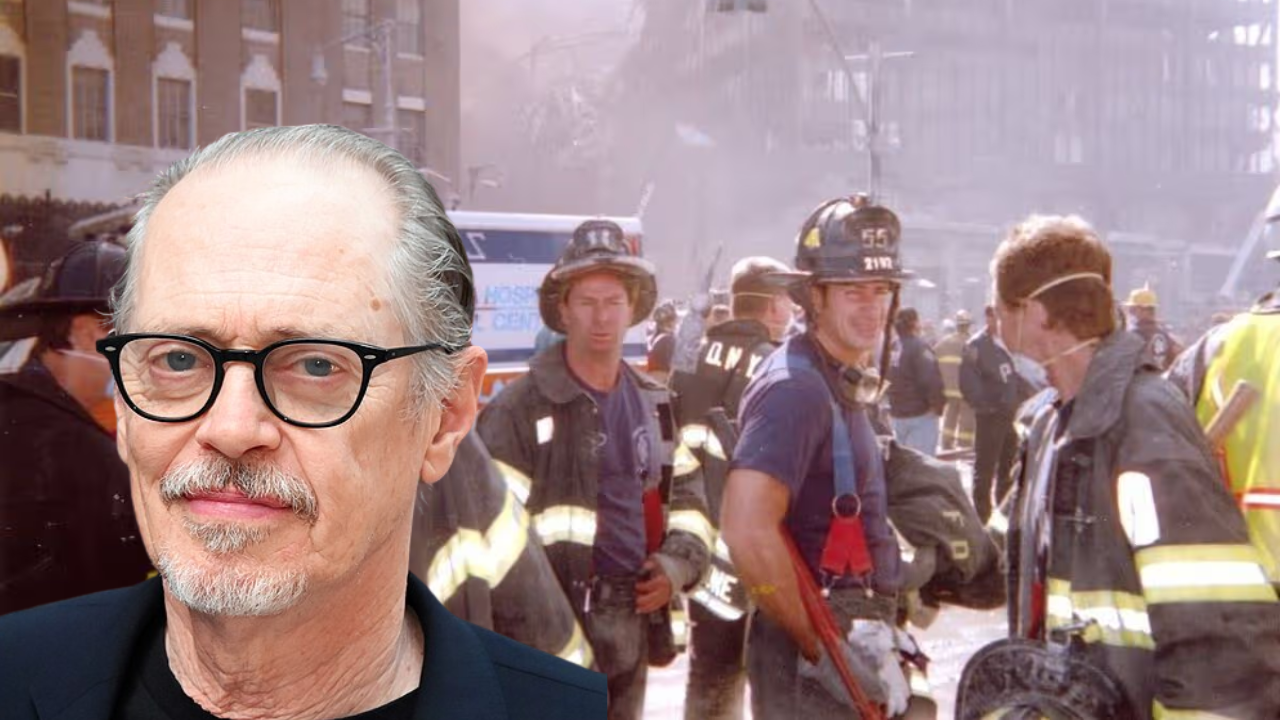
You have probably seen the photo. A quiet-looking man in full firefighter gear, standing amidst the ash and twisted steel of lower Manhattan, looking exhausted. That man is Steve Buscemi. Most of pop culture knows him as an iconic character actor, the guy who meets messy ends in Fargo or plays nervous criminals in Reservoir Dogs. But long before Hollywood came calling, Buscemi was a real-deal New York City firefighter. When the world collapsed on September 11, 2001, he didn't just issue a statement or post a tribute. He quietly walked back to his old station and went to work.
The internet loves to cycle through this story every anniversary, painting it as a neat, heartwarming Hollywood anecdote. It is not that simple. The reality of what Buscemi did, why he did it, and what happened afterward is far more complex than a viral meme lets on.
The Engine Company 55 Days You Did Not See
Before the screenwriting credits and the indie film acclaim, Buscemi took the civil service exam at age 18, following his father's belief in public service. From 1980 to 1984, he served full-time with Engine Company 55 in Little Italy. When he left to pursue acting full-time, he took a leave of absence, thinking he might eventually return.
He did return, but under the worst circumstances imaginable.
On September 12, 2001, Buscemi showed up at his old firehouse unannounced. He didn't call publicists, and he explicitly asked photographers not to snap his picture. For five straight days, working twelve-hour shifts alongside active-duty personnel, he crawled through the smoking, toxic rubble of the World Trade Center. He used bucket brigades, searched for missing colleagues, and faced a landscape that felt like another planet.
Out of respect for his former brothers and the sheer gravity of the rescue effort, he refused interviews. The only reason we even know the full extent of it is because a single photographer happened to catch him in uniform.
The Mental Toll Nobody Talks About
We love to celebrate heroes in the immediate aftermath, but we rarely talk about the aftermath of being a hero. Years later, Buscemi opened up about the psychological cost of those five days. Like thousands of other first responders, he battled severe post-traumatic stress disorder, depression, and crippling anxiety.
He has noted in interviews that once he stopped going down to the site and tried to resume normal life, basic decisions felt impossible. The adrenaline faded, but the trauma stayed embedded. Seeing images of the disaster or being anywhere near lower Manhattan triggered immediate panic. He went back to help others, but he walked away carrying a heavy psychological backpack that he admits is still with him today.
Transitioning From the Rubble to Real Support
Action without infrastructure is just a temporary bandage. Recognizing the invisible wounds carried by active and retired firefighters, Buscemi eventually took on a vital role behind the scenes. He became heavily involved with Friends of Firefighters, a nonprofit organization providing free, confidential mental health counseling and wellness services specifically tailored to firefighters and their families.
This wasn't just a celebrity endorsement. Buscemi understood firsthand why standard departmental channels often fail workers dealing with trauma. Firefighters are trained to be tough, and asking for help can feel like an admission of weakness within a tight-knit occupational culture. Offering a confidential, independent outlet changes everything. By 2024, the organization was scaling up to deliver thousands of specialized counseling sessions annually, proving that the work of healing from 9/11 stretches decades past the final falling beam.
Stop treating Steve Buscemi's time at Ground Zero as a quirky trivia fact for a movie forum. It represents a real human cost, a reminder of what civic duty actually costs a person, and a blueprint for how to show up when your community is bleeding.
If you or someone you know is dealing with trauma, stress, or mental health struggles related to first-responder work, look up dedicated peer-support organizations like Friends of Firefighters or local community crisis lines today. Real support is available, and you don't have to carry it alone.
Steve Buscemi on 9/11, Ground Zero, & His FDNY Firefighter Past
This interview provides a firsthand look into Steve Buscemi's reflections on his time at Ground Zero and the enduring psychological impact it left on him and fellow first responders.