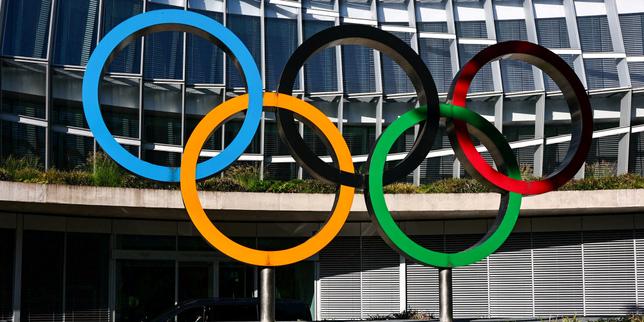
The International Olympic Committee tried to walk a tightrope. It failed. By allowing Russian and Belarusian athletes back into international competition under a neutral flag, the IOC managed to anger absolutely everyone involved. Moscow calls the restrictions discriminatory. Kyiv calls the inclusion a betrayal.
It is a mess. A massive, bureaucratic, political mess. Recently making news recently: Zander Horvath and the BC Lions Expose the Sad Reality of a Broken Ottawa Franchise.
The reality behind this decision is not about peace or unifying the world through sport. It is about a governing body trying to protect its multi-billion-dollar product while pretending to hold the moral high ground. If you think this is a simple story of sports staying out of politics, you are missing the entire point.
The Reality of Competing Under a Blank Flag
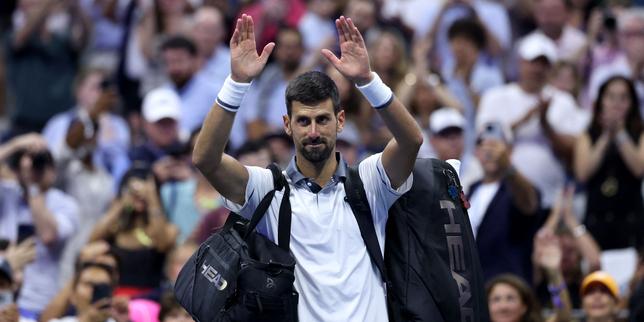
Let's look at what neutrality actually looks like on the ground. When these athletes compete, they do not exist as representatives of their homeland. They are designated as Individual Neutral Athletes. More insights into this topic are explored by Sky Sports.
They cannot wear the Russian tricolor. They cannot look at their national emblem. If they win a gold medal, a generic Olympic anthem plays instead of the one they grew up singing.
The restrictions go far deeper than just clothing. The rules explicitly ban any athlete who has actively supported the war in Ukraine. They also ban anyone contracted to the Russian or Belarusian military or national security agencies. For decades, CSKA Moscow and other military-linked clubs have formed the backbone of Russian Olympic talent. Stripping those athletes out completely changes the game.
The ban on team sports remains absolute. You will not see a Russian soccer, volleyball, or basketball team at the games. Only individual competitors can apply. This creates a strange, isolated environment for these individuals. They are elite competitors stripped of their sporting ecosystem, traveling to events without the massive logistical and medical backing of their national committees.
How the Screening Process Actually Works
The vetting process is not a simple background check. The IOC established an independent panel to review every single athlete who qualifies. This panel looks at public statements, press interviews, and social media activity.
If an athlete liked a pro-war post on social media, they are out. If they attended a rally supporting the invasion, they are out.
This level of scrutiny has driven sports federation officials crazy. International federations for gymnastics, wrestling, and tennis had to build their own parallel vetting systems. It created a logistical nightmare. Some federations fast-tracked approvals because they rely heavily on Russian television rights and sponsorship money. Others dug their heels in and refused to cooperate.
The system is full of holes. Human rights groups point out that checking public social media accounts does not capture private support or funding networks. Meanwhile, Russian officials claim the vetting is an illegal political screening designed to force their best talent to defect.
Why Geopolitics Always Wins in the Olympic Committee
The IOC loves to talk about the Olympic Charter. They quote Pierre de Coubertin. They talk about uniting the world in peaceful competition.
That is the marketing script. The real driver is power and survival.
Historically, the Olympics have never been politically neutral. The IOC banned Germany and Japan after World War II. They banned South Africa for decades during apartheid. The idea that sports and politics do not mix is a myth invented by officials who want to avoid making hard choices.
So why let them back now? The IOC feared a permanent schism in international sports. Moscow has already started organizing its own multi-sport events, inviting allied nations to compete in the BRICS Games and the Friendship Games. The Olympic leadership panicked at the thought of a rival sporting bloc emerging. If a parallel sporting world develops outside the control of Western-based federations, the IOC loses its monopoly.
When you lose your monopoly, you lose your money. Broadcasters pay billions because the Olympics feature the best in the world. If a significant portion of those athletes leave to form their own circuit, the value of the Olympic brand drops.
The Massive Backlash From Both Sides of the Fence
Neither side is happy with this compromise. The Ukrainian government and its sports federations spent months lobbying for a total, unconditional ban. They argue that every Russian athlete is a tool of state propaganda, regardless of whether they wear a flag or a neutral gray track suit. When a neutral athlete wins, the state media in Moscow still claims the victory. The flag might be missing from the stadium rafters, but it is plastered all over the news in Moscow.
On the flip side, the Kremlin views the neutral status as an insult. Russian sports officials have actively pressured athletes to reject the invitations. They call the neutral uniform a "shameful outfit" and suggest that any athlete accepting it is turning their back on their country.
This leaves the athletes themselves in an impossible position. If they accept the neutral status, they risk being branded as traitors at home and losing their state funding, apartments, and post-career security. If they refuse, they throw away a lifetime of training for a four-year window that will never open again.
What This Means for the Future of International Sports
The precedent set here will govern the next decade of global athletics. We are entering an era where national identity at sporting events is negotiable. The individual neutral athlete framework is no longer a temporary fix for a specific crisis. It is a permanent tool in the governance toolbox.
Sporting federations must now adapt to this dual reality. You cannot just train athletes to run fast or swim hard anymore. Governing bodies have to employ compliance officers, geopolitical analysts, and social media investigators just to clear a starting block.
If you are a sports executive, your immediate move is to insulate your organization from political fallout by standardizing these vetting rules before the next conflict erupts. The era of the simple, flag-waving sports spectacle is gone. The blank uniform is here to stay, and everyone will just have to get used to the cold, corporate compromise it represents.