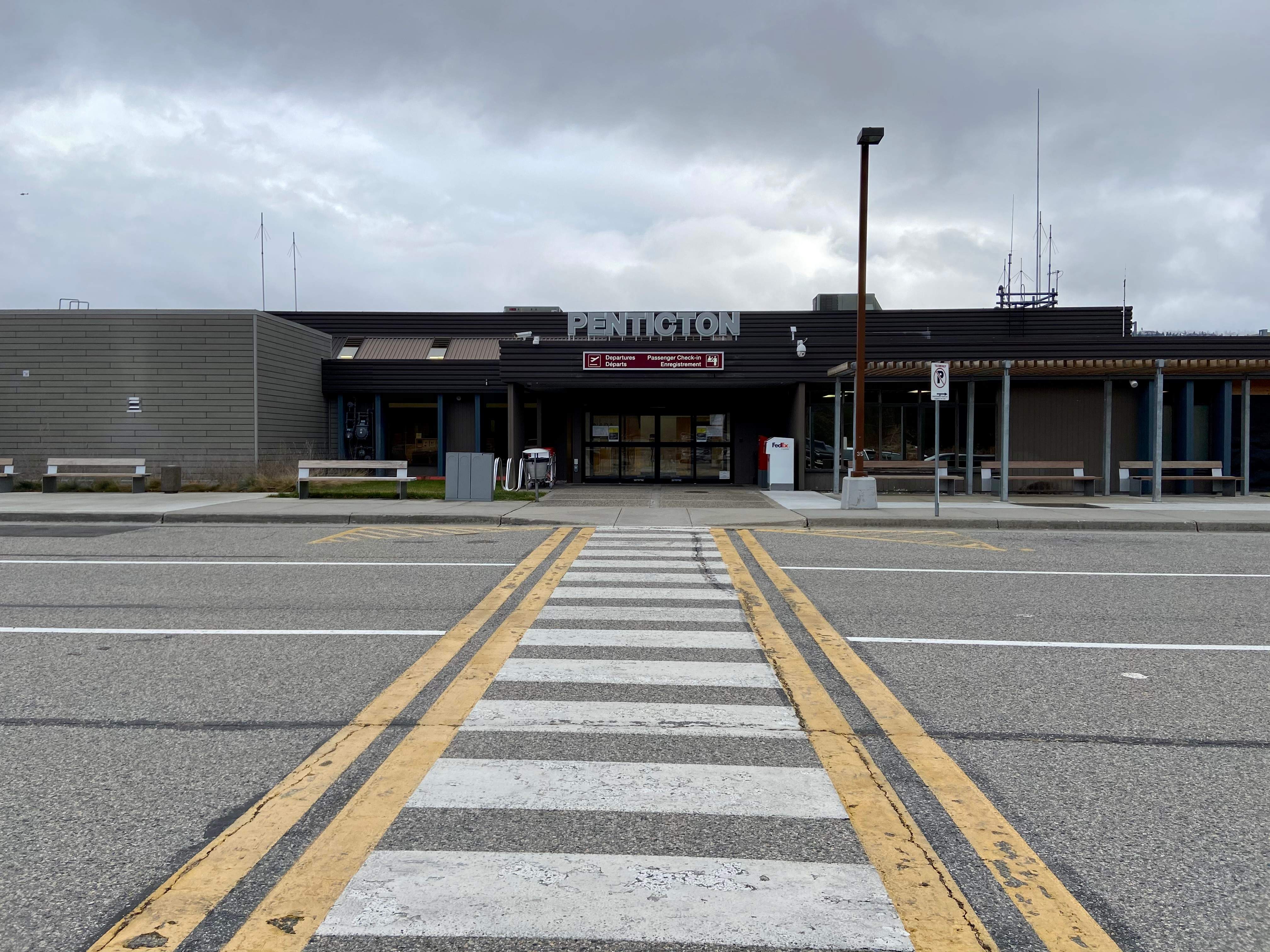
Municipal leadership in the Okanagan recently panicked over a proposal to jack up airport parking rates by four to five hundred percent. The local narrative writes itself. Greed. Gouging trapped travelers. A cash grab by an authority holding a regional monopoly on asphalt. Residents are sharpening pitchforks, local media is running outrage columns, and everyone agrees that charging more to leave a car in a gravel lot is an act of economic violence against hard-working flyers.
Everyone is wrong.
I have spent two decades advising municipal transit authorities and regional airport boards across North America. I have watched city councils subsidize asphalt while crying about budget deficits, blind to the basic mechanics of urban economics. Subsidized airport parking is not a public service. It is a regressive wealth transfer from non-flying taxpayers to people who own cars and book flights to Puerto Vallarta.
If Penticton wants a regional airport that actually connects to global hubs without bleeding municipal tax dollars, a five-hundred-percent parking rate hike isn't a penalty. It's a rescue operation.
The Subsidized Asphalt Fallacy
Let us look at the lazy consensus. The public argument assumes that an airport parking lot is a utility, akin to a public park or a library. It is not. It is a high-cost commercial asset occupying prime real estate adjacent to a runway.
When a regional airport prices its stalls at bargain-basement rates, something predictable happens. Locals use the lot for long-term storage, carpooling staging grounds, or cheap commuter parking while they avoid paying for actual transit integration or private shuttles. Meanwhile, the real cost of maintaining, snow-clearing, lighting, and repaving that asphalt falls squarely on the municipal tax base.
Let us run the numbers. A standard parking stall requires roughly three hundred square feet of paved space, factoring in drive aisles and turning radiuses. In a smaller regional market, land and construction costs for commercial paving run north of fifty dollars per square foot. Every single stall represents a capital investment of fifteen thousand dollars before a single car parks on it. Add ongoing maintenance, property taxes, liability insurance, and winter operations, and municipal budgets take a perennial bath.
When local politicians freeze parking fees to appease voters, they are effectively taxing the elderly resident in a downtown condo who has not owned a car in a decade to pay for the privilege of a vacationer leaving a Honda Civic unattended for two weeks.
That is not equity. That is a subsidy for people wealthy enough to fly.
The Scarcity Myth and Capacity Reality
Critics of the hike argue that Penticton is not Vancouver or Calgary. They claim that raising rates prices out ordinary families.
This argument ignores the basic laws of supply and demand. Regional airports do not suffer from a lack of parking space; they suffer from mispriced parking. When a good is underpriced, demand spikes artificially. Travelers circle lots looking for spots, airports waste capital expanding footprint into green space or tarmac extensions, and congestion spikes during peak summer weekends.
By charging market rates, turnover increases. Spots open up for actual passengers with urgent travel needs. Pricing reflects true scarcity.
Imagine a scenario where a local family driving down from Summerland finds an empty, secure spot waiting for them every single time they arrive, rather than navigating a jammed lot full of long-term vehicles abandoned by bargain hunters. That reliability has value. Yet municipalities refuse to charge for it, preferring chronic shortages managed by artificial constraints.
I have seen regional boards blow millions on land acquisition and expansion projects because their parking was priced at ten dollars a day, creating an illusion of overwhelming demand. Once they adjusted rates to reflect regional economic realities, utilization smoothed out instantly, and the capital projects were shelved. The asphalt didn't need to grow. The pricing just needed to tell the truth.
The Alternative Nobody Wants to Discuss
If you oppose higher parking fees, you are advocating for higher property taxes. It really is that simple. Municipalities operate on tight levy caps. Every dollar spent maintaining underpriced parking infrastructure is a dollar pulled away from policing, water treatment, or community housing.
Instead of treating a parking rate hike as an assault on tourism, we should treat it as an overdue correction. Airports are economic engines. They should pay for themselves. If an airline route cannot survive unless the city subsidizes the car stalls of its passengers, that route is economically unviable.
The real question people should be asking is not why parking is getting so expensive, but why it was ever allowed to be so cheap for so long.
To fix regional air travel in secondary markets, we must break the addiction to municipal subsidies. Let the parking lots generate real revenue. Use those funds to upgrade terminal facilities, attract new airline partnerships, or lower landing fees for carriers trying to establish year-round service.
Stop treating asphalt as a public charity. Let the cars pay their way, or leave the keys at home.