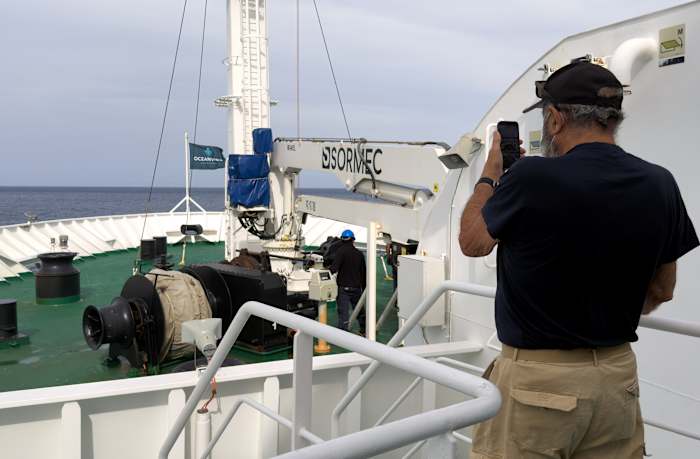
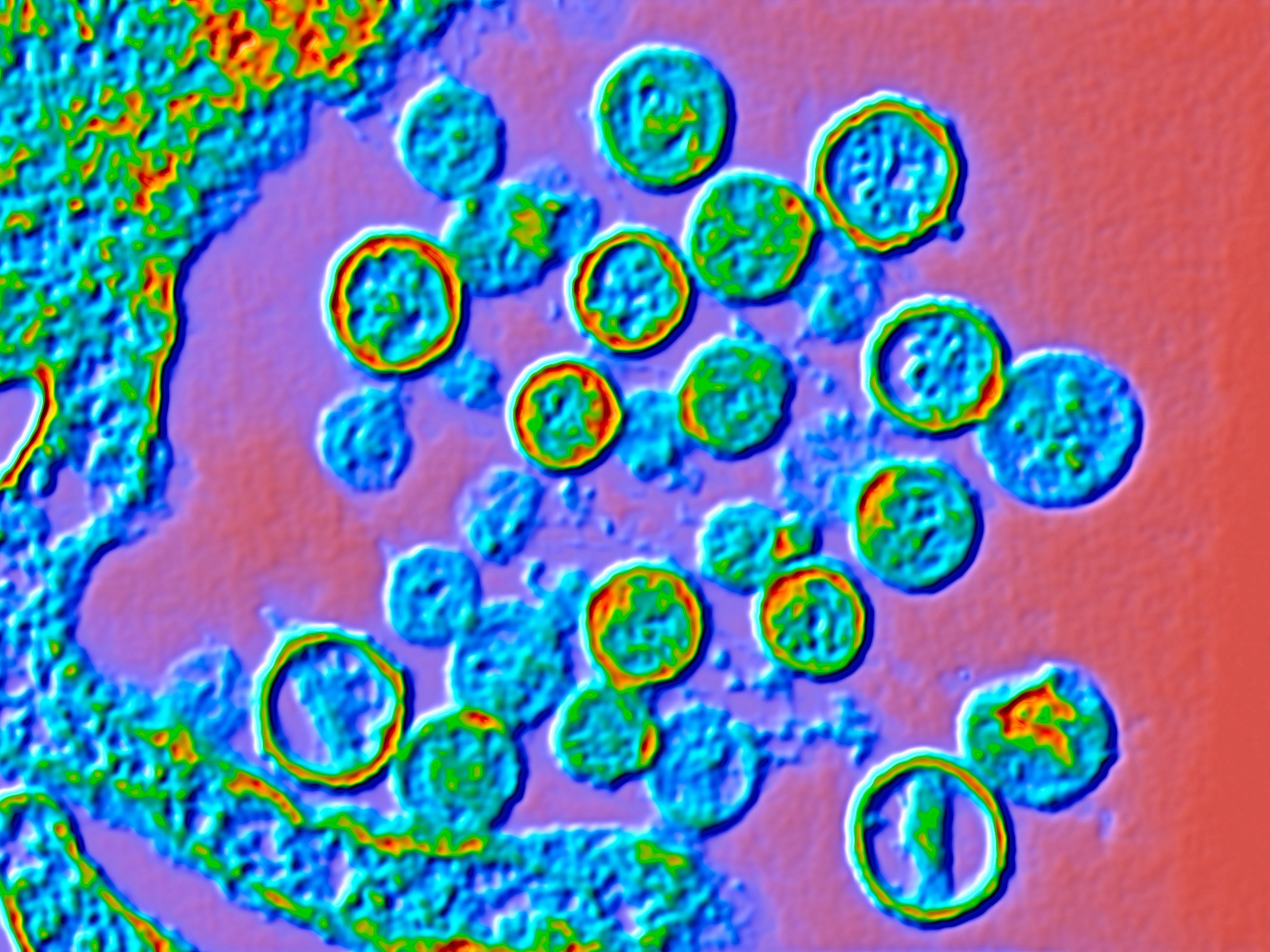
The arrival of a cruise vessel carrying Hantavirus Pulmonary Syndrome (HPS) to the Canary Islands represents a breakdown in the tiered defense systems of international maritime health. Standard quarantine protocols often fail because they treat biological threats as static variables rather than dynamic logistical risks. To manage this crisis, authorities must move beyond reactionary isolation and address the three specific failure points in the containment chain: incubation-period blind spots, aerosolization risks in centralized HVAC systems, and the jurisdictional friction between port authorities and vessel operators.
The Biological Profile of Hantavirus in Maritime Environments
Hantavirus is primarily a rodent-borne pathogen, typically transmitted to humans through the inhalation of aerosolized virus particles from dried excreta. In a terrestrial setting, the risk is localized. On a cruise ship, the risk becomes systemic.
http://googleusercontent.com/image_content/201
The viral load within a closed vessel is governed by the Volume-to-Ventilation Ratio. Unlike more common maritime illnesses like Norovirus, which relies heavily on fomite (surface) transmission, Hantavirus demands an analysis of the ship’s airflow.
- Vector Introduction: The presence of the virus implies a failure in the vessel’s Integrated Pest Management (IPM). Rodent infiltration typically occurs during provisioning in tropical or semi-tropical ports.
- Incubation Asynchrony: HPS has an incubation period ranging from one to eight weeks. This creates a "latency gap" where a ship can pass multiple inspections while harboring an active, though asymptomatic, biological threat.
- Aerosolization Mechanics: While human-to-human transmission is rare (limited primarily to the Andes strain), the concentration of rodent dander in a ship's crawl spaces or ductwork creates a continuous exposure loop for both crew and passengers.
The Economic and Logistical Cost Function of Quarantine
The decision to deny entry or enforce offshore quarantine is not merely a medical one; it is a calculation of Total Incident Cost (TIC). The Canary Islands, as a tourism-dependent archipelago, face a binary risk model.
$TIC = C_{quarantine} + C_{reputation} + C_{secondary_spread}$
- C_quarantine: The direct cost of medical supplies, security cordons, and vessel idling fees.
- C_reputation: The long-term decay in tourism booking confidence, which often persists for 12–24 months following a highly publicized "plague ship" event.
- C_secondary_spread: The catastrophic economic cost if the virus breaches the port and enters the local rodent population, potentially establishing a new endemic reservoir in Spain.
The Canary Islands’ specific geography—as an isolated volcanic chain—makes the C_secondary_spread variable particularly high. If the virus jumps from the vessel to the local Mus musculus or Rattus populations, the environmental cleanup costs would be functionally infinite.
Structural Failures in Port Entry Protocols
The current crisis highlights the inadequacy of the Maritime Declaration of Health (MDH). This document relies on self-reporting by the ship's Master, creating a conflict of interest between public health and the commercial pressure to maintain itinerary schedules.
The Information Bottleneck
A ship's medical officer is often a generalist, not an epidemiologist. Early symptoms of HPS—fever, myalgia, and fatigue—are indistinguishable from common influenza or even seasickness. By the time respiratory distress (the hallmark of the pulmonary stage) manifests, the vessel has likely integrated with multiple port facilities, turning a single point of infection into a multi-node distribution network.
Resource Misallocation in the Canary Islands
The Canary Islands’ healthcare infrastructure is designed for high-volume, low-complexity tourist needs. A Hantavirus outbreak requires Level 3 or 4 Bio-containment facilities and advanced extracorporeal membrane oxygenation (ECMO) units, as the mortality rate for HPS can exceed 35%. The surge capacity of Las Palmas or Santa Cruz de Tenerife is quickly exhausted if more than a handful of cases reach the critical stage simultaneously.
Strategic Response Framework for Maritime Pathogens
To mitigate the current situation and prevent a recurrence, a Decoupled Containment Strategy is required. This replaces the "all-or-nothing" approach to docking with a graduated risk-assessment scale.
Phase 1: Zone-Based Triage
Instead of allowing the ship to dock at a primary commercial pier, the vessel must be diverted to a "Grey Zone"—a designated deep-water anchorage with restricted airflow toward land. This minimizes the risk of aerosolized particles reaching shore-side populations via wind currents.
Phase 2: Biological Load Testing
Authorities must bypass the ship's self-reported data. Environmental swabs of the vessel’s HVAC filters and food storage areas provide a more accurate "Viral Signature" than individual passenger screenings. If the RNA of the virus is detected in the ventilation system, the entire vessel must be treated as a single infected organism.
Phase 3: Controlled Extraction
High-risk individuals must be extracted via negative-pressure transport units. The remaining population should undergo a stratified quarantine based on their proximity to the "Ground Zero" cabin or work area.
The Jurisdictional Conflict of the High Seas
A significant bottleneck in the Canary Islands incident is the "Flag State" vs. "Port State" legal friction. If the ship is flagged in a jurisdiction with lax health regulations, the Port of Spain faces a legal hurdle in enforcing a forced quarantine without a formal declaration of a public health emergency. This delay provides the virus with the most critical resource: time.
The lack of a standardized, real-time biological monitoring system on cruise ships means that by the time Spain "braces" for the ship, the window for effective containment has already narrowed by 40-60%.
Future-Proofing Maritime Health Security
The Canary Islands must pivot from a "Gateway" model to a "Sieve" model of maritime management. This involves:
- Mandatory Bio-Sensors: Integrating PCR-based air sampling into the exhaust systems of large passenger vessels.
- Rodent-DNA Sequencing: Requiring ships to provide proof of "Genetic Clearance" for rodents found on board, identifying their origin and potential viral carriage before the ship enters the Exclusive Economic Zone (EEZ).
- Differential Port Fees: Implementing a tax on vessels that do not meet advanced biological safety standards, using the revenue to fund local specialized ICU units.
The strategic play for the Canary Islands is not to simply wait for the ship to arrive and hope for the best. It is to establish a Biological Exclusion Zone that forces the cruise line to internalize the costs of their failed pest management. Spain must demand the vessel provide a verified "Vector Path" analysis—a document detailing exactly where the rodent infiltration occurred—as a condition of approaching the coast. If the vessel cannot prove it has neutralized the aerosolization risk within its ventilation system, the only logical move is a mid-sea transfer of the critically ill, followed by an immediate return of the vessel to its port of origin. Containment is not about kindness; it is about the cold, hard math of protecting the mainland's biological integrity.