The air inside a wide-body aircraft at thirty-five thousand feet smells of nothing and everything. It is a recycled breath of dry metal, faint traces of roasted chicken, and the nervous perspiration of three hundred strangers hurtling through the stratosphere. We surrender ourselves to this metal tube with a peculiar kind of trust. We hand our boarding passes to a stranger at the gate, drop our bags into the belly of the beast, and assume that the invisible walls holding back the atmosphere will hold.
We forget that we are not the only ones traveling. You might also find this connected article interesting: The Real Cost of Booking This Season's Hottest Hotel Openings.
Somewhere in the dim, humid cargo hold, or tucked away in the damp condensation of a wheel well, another passenger has checked in without paying a fare. It does not need a passport. It does not clear customs. It weighs less than a single milligram, carries no luggage, and possesses a singular, ancient ambition: to find a warm pulse.
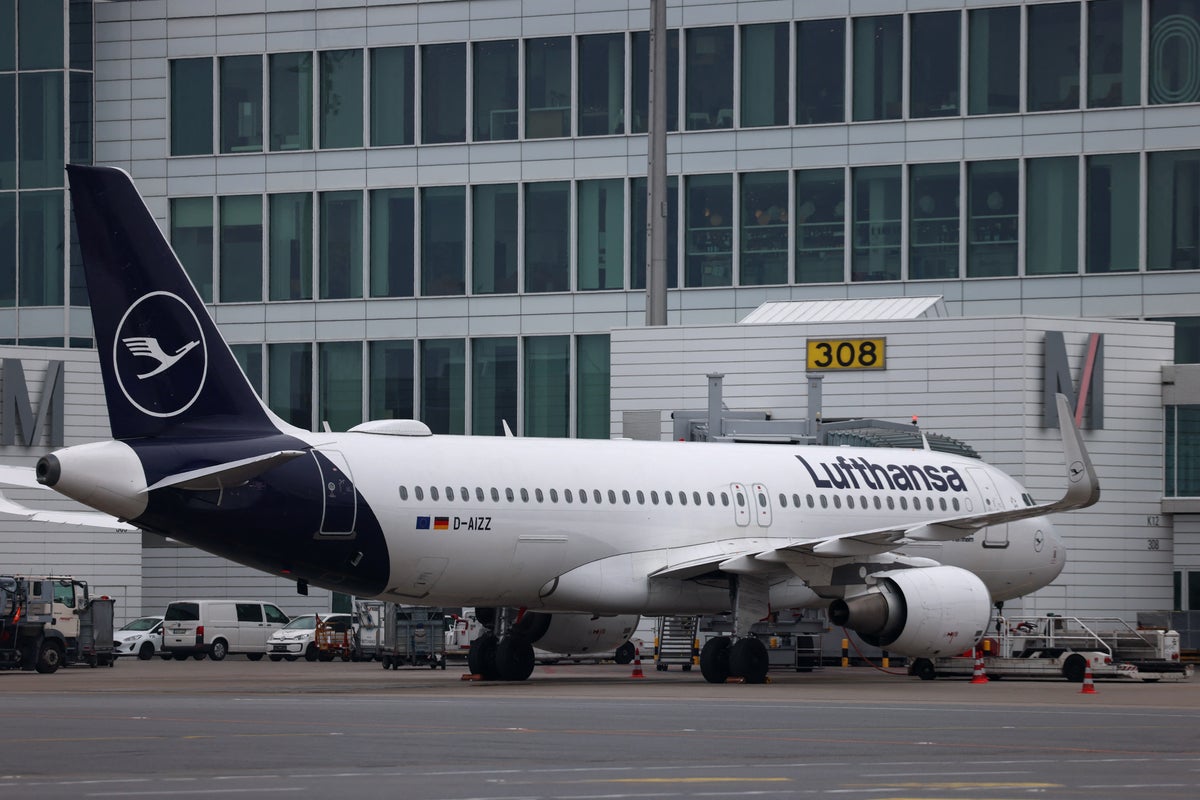
Consider what happened on the tarmac in Frankfurt. As highlighted in recent articles by The Points Guy, the effects are significant.
To the ground crew, a shift is measured in aching knees, the roar of jet turbines shaking the concrete, and the relentless ticking of a clock. They are the invisible machinery of modern flight. They marshal the giants in, chock the wheels, and unload the cargo containers before the engines have even fully cooled. On a routine day, it is heavy, honest labor under the harsh glare of halogen floodlights.
Then came the bite.
It felt like nothing at first. Just a tiny prick against the wrist beneath the cuff of a high-visibility vest—a momentary distraction in the middle of a busy night. In the grand ecosystem of an international airport, a mosquito is as unremarkable as a speck of dust. We swat at them without looking. We curse the summer humidity. We assume they belong to the local soil, hatched from a stagnant puddle behind the cargo sheds.
They did not belong to Frankfurt.
They had arrived on a wide-body jet, hitching a transcontinental ride from a tropical zone thousands of miles away. Sealed inside the climate-controlled belly of the aircraft, sheltered from the ferocious sub-zero temperatures and bone-crushing winds of high-altitude flight, these stowaways survived. When the cargo doors cracked open to the European night, they stepped out into a new world, carrying an invisible cargo of their own.
Malaria.
The word sounds archaic, like something pulled from the yellowed pages of nineteenth-century exploration journals. We associate it with steamy jungles, quinine bottles, and mosquito nets draped over iron bedframes in distant latitudes. We do not associate it with the tarmac of a bustling European aviation hub. We do not expect it to wait for us between terminal gates.
When the fever hit the first worker, it masqueraded as the common flu. That is the insidious genius of the parasite. It whispers before it strikes. It begins with a dull ache behind the eyes, a sudden shiver that no amount of heavy blankets can shake, and a spike in temperature that feels like a furnace burning from the inside out.
(Note: To understand the mechanics of this descent, imagine a microscopic saboteur infiltrating a highly complex manufacturing plant. Every red blood cell is a delivery truck, and the parasite does not merely hijack the vehicle; it shatters it from within, clogging the vital pathways of the body until the engines stall completely.)
By the time the diagnosis was confirmed, the disease had already outpaced the medicine.
Two men went to work. Two men came home with a microscopic invader. And two men lost their lives in a hospital bed, victims of a journey they never booked.
The shock waves rippled quietly through the airport community. Mechanics and baggage handlers stared at the wings of incoming jets with a new, unsettling awareness. Every condensation drip, every puddle of standing water near the cargo bays, every stray insect buzzing around the cabin lights suddenly transformed from a minor annoyance into a potential vector of mortality.
How does a globalized world defend itself against an enemy that fits inside a droplet of water?
For decades, aviation health authorities have relied on aircraft disinsection—spraying cabins with specific insecticides before or during flight. But cargo holds, wheel wells, and the complex mechanical cavities of modern aircraft are vast, shadowy labyrinths. They are not always reached by routine sprays. As global temperatures creep upward, expanding the geographical range where tropical mosquitoes can thrive and breed, the borders we thought protected us are beginning to blur.
A plane is no longer just a vehicle moving people from point A to point B. It is a biological bridge. It collapses distance so thoroughly that a pathogen incubating in a human host on one side of the planet can land on the opposite side before the fever even reaches its peak.
We look up at the sky and see progress. We see white contrails slicing across the blue, connecting families, economies, and cultures in a matter of hours. We marvel at the engineering required to lift four hundred tons of aluminum into the clouds.
Yet, standing beneath those same wings in the damp chill of a Frankfurt night, the illusion of absolute safety shatters. The world is smaller than we care to admit. The walls we build—customs forms, passport controls, security gates—are designed to stop human intentions, not biological inevitabilities.
The next time you board an international flight, take a moment to look out the small oval window as the plane taxies toward the runway. Watch the ground crew in their reflective vests waving goodbye against the roar of the turbines. They are the guardians of our global transit, standing on the front lines of a war we rarely see, waged against an enemy we can barely perceive.
The engines whine, the fuselage trembles, and the wheels lift off the concrete. Somewhere in the dark, a silent passenger holds on tight, waiting for the descent.