The teacup started dancing first. It was a cheap, ceramic mug from a souvenir shop in Manila, filled with instant coffee that was rapidly growing cold. Then the floorboards began to groan, a deep, primal sound that didn't come from the house, but from the very earth beneath it.
For anyone sitting in a comfortable armchair in London or Manchester, reading about a magnitude 6.7 earthquake on a smartphone screen, the numbers are just data. They are abstract measurements on a Richter scale, distant and sterile. But when you are standing on an island in the Philippines, thousands of miles away from home, those numbers translate into a terrifying reality. The world loses its solidity.
The UK Foreign, Commonwealth & Development Office (FCDO) recently issued an urgent travel warning for British nationals heading to or currently in the Philippines. It followed a massive seismic event that rattled the southern island of Mindanao. Official advisories talk about monitoring local media, following the advice of local authorities, and checking insurance policies.
They rarely talk about the sudden, paralyzing silence that hits a crowded room right before the shaking starts.
Consider the reality of a holiday turned upside down. You save for a year. You brave the twenty-hour flight. You finally find yourself sitting on a pristine beach, the turquoise waters of the Pacific lapping at your feet. Your biggest worry is supposed to be whether you applied enough sunscreen or if you should order another mango shake.
Then, the ground shifts.
The immediate aftermath of a major earthquake isn't like the movies. There are rarely massive fissures swallowing cars whole. Instead, there is confusion. Power grids fail instantly, plunging modern resorts into darkness and cutting off the air conditioning that keeps the tropical heat at bay. Mobile phone networks choke as thousands of people try to call their loved ones at the exact same time.
Suddenly, that smartphone in your hand—your lifeline, your map, your translator—becomes a useless slab of glass and metal.
This is where the true stakes of a foreign office alert become clear. It is not bureaucratic red tape. It is a roadmap for survival when you are a stranger in a strange land. The FCDO's warning specifically highlights the risk of aftershocks, which can be just as destructive as the initial quake, weakening structures that are already compromised.
Worse still is the invisible threat that follows oceanic earthquakes: the tsunami.
When the seabed moves, it displaces billions of gallons of water. On the shore, the first sign isn't a giant wave on the horizon. It is often the opposite. The tide recedes at an unnatural speed, exposing coral reefs and flopping fish that were underwater just moments before. To an unsuspecting tourist, it looks like a strange natural phenomenon, a photo opportunity. To a local, it is a screaming siren to run for high ground immediately.
Navigating an emergency abroad requires a shift in mindset. You have to shed the passive skin of a tourist and adopt the hyper-awareness of a survivor.
The first step happens long before you pack a bag. Registering your travel plans with the government isn't about state surveillance; it is about ensuring someone knows you are missing if the worst happens. It means that when rescue teams are coordinating with local governors, your name is on a list of people who need to be accounted for.
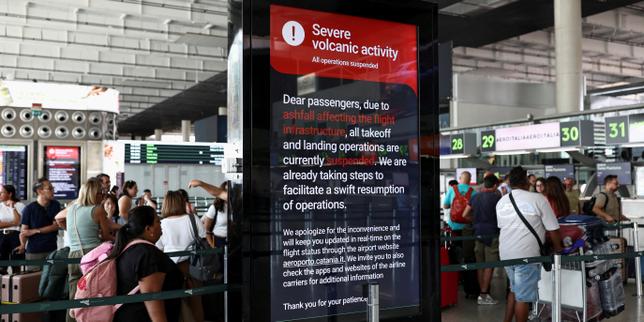
Look at the logistics of a crisis zone. Airports often close temporarily to assess runway damage. Roads crack or become blocked by landslides, trapping people in remote coastal towns. If you are stuck in a rural province, the British Embassy in Manila cannot simply send a car to pick you up. You are reliant on local emergency services, who are already stretched to their absolute limits trying to save their own citizens.
Trust becomes your currency. You have to trust the hotel staff who are telling you to evacuate to the roof, even if you want to run outside. You have to trust the local radio broadcasts, even if you can only understand every third word.
The temptation in a crisis is to panic, to pack your bags and rush to the nearest transit hub. But movement can be dangerous. Flying debris, falling concrete, and compromised bridges make the streets hazardous long after the initial shaking stops. Often, the safest course of action is to stay exactly where you are, conserve your bottled water, and wait for verified updates.
The Philippines sits squarely on the Pacific Ring of Fire, a horseshoe-shaped belt of intense seismic and volcanic activity. It is a country defined by its breathtaking beauty, forged by the very forces that occasionally threaten to destroy it. The people who live there possess a profound, inspiring resilience. They rebuild, they smile, and they move forward because they have no other choice.
But as a visitor, you are a guest in this volatile paradise.
When the Foreign Office changes its travel advice, it is a reminder of our own vulnerability. It strips away the illusion that a holiday destination is a theme park designed purely for our amusement. It forces us to acknowledge that nature does not care about our itineraries, our non-refundable hotel bookings, or our return flights.
The dust eventually settles. The power returns, the flights are rescheduled, and the beaches are cleared of debris. For the locals, the long process of rebuilding lives begins. For the travelers who experienced the tremor, the souvenir mug from Manila takes on a completely different meaning.
It sits on a kitchen shelf back in a quiet, stable British suburb. It no longer just holds coffee. It serves as a silent testament to the day the earth forgot how to stand still, and how fragile the ground beneath our feet truly is.