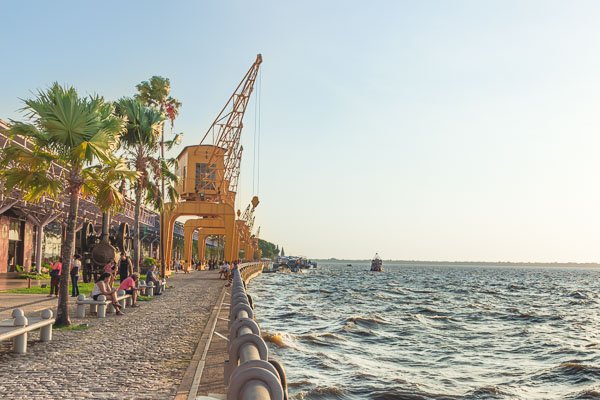
You can't look at the Atlantic Ocean from the port of Arguineguín without thinking about the ghosts. It's a gorgeous stretch of water in Spain’s Canary Islands, but for thousands of desperate people, it’s a massive, watery graveyard.
On Thursday, Pope Leo XIV stood at that exact harbor on the island of Gran Canaria and did something deeply uncomfortable for the political leaders watching him. He didn't offer empty, polite platitudes. Instead, he stood beside two young migrants, looked out at the rolling waves, and threw a heavy bouquet of flowers into the sea.
It was a stark, silent tribute to the thousands of West African migrants who have drowned trying to reach European soil on unseaworthy wooden boats. The gesture wasn't just a photo op. It was a calculated, theological strike against what the Vatican calls the globalization of indifference. If you think the European migrant crisis is yesterday’s news just because arrivals dropped early this year, you're missing the bigger, much more dangerous picture.
The Haunting Legacy of the Dock of Shame
Arguineguín wasn't chosen by accident. Back in 2020, this exact pier became known across Spain as the "dock of shame." Over 2,700 people were crammed onto the concrete under makeshift tents in squalid, sub-human conditions during a massive spike in arrivals.
Local volunteers worked themselves to the bone, but the official response was a bottleneck of human misery. On Thursday, local groups draped a massive banner over the port renaming it the "Dock of Hope." Yet, the scars remain fresh.
Standing next to a simple blue cross fashioned from the splintered wood of a shipwrecked migrant boat, Pope Leo didn't mince his words. He pointedly reminded the crowd that monsters still lurk in these waters. He wasn't talking about mythical sea creatures. He explicitly called out human traffickers, smuggling mafias who enslave women and children, and the broader political establishment whose collective apathy allows the poor to be swallowed by the ocean.
"Human dignity has no passport," the Pope stated to a crowd of emotional rescue workers and volunteers. "It does not lose its value when crossing a border."
This visit is historical because it marks the first time a sitting Pope has ever set foot in the Canary Islands. It also fulfills a dying wish of his predecessor, Pope Francis, who passed away in 2025 after trying for years to arrange a trip to this specific Atlantic hotspot. Leo is executing a playbook that Francis started, but he’s doing it with an edge that is making a lot of Western politicians sweat.
Why the Atlantic Route is a Silent Killer
A lot of folks get the geography wrong here. They focus entirely on the Mediterranean route from Libya to Italy. But international maritime experts consider the Atlantic crossing from the coast of West Africa to the Canary Islands to be far more lethal.
The Atlantic Ocean is brutal. The currents are unpredictable, the distances are massive, and the vessels used are often nothing more than oversized wooden canoes called cayucos. When an engine dies in the open Atlantic, the boat doesn't drift toward shore. It gets swept out into the empty, endless ocean where people die slowly of dehydration.
- According to the International Organization for Migration (IOM), nearly 1,200 people died or vanished on this specific route last year alone.
- Local humanitarian groups estimate the true death toll is easily double or triple that number, as many boats vanish without a trace.
- In 2024, arrivals to the archipelago peaked at a staggering 47,000 people.
We've seen a massive drop in arrivals during the first five months of 2026, with just over 3,000 people making it to the islands. But don't let those numbers fool you into thinking the problem is solved. The drop is the result of heavy-handed financial deals and border-tightening pacts between the European Union, Madrid, and West African governments.
Basically, Europe paid to push its borders further south. The desperation hasn't changed; the people are just getting blocked or dying further upstream where the cameras can't see them.
The Conflict with Right-Wing Politics
What makes Leo's stance so spicy is the timing. He’s delivering these unfiltered speeches right as Europe is aggressively turning to the right on immigration policy.
Just days before flying to the Canaries, Leo addressed the Spanish Parliament in Madrid. He demanded safe, legal pathways for immigration, a stance that flies directly in the face of growing populist demands across the West to seal borders entirely.
His remarks have already drawn sharp criticism from global conservative leaders, including US President Donald Trump, who has been fiercely executing his own irregular migration crackdowns since returning to the White House. Critics are openly telling the Pope to stick to theology and stay out of sovereign border security.
But Leo’s argument is that for a Christian, immigration is theology. You can't claim to follow the Gospel and ignore the bodies washing up on vacation beaches. Interestingly, during his most intense address at the port, the Pope skipped his usual nuanced lines about a nation’s right to control its own borders. He focused entirely on the human cost. He even listened to a gut-wrenching written testimony from a Nigerian human trafficking survivor who had her baby taken from her and was forced into prostitution upon arriving in Spain.
Moving Past Simple Indifference
It's easy to look at global migration as a math problem or a political football. But when you look at the numbers, you realize we're talking about a historic displacement of human beings driven by climate failure, economic collapse, and localized conflicts in West Africa.
If you want to understand the reality of this crisis beyond the headlines, you need to look at what actually works on the ground rather than what sounds good in a political debate. Shouting matches on television don't save lives at sea, nor do they help local island communities manage the sudden logistical strain of thousands of arrivals.
If you are looking to move past passive observation and understand or support the efforts happening on the ground, here are the most effective ways to engage with the reality of the situation:
- Support Frontline Search and Rescue: Organizations like Spain's Salvamento Marítimo and various non-governmental rescue groups are the ones actually pulling freezing people out of the water. Supporting secular and faith-based maritime rescue operations keeps ships fueled and crews equipped.
- Invest in Local Integration, Not Just Reception: The biggest mistake municipalities make is treating migration like a three-day emergency. The real work happens in long-term integration programs—language classes, job training, and legal aid—which turn a perceived crisis into a community asset.
- Look at the Root Causes: True progress requires paying attention to why people flee in the first place. Supporting sustainable development initiatives and fair-trade economic frameworks in West African nations is the only way to ensure people aren't forced to risk their lives on a cayuco just to survive.
The papal visit wraps up on Friday on the island of Tenerife, where Leo will visit a migrant housing facility. The flowers he dropped into the sea will drift away, but his challenge to the Western conscience remains sitting squarely on the dock. Sooner or later, every country bordering these waters will have to decide whether they are going to protect human life or simply get better at hiding the graves.