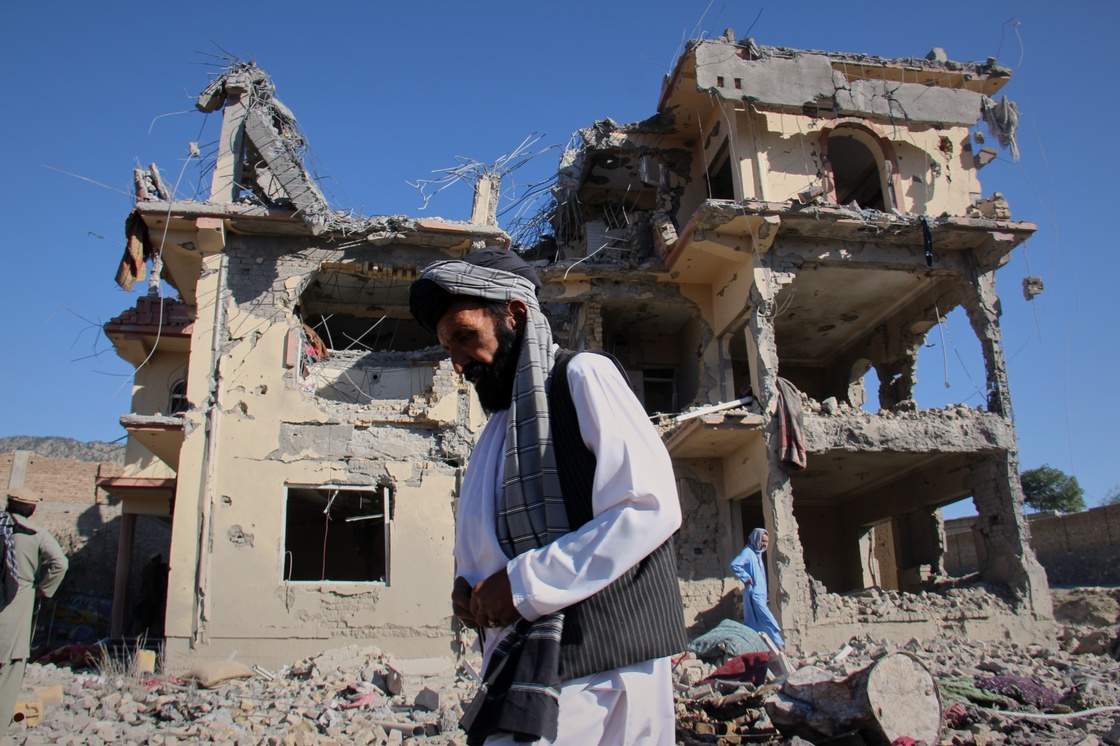
Cross-border violence doesn't happen in a vacuum, but the sheer human cost of the ongoing friction between Islamabad and Kabul has reached a grim milestone. Nearly 500 civilians are dead.
The United Nations Assistance Mission in Afghanistan released a stark accounting of the bloodshed. Between October and the end of June, fighting across the porous frontier left 499 civilians dead and 1,216 wounded. These numbers aren't just abstract statistics. They represent families shattered by artillery shells, homes reduced to ash, and a deteriorating security architecture that leaves ordinary people completely unprotected.
If you are trying to understand why two neighbors who share deep historical and cultural ties are locked in a devastating cycle of escalation, you have to look past the political rhetoric. Let's break down what is actually happening on the ground and why the international community is struggling to contain it.
The Root Cause of the Current Escalation
Tensions didn't spike overnight. Islamabad has spent years accusing Kabul of turning a blind eye to militant factions. Specifically, Pakistani authorities point fingers at the Tehrik-e-Taliban Pakistan, known commonly as the TTP.
The TTP shares ideological roots with the Afghan Taliban, who reclaimed power in Kabul back in 2021. Islamabad argues that these militants use Afghan territory as a safe haven to plan and execute deadly cross-border attacks inside Pakistan. Kabul denies these allegations entirely.
This blame game erupted into open hostility earlier this year. In February, Afghan forces launched a retaliatory raid into Pakistan after a series of Pakistani airstrikes hit inside Afghanistan. Islamabad responded by officially declaring an "open war" status along the frontier. Since then, diplomacy has completely stalled.
The Human Toll Behind the UN Report
The recent UNAMA report highlights the horrific mechanics of modern cross-border warfare. In one documented incident, civilians rushed to pull neighbors from the rubble of an initial airstrike, only to be struck by a second bombing moments later.
The most lethal single event occurred in March. A Pakistani airstrike targeted a drug treatment center in Kabul, killing hundreds of civilians. Human rights organizations like Amnesty International have pointed to the incident, demanding an independent investigation into whether the bombing constitutes a war crime.
Pakistan has largely declined to release comprehensive figures regarding civilian casualties on its own side of the border from this specific cross-border exchange. The UN mandate restricts its formal documentation to incidents occurring inside Afghanistan, meaning the total bilateral human cost of these clashes is likely even higher than reported.
Broader Human Rights Crisis in Afghanistan
The conflict with Pakistan isn't the only catastrophe unfolding inside Afghan borders. The UN report ties the security crisis to severe domestic crackdowns.
Protests erupted in western Afghanistan following aggressive new restrictions on women's clothing and public life. Local security forces met these demonstrations with lethal crackdowns. At the same time, authorities have implemented decrees that essentially legalize child marriage, compounding the despair for millions of citizens who feel abandoned by the international community.
What Happens Next
Diplomatic channels remain mostly dead. The Afghan Taliban government insists on sovereignty and rejects foreign pressure, while Pakistan feels cornered by persistent domestic security threats originating from the west.
International peace efforts have completely failed to bridge the gap. As long as both sides prioritize military posturing over intelligence-sharing and border governance, the body count will continue to rise. Real security will only arrive when both capitals acknowledge that civilian lives are not acceptable collateral damage in a proxy security struggle.


