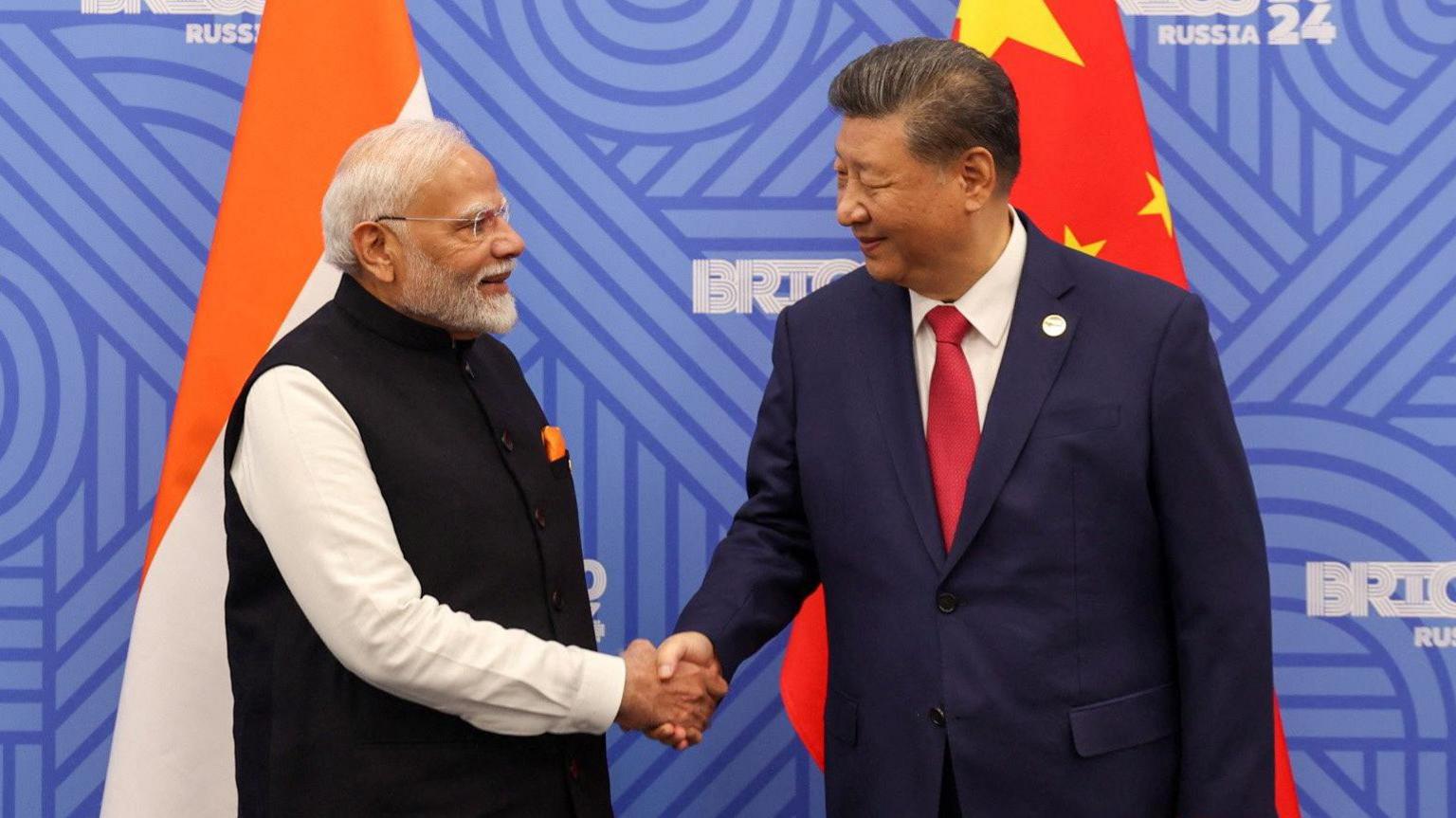
Statecraft used to mean something different behind closed doors. When New Delhi rolled out the red carpet for global leaders during the international summit, invitations went out across party lines. Yet the tables set for the chief ministers of Kerala, Telangana, Karnataka, and Tamil Nadu stayed empty.
Opting out of a major diplomatic banquet hosted by Prime Minister Narendra Modi isn't just a scheduling conflict. It has become a predictable script in Indian federal politics. But beneath the routine political posturing lies a deeper fracture in how regional parties interact with national platforms.
The Anatomy of a Boycott
When invitations for the gala dinner at Bharat Mandapam reached state capitals, the reaction from non-BJP leaders followed a familiar pattern of avoidance. Telangana Chief Minister Revanth Reddy pointed to active state assembly proceedings. Tamil Nadu Chief Minister C. Joseph Vijay was traveling abroad. Kerala's V.D. Satheesan cited prior commitments, while Karnataka's D.K. Shivakumar offered no immediate public clarity.
Critics argue that missing an international gathering of this magnitude means leaving economic diplomacy on the table. State leaders have a direct channel to pitch local investments, showcase regional tech ecosystems, and engage with foreign dignitaries. Bypassing these rooms means giving up influence where global deals get initial traction.
Yet, regional leadership views things through a different lens. For opposition parties, attending high-profile events hosted by the central administration often risks walking into a narrative trap. It blurs the line between institutional cooperation and political surrender. When trust between the Centre and opposition-governed states hits historic lows over fiscal distribution and federal rights, breaking bread for the cameras becomes politically toxic.
History Repeats Itself
This isn't an isolated incident. Think back to the G-20 summit dinner. A similar lineup of opposition chief ministers chose to stay away, drawing sharp criticism from the ruling party for letting partisan friction overshadow national prestige.
The ruling dispensation is quick to label these absences as proof of petty politics. Officials point out that global summits belong to the country, not to any single political party. From that perspective, snubbing a national host while international delegates watch sends a messy signal about domestic unity.
At the same time, opposition camps argue that federalism requires mutual respect, not just ceremonial attendance. They point to unresolved disputes over state funds, policy interventions, and perceived central overreach as reasons why diplomatic optics cannot mask structural grievances. When states feel sidelined in everyday governance, a gala dinner invitation feels less like an olive branch and more like a photo-op.
The Cost of Political Theater
Both sides lose something in this game. The Centre misses out on presenting a fully unified federal front to global superpowers. Meanwhile, regional leaders risk looking insular, prioritizing local point-scoring over international exposure.
As long as cooperative federalism remains a battleground rather than a shared practice, these empty seats at state banquets will remain the loudest statement in the room.
Why four Opposition CMs skipped BRICS dinner despite invite
This video provides a detailed breakdown of the political reactions and the underlying tensions surrounding the absence of opposition chief ministers from the high-profile national banquet.