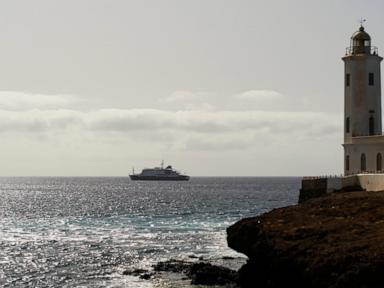
The containment of high-mortality viral pathogens within a closed-loop maritime ecosystem represents a catastrophic failure of biosecurity protocols. When a cruise vessel reports multiple fatalities linked to Hantavirus, the primary challenge is not merely medical treatment but the immediate management of a pressurized biological environment. Hantavirus, typically associated with terrestrial rodent vectors, presents a unique threat in the maritime sector because the ventilation systems of modern cruise ships are optimized for comfort and energy efficiency rather than the isolation of aerosolized viral particles.
The Epidemiology of Maritime Hantavirus
Hantaviruses are a family of viruses spread mainly by rodents. While most common in rural, land-based settings, the presence of three fatalities on a single vessel suggests a localized "super-spreader" event rooted in environmental contamination. To understand the risk, one must distinguish between the two primary clinical manifestations: Hemorrhagic Fever with Renal Syndrome (HFRS) and Hantavirus Pulmonary Syndrome (HPS). In similar news, read about: The Mount Everest of Shipwrecks Why Divers Risk Everything for the Andrea Doria.
The reported mortality rate suggests HPS, which carries a case-fatality rate of approximately 38%. The virus is transmitted to humans via the inhalation of aerosolized excreta—urine, saliva, or droppings—from infected rodents. In a cruise ship environment, the vector-to-human interface is typically obscured behind bulkheads, within food storage facilities, or inside the HVAC (Heating, Ventilation, and Air Conditioning) ducting.
The Vector-Pathogen Nexus
- Infiltration: Rodents typically enter vessels during dry-docking periods or via cargo loading in endemic port regions.
- Proliferation: The internal infrastructure of a ship provides a labyrinthine network of "dead zones"—areas with low human traffic and consistent temperatures—ideal for nesting.
- Aerosolization: Once excreta dry, any disturbance—mechanical vibration, cleaning activities, or air flow—suspends the viral particles in the air.
The specific danger of Hantavirus onboard is that it does not require human-to-human transmission to achieve high impact. Unlike Norovirus, which relies on fecal-oral or surface-to-surface contact, Hantavirus leverages the ship’s own air circulation as its primary delivery mechanism. Condé Nast Traveler has also covered this fascinating topic in great detail.
Tactical Breakdown of the Three Pillars of Containment
Managing a suspected Hantavirus outbreak on a vessel at sea requires a shift from hospitality management to biological incident response. The failure to execute these pillars leads to the "floating coffin" scenario, where the vessel is denied port entry and the viral load continues to increase within the hull.
I. Zone Isolation and Negative Pressure
The first objective is the immediate cessation of air recirculation in suspected zones. Most modern ships use a percentage of recirculated air to maintain cooling efficiency. In a Hantavirus scenario, this is a fatal design flaw. The vessel must transition to 100% outside air (OA) intake to purge the internal atmosphere. Affected cabins and crew quarters must be placed under negative pressure relative to the corridors to prevent the migration of aerosolized dust.
II. Vector Mapping and Elimination
Traditional pest control is insufficient. A data-driven approach requires "scout-mapping" to identify the specific rodent species, as only certain rodents carry specific Hantavirus strains (e.g., the Deer Mouse for Sin Nombre virus). Analysts must track the movement of food supplies and waste management streams to identify the epicenter of the infestation. Any area where fatalities occurred must be treated as a Bio-Safety Level 3 (BSL-3) zone.
III. Diagnostic Triage and Fluid Management
HPS moves with terrifying speed. The transition from "flu-like symptoms" to "respiratory failure" can occur in hours. The medical bottleneck on a cruise ship is the lack of Extracorporeal Membrane Oxygenation (ECMO) equipment, which is the gold-standard treatment for severe HPS. Without this, the medical team is limited to supportive care, specifically managing the "capillary leak" phase where the lungs fill with fluid.
The Structural Mechanics of Maritime Vulnerability
The cruise industry operates on a high-utilization model. Ships are rarely empty, and turnaround times in port are measured in hours. This creates a "Sanitation Deficit."
The logic of the sanitation deficit is a simple function of volume over time. As the complexity of the ship’s interior increases—with more themed restaurants, hidden wiring, and decorative cladding—the "cleanable surface area" decreases. Rodents exploit the gap between the decorative interior and the structural hull. This "void space" is almost never inspected or disinfected during routine turnarounds.
The Cost Function of Delayed Quarantine
A captain’s decision to delay a distress call is often driven by the catastrophic economic impact of a "Red Level" quarantine. However, the cost function of delay is exponential rather than linear.
- Phase 1 (Incubation): Costs are limited to individual medical care.
- Phase 2 (Cluster): Costs include lost revenue from isolated zones and potential litigation.
- Phase 3 (Outbreak): Costs include total loss of the voyage, brand devaluation, and the immense logistical expense of decontaminating a 100,000-ton asset.
By the time three individuals have died, the vessel has already entered Phase 3. The logic of the virus has outpaced the logic of the business.
Legal and Sovereign Jurisdictions: The Port State Bottleneck
The "waiting for help" status of a ship in international waters is a byproduct of the "Flag of Convenience" system. When a ship registered in one country, owned by a corporation in another, and carrying passengers from dozens more, faces a rare viral threat, port states often invoke the "Force Majeure" or "Public Health Emergency" clauses of the International Health Regulations (2005) to deny entry.
This creates a "biological stalemate." The port state refuses entry to protect its own population, while the ship remains a closed incubator. The resolution of this stalemate requires a bilateral agreement where the vessel is allowed to dock at a remote, industrial pier with direct access to a high-confinement medical facility, bypassing the general population.
Disinfection Protocols: The Chlorine Limitation
Standard cleaning agents are often ineffective against the lipid-enveloped Hantavirus when it is embedded in porous materials or heavy dust. The protocol requires a 10% bleach solution or professional-grade virucidal fogging. However, the corrosive nature of these chemicals poses a risk to the ship’s sensitive electronics and aluminum components. The operational trade-off is between total viral eradication and the structural integrity of the vessel’s bridge and engine control systems.
Identifying the Source: A Forensic Trace-Back
The investigation into the three deaths must focus on the "Common Source" theory. Were the victims from the same deck? Did they dine at the same venue? If the victims are dispersed across different demographics and locations on the ship, the source is likely the centralized HVAC system or a contaminated dry-goods store.
- HVAC contamination: Suggests a systemic risk to all passengers.
- Localized infestation: Suggests a specific breach in one galley or storage locker.
- Cargo-borne entry: Suggests the virus was introduced at the most recent port of call via contaminated pallets.
The Strategic Path Forward for Maritime Biosecurity
The presence of Hantavirus on a cruise ship is not a "freak accident"—it is a predictable outcome of globalized logistics meeting aging maritime infrastructure. To prevent the next "floating incubator," the industry must move toward a Real-Time Bio-Monitoring framework.
- HEPA-Grade HVAC Retrofitting: Implementation of high-efficiency particulate air (HEPA) filtration on all passenger decks to trap aerosolized pathogens.
- Rodent-DNA Surveillance: Regular testing of dust from air ducts for rodent DNA and viral RNA as part of the standard safety audit.
- Mandatory ECMO Access: Large-scale vessels (over 3,000 passengers) should be required to carry portable ECMO units and specialized respiratory therapists, given the distance from land-based tertiary care.
The current situation requires a decisive shift from maritime law to biological warfare logic. The vessel must be treated as a contaminated site. The immediate strategic move is the evacuation of all non-symptomatic passengers to a land-based quarantine facility, followed by a "Thermal Deep Clean" of the vessel—raising internal temperatures to levels that denature viral proteins while simultaneously deploying professional extermination teams to clear the void spaces between the bulkheads. Any hesitation in executing this total-reset protocol will only result in a higher casualty count and the permanent stigmatization of the asset.


