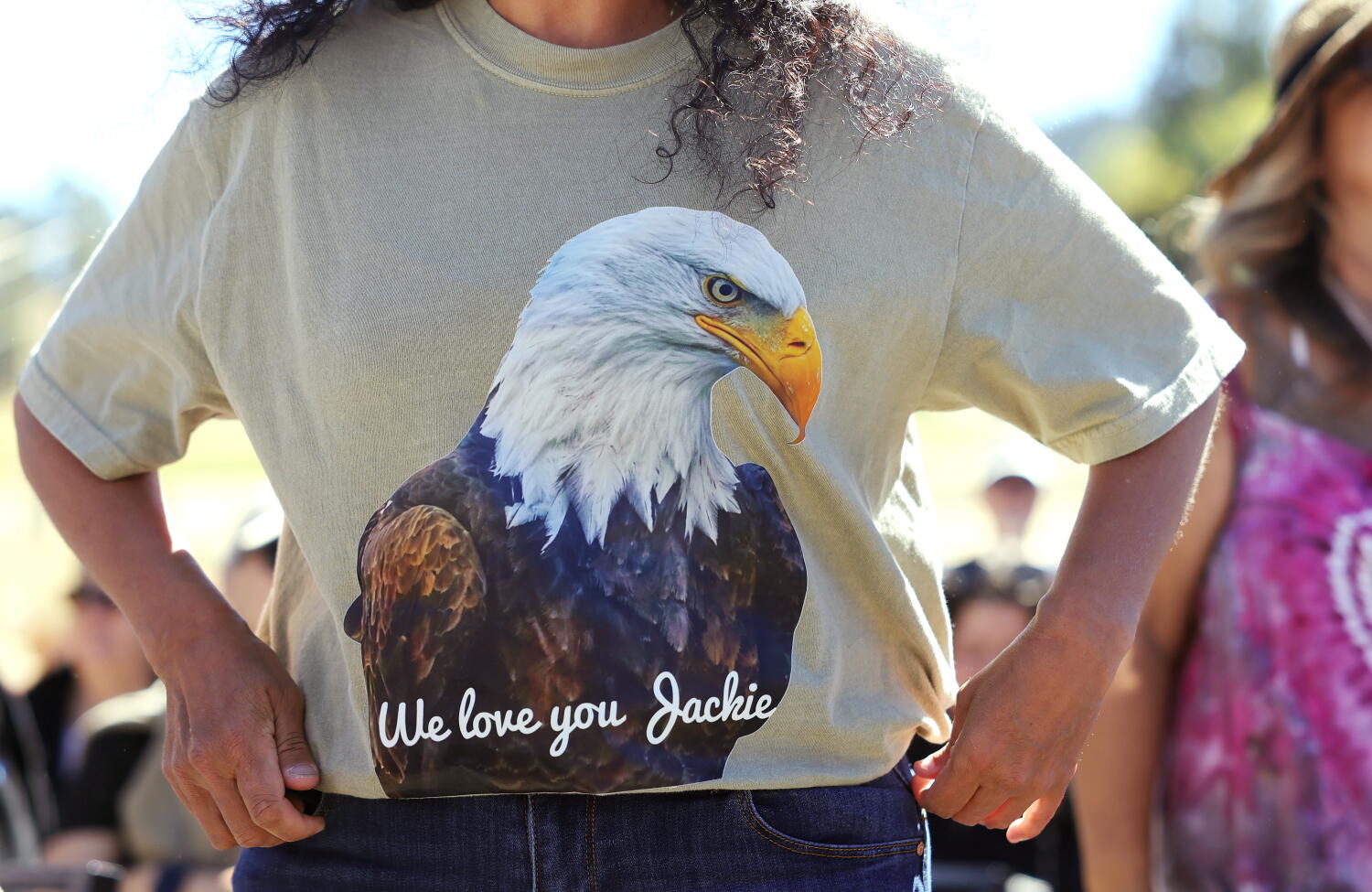
Public gratitude directed toward a wildlife rehabilitation facility following the treatment of a critically ill bald eagle is not merely a human-interest anomaly; it is the predictable output of symbolic capital colliding with specialized veterinary operations. When the Ojai Raptor Center treats an apex predator—specifically Haliaeetus leucocephalus, a species carrying immense legal and cultural weight—the resulting surge in public engagement exposes a fundamental friction in nonprofit management. Organizations built for low-margin, high-complexity biological triage must suddenly absorb massive spikes in reputational attention without allowing administrative overhead to cannibalize clinical capacity.
To understand how an avian trauma center converts a single clinical intervention into sustained institutional support, one must separate the emotional narrative from the underlying operational mechanics. Standard media coverage frames public outpouring as spontaneous goodwill. In reality, this phenomenon operates through distinct, quantifiable mechanisms: clinical triage protocols, regulatory compliance frameworks, emotional contagion economics, and donor conversion funnels. For a different look, read: this related article.
The Clinical Reality of Apex Avian Triage
Treating a compromised bald eagle requires an immediate shift from standard veterinary practice to high-stakes physiological stabilization. Unlike domestic animals, wild raptors mask symptoms of systemic failure until metabolic collapse is imminent. By the time a member of the public or a wildlife officer captures an eagle, the bird is typically suffering from severe dehydration, emaciation, secondary infection, or acute toxicity.
Primary Etiologies of Raptor Morbidity
In Southern California ecosystems, where the Ojai Raptor Center operates, an incapacitated bald eagle generally presents with one of four primary clinical profiles: Similar analysis regarding this has been published by USA Today.
- Heavy Metal Toxicosis: Lead ingestion remains the primary non-traumatic killer of scavenging raptors. Eagles consume gut piles or unrecovered game shot with lead ammunition. Even microscopic fragments dissolve in the highly acidic avian stomach, entering the bloodstream and inhibiting delta-aminolevulinic acid dehydratase, an enzyme critical for hemoglobin synthesis. The clinical presentation includes neurological deficits, gastrointestinal stasis, and green-stained urates.
- Anticoagulant Rodenticide Bioaccumulation: Second-generation anticoagulant rodenticides (SGARs) persist in the liver tissue of prey species. When an eagle consumes poisoned rodents or smaller scavengers, the compounds block vitamin K epoxide reductase, preventing blood clotting and causing fatal internal hemorrhaging following minor physical trauma.
- Anthropogenic Trauma: Collisions with vehicles along riparian corridors, electrocution on uninsulated power distribution lines, and entanglement in monofilament fishing line account for the majority of acute orthopedic injuries.
- Infectious Disease Vectors: Highly Pathogenic Avian Influenza (HPAI) and West Nile Virus periodically sweep through wild bird populations. A suspected viral presentation triggers immediate biosecurity lockdowns to prevent cross-contamination across the facility's patient population.
The Stabilization Sequence
The operational workflow upon intake follows a strict physiological hierarchy. Attempting diagnostics before stabilization induces fatal capture myopathy—a stress-induced metabolic acidosis that destroys skeletal and cardiac muscle fibers.
- Phase 1: Thermoregulation and Fluid Resuscitation. The bird is placed in a dark, quiet, temperature-controlled enclosure to minimize sympathetic nervous system arousal. Warmed isotonic fluids are administered subcutaneously or intraosseously to restore vascular volume before oral nutrition is attempted.
- Phase 2: Diagnostic Triage. Once perfusion stabilizes, clinicians draw blood for packed cell volume (PCV), total solids, and heavy metal testing. Radiographs identify fractures, metallic densities in the ventriculus, or soft tissue swelling.
- Phase 3: Targeted Intervention. For lead toxicosis, chelation therapy using calcium disodium versenate (CaEDTA) binds circulating lead ions for renal excretion. For orthopedic trauma, surgical pinning or external skeletal fixation aligns bone fragments while preserving the precise aerodynamic geometry required for flight.
Every hour spent managing an eagle demands disproportionate resource allocation. A single adult bald eagle requires specialized housing—typically large flight enclosures lined with vertical slats to prevent feather damage—and a strict diet of whole prey items (rats, quail, fish) to maintain gut microbiome integrity and beak wear.
Regulatory Architecture and Institutional Liability
A wildlife rehabilitation center does not own its patients. Under United States federal law, native birds fall under strict jurisdictional protections that dictate every phase of intake, treatment, and release.
The Statutory Framework
The Ojai Raptor Center operates under overlapping federal and state permits. The Migratory Bird Treaty Act (MBTA) prohibits the possession, transport, or treatment of native birds without explicit authorization from the U.S. Fish and Wildlife Service (USFWS). Bald eagles carry an additional layer of oversight under the Bald and Golden Eagle Protection Act (BGEPA).
This regulatory structure imposes rigid operational constraints:
- Mandatory Reporting: Every eagle intake must be logged with federal authorities, including precise GPS coordinates of discovery, suspected etiology, and chain-of-custody documentation.
- Euthanasia Thresholds: Unlike companion animal medicine, where quality of life can be maintained with permanent disabilities, wildlife regulations mandate euthanasia if an eagle cannot regain full flight capability and self-sufficiency. Maintaining a non-releasable eagle in captivity requires a separate federal education permit, rigorous facility inspections, and permanent financial endowments to cover decades of care.
- Release Authorization: A rehabilitated eagle cannot simply be opened to the sky. The release site must be vetted for prey availability, territorial saturation by resident breeding pairs, and absence of immediate hazards.
These legal realities create an asymmetrical risk profile for the facility. A successful rehabilitation yields high public praise, while a medically necessary euthanasia—or an unexpected death during chelation—can trigger severe public backlash if the community misunderstands the statutory boundaries governing wildlife medicine.
The Economics of Symbolic Capital
The surge of "thank you" messages reported in local coverage represents a measurable spike in symbolic capital. In organizational sociology, symbolic capital refers to the resources available to an individual or institution on the basis of honor, prestige, or recognition.
Species Bias in Public Engagement
Wildlife conservation suffers from severe charismatic megafauna bias. A rehabilitation center may admit three thousand songbirds, opossums, and common raptors annually with minimal public notice. Yet a single bald eagle generates exponential media amplification.
This disparity stems from three cognitive drivers:
- Nationalist and Cultural Semiotics: The bald eagle functions as a living emblem. Its physical vulnerability triggers a protective psychological response that mirrors concern for a cultural artifact.
- Narrative Clarity: Unlike systemic habitat loss—which is abstract, slow-moving, and lacks a single villain—a sick eagle presents a discrete, binary drama: survival versus death, mediated by identifiable human intervention.
- Moral Licensing: Expressing gratitude toward the rescuers allows the public to participate vicariously in conservation without altering personal behaviors (such as switching to non-lead ammunition or eliminating rodenticide use).
The Attention-to-Funding Conversion Bottleneck
While media coverage generates thousands of social media impressions and expressions of gratitude, emotional engagement does not automatically translate into operational liquidity. Nonprofit rehabilitation centers face a structural mismatch between their revenue model and their cost structure.
[Public Crisis Event] ---> [Media Amplification] ---> [Spike in Inbound Communications]
                                                                |
                                       +------------------------+------------------------+
                                       |                                                 |
                                       v                                                 v
                       [Administrative Bottleneck]                       [Donor Conversion Funnel]
                     (Staff diverted to answer calls)                 (Low % convert to recurring aid)
When an organization is "inundated" with messages, the immediate operational effect is often negative. Small rehabilitation centers operate with lean administrative staffs; often, the individuals answering phones, responding to emails, and managing social media comments are the same technicians responsible for preparing diets, cleaning enclosures, and administering medications. Unmanaged public attention acts as a distributed denial-of-service attack on clinical productivity.
Converting Gratitude into Institutional Resilience
To prevent public goodwill from becoming an operational drag, wildlife rehabilitation leadership must treat media spikes as a distinct business cycle requiring dedicated infrastructure. Relying on ad-hoc responses wastes the brief window during which public attention remains elevated.
1. Decouple Communications from Clinical Operations
The primary failure mode during a viral wildlife event is allowing public inquiries to penetrate the clinical firewall. Facilities must establish a tiered communication protocol:
- Automated Triage: Phone trees and email auto-responders must immediately route general inquiries and well-wishes to a static digital landing page, preserving live lines exclusively for active wildlife emergencies.
- Asynchronous Updates: Rather than answering individual requests for status updates, communications personnel should publish scheduled, data-rich clinical bulletins (e.g., detailing blood lead levels, weight gain in grams, or flight cage endurance metrics). Providing clinical specifics elevates the audience from passive spectators to informed stakeholders.
2. Restructure the Donor Funnel Around Unit Economics
Standard "donate now" appeals capture impulse micro-donations, which rarely sustain long-term operations. High-performing facilities translate clinical care into transparent unit economics during peak attention windows.
Instead of asking for general support, the organization should present itemized operational costs:
- The exact cost of a complete blood count and lead panel.
- The weekly expense of whole-prey nutrition for an adult raptor.
- The cost of a single vial of chelating agent.
Framing donations around tangible medical inputs reduces donor skepticism and increases average gift size. Furthermore, capture mechanisms must prioritize recurring monthly commitments over one-time gifts, smoothing out the seasonal revenue volatility that plagues wildlife centers during low-intake winter months.
3. Weaponize Attention for Upstream Mitigation
The most sophisticated strategic play available to a rehabilitation center is using a high-profile patient to drive upstream behavioral change. Treating poisoned eagles is a downstream, reactive intervention; eliminating the toxin from the ecosystem is an upstream, preventive solution.
When public gratitude peaks, the audience is maximally receptive to educational messaging regarding the root cause of the bird's illness. If the eagle suffered from lead toxicosis, the facility should immediately deploy targeted educational campaigns directed at regional hunting communities, partnering with state wildlife agencies to distribute non-lead ammunition vouchers. If the etiology was rodenticide poisoning, the messaging must pivot to integrated pest management (IPM) alternatives for homeowners and agricultural operators.
Limitations of the Visibility Model
Strategy built around charismatic species carries inherent vulnerabilities. Public attention is inherently fickle and driven by novelty; the second or third eagle admitted in a single season will generate a fraction of the engagement of the first. Furthermore, over-indexing on high-profile cases can distort internal resource allocation, pressuring boards to over-invest in showcase enclosures while neglecting the unglamorous infrastructure—industrial freezers, autoclaves, laundry facilities, and perimeter fencing—that keeps the entire institution functional.
Strategic Execution for Nonprofit Leadership
Wildlife rehabilitation centers cannot control when a critically ill apex predator enters their intake room, nor can they dictate the news cycle. They can, however, control their institutional readiness to absorb and monetize the resulting attention.
Leadership at facilities like the Ojai Raptor Center must build pre-packaged digital infrastructure before the next high-visibility intake occurs. This requires maintaining ready-to-deploy landing pages linked to specific clinical etiologies, automated CRM workflows that segment one-time emotional donors into long-term subscribers, and strict operational boundaries that protect veterinary staff from administrative distraction. Gratitude is a perishable asset; without a deliberate mechanism to capture and convert it into recurring capital and upstream ecological mitigation, public applause leaves the institution exactly where it started—underfunded and bracing for the next emergency.