Motorsport is violent. We dress it up in sponsorships, shiny carbon fiber, and champagne sprays, but at its core, it's a high-speed exercise in controlled chaos. Drivers strap themselves into rolling fuel tanks and hurl themselves around asphalt ribbons at speeds where a blink lasts the length of a football field. We watch for the glory. We stay for the crashes.
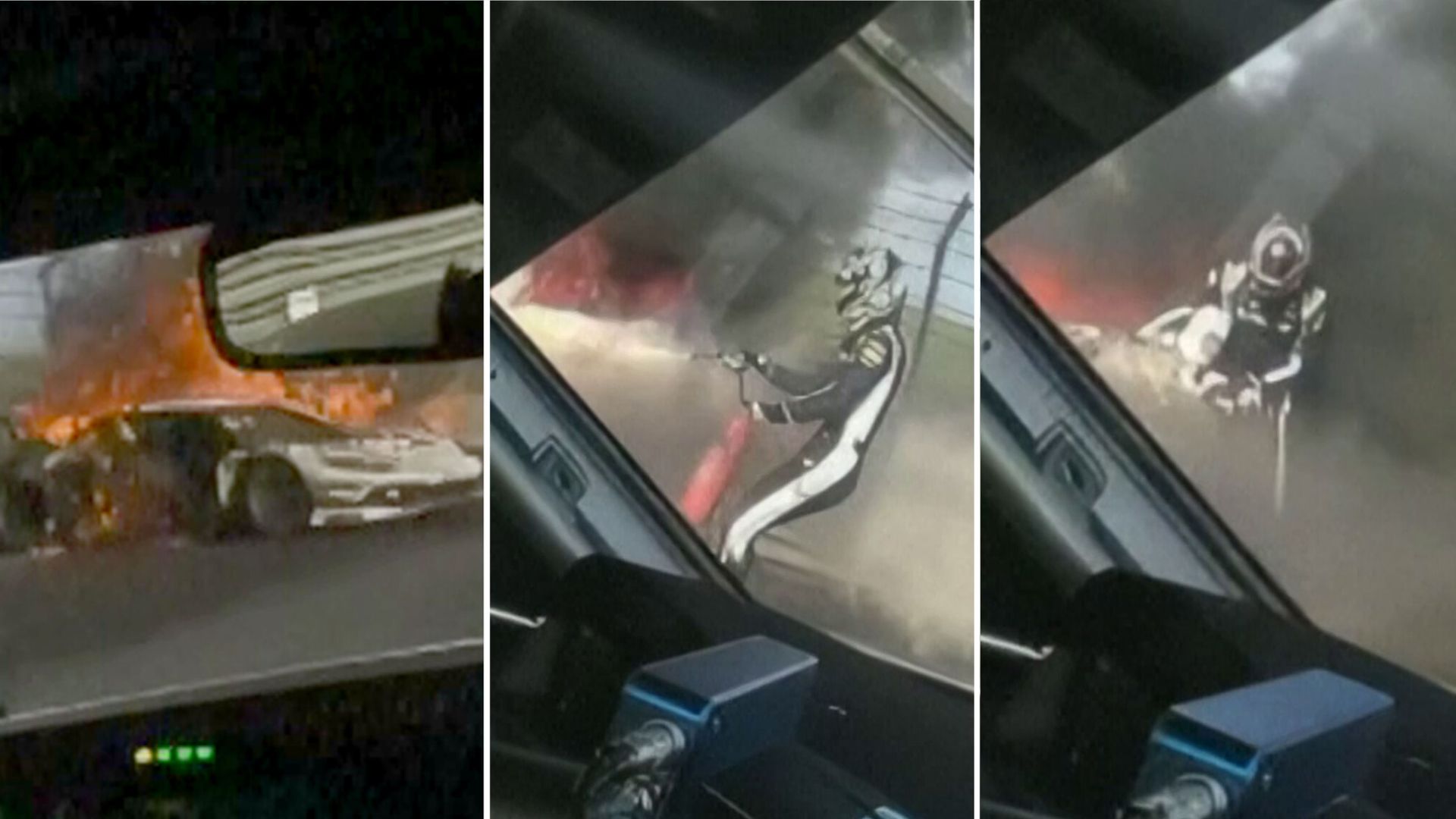
Then a moment happens that strips away the noise. A driver makes a split-second choice to abandon a race, throw away a championship point, and run directly into an inferno to pull a rival from a burning wreck. It stops you cold.
When a race driver thanks a rival for saving his life with an incredible act of bravery, the headlines usually flare up for forty-eight hours and then vanish into the digital feed. But that glosses over the raw reality of what actually transpires behind the visor. Competitors despise each other. They fight for fractions of an inch on track, crowd each other into walls, and trade paint in the corners. They are wired to win at all costs. Yet, when the ultimate danger rears its head, the tribalism dissolves instantly.
Let's look at what really happens when the armor comes off.
The Split Second That Defines a Career
Most fans don't grasp how fast a cockpit turns into a trap. Modern racing cars are engineered like aerospace modules. They are tight, heavy with safety gear, and locked down with multi-point harnesses that require deliberate, practiced movements to release. Add a heavy impact that scrambles your wits, a blinding cloud of thick black chemical smoke, and leaping flames that chew through oxygen in seconds, and you have a nightmare scenario.
You aren't thinking clearly. Panic takes over.
When a competitor slams into a barrier and the chassis ruptures, the field behind them faces an impossible choice. Slam the brakes and risk getting punted by the pack behind, or thread the needle through a burning graveyard. Stopping the car, jumping out, and running toward the wreckage goes against every survival instinct a professional athlete possesses.
Motorsport history is littered with harrowing rescues that remind us of this brutal truth. Think back to Niki Lauda's horrific crash at the Nürburgring in 1976. Arturo Merzario, Brett Lunger, Guy Edwards, and Harald Ertl didn't wait for marshals. They hauled Lauda out of a burning Ferrari while his lungs were filling with toxic fumes. They saved his life, plain and simple. Decades later, instances in various racing series keep proving that the greatest display of sportsmanship doesn't happen on the podium. It happens in the dirt, next to a burning fuel cell.
When a driver looks back on an event like that, the gratitude isn't corporate PR speak. It's visceral. It's the look of a person who understands they shouldn't be breathing right now.
Why Rivalries Fade in the Smoke
We love a good villain in sports. Media outlets feed us narratives of bitter feuds, heated radio transcripts, and garage wars. We want drama. We want drivers refusing to shake hands in the media pen.
Reality is far more complicated.
Drivers belong to an exclusive, tiny club. Globally, fewer people hold top-tier racing superlicences than walk on the moon or climb Everest. They share an unspoken burden. They all know the math. Every time they zip up the nomex suit, they are rolling the dice with mortality. They attend the funerals of colleagues. They watch the slow-motion replays of massive impacts and text each other behind closed doors.
That shared vulnerability changes the psychology of competition. You might hate the way a guy races you on the outside of turn four. You might think he's reckless, arrogant, or overly aggressive. But you don't want to see him burn.
When a rescue happens, the tribal line disappears. The guy trying to pass you for fifth place ten minutes ago is now the only thing standing between you and a catastrophic outcome. Afterward, the dynamic shifts forever. The tension doesn't completely vanish—they are still competitors—but an invisible bond forms. You can't look someone in the eye after they drag you from a fireball and race them the exact same way again. Something softens. Respect replaces resentment.
The Media Circus Versus the Quiet Truth
The public cycle around these events is predictable. The crash happens. Viral video clips rack up millions of views. Pundits talk about bravery for a news cycle. Sponsors issue statements about courage and teamwork.
Then the circus leaves town.
The drivers go back to the simulator. The engineers tweak the setups. The media machine starts hyping the next feud for the upcoming weekend. It feels cheap, honestly. The reduction of a life-or-death rescue into a trending hashtag does a disservice to the gravity of the moment.
Behind the scenes, the aftermath is much quieter. There are no cameras when a driver visits a rival in the medical center. There's no live feed when they share a quiet nod in the paddock weeks later. That's where the real relationship lives.
We need to stop treating these acts as anomalies. Bravery in racing isn't just about driving flat-out through a blind corner at two hundred miles per hour. That's adrenaline and calculated risk. True bravery is unlatching your own belts, stepping out of a safe car, and running into a wall of fire to save the person trying to beat you.
Next time you watch a race and see two drivers trading paint, remember the thin line they walk. They might fight like enemies on the track, but out on the asphalt, they are the only ones who truly understand the stakes. Check the standings, enjoy the racing, but keep an open eye for the moments that matter far more than the checkered flag.