Nature doesn't care about your textbook definitions or historical range maps. When a marine creature swims hundreds of miles past its comfort zone to lay eggs on an urbanized shore, it sends a message you can't ignore.
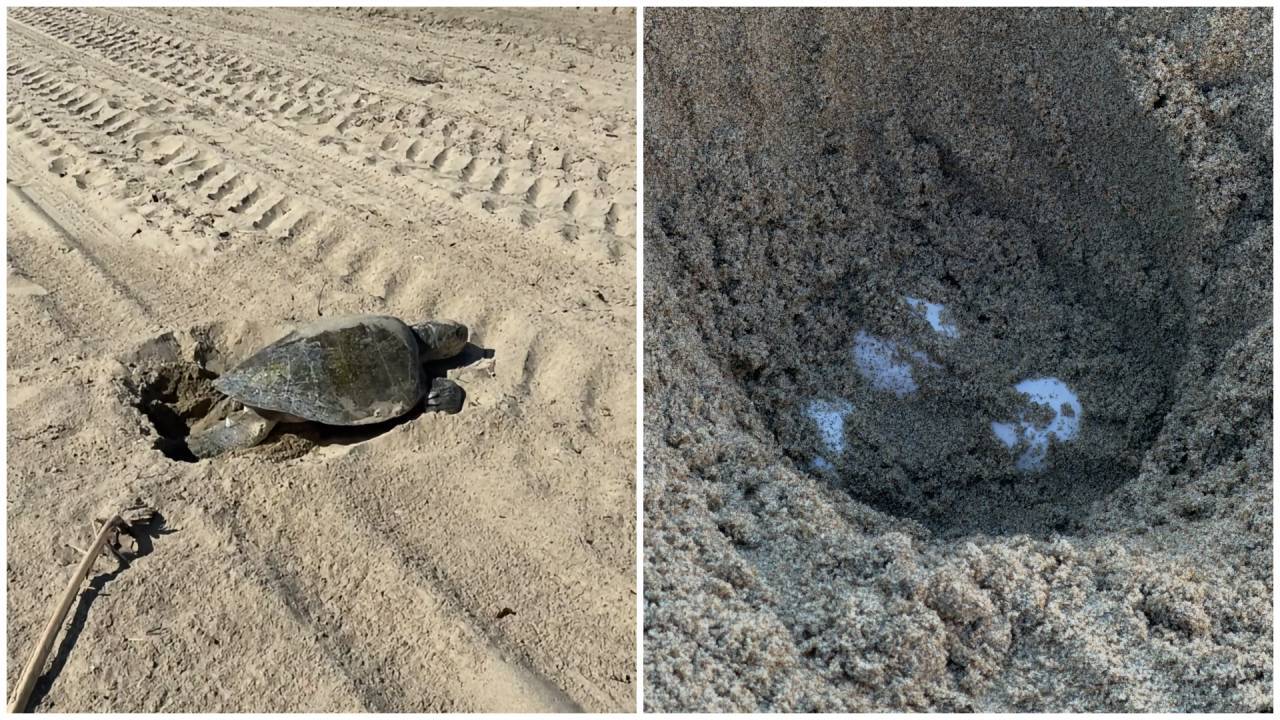
An olive ridley sea turtle crawling onto a Southern California beach to nest isn't just a quirky wildlife anecdote for evening news broadcasts. It represents a dramatic, undeniable shift in our coastal ecosystems. For decades, scientists tracked olive ridleys (Lepidochelys olivacea) primarily across tropical and subtropical basins. Seeing one haul its heavy shell onto temperate sands up north shatters old assumptions about where marine life can survive, breed, and adapt as oceans heat up.
Let's look at what's actually happening beneath the waves.
Understanding the Olive Ridley Profile
To grasp why this nesting event matters, you need to understand the animal itself. Olive ridleys are among the smallest sea turtles on earth, usually maxing out around one hundred pounds. They're famous for their synchronized mass nesting events called arribadas, where thousands of females crowd onto tropical beaches in Central America or India to drop their eggs in unison.
California waters have never been part of that playbook. Pacific waters off the coast of San Diego, Orange County, or Los Angeles are simply too cold for tropical species to establish permanent breeding populations. Or at least, they used to be.
When stray sea turtles occasionally appeared in California waters in past decades, biologists categorized them as lost wanderers caught in warm water eddies or El Niño currents. They were anomalies. They were pushed off course, unable to reproduce, and ultimately doomed if water temperatures dropped too fast.
This recent nesting event completely rewrites that narrative. A turtle isn't just drifting north. She's mature, healthy enough to carry a clutch of eggs, and driven by biological imperatives to nest in a place where her species has never belonged before.
The Warming Ocean Driver
You can't talk about shifting wildlife ranges without talking about water temperature. Marine heatwaves have battered the Pacific coast over recent years. Water temperatures off California have climbed significantly above historical averages, lingering in tropical ranges for months at a time.
Marine organisms feel these temperature swings long before humans notice them on beach trips. Tropical fish, sharks, and sea turtles follow thermal boundaries. As warm water masses expand northward, they drag entire ecosystems along with them.
Think of the ocean as a massive highway system. For centuries, invisible temperature barriers kept tropical species trapped in the southern lanes. Those barriers are dissolving. When the thermal highway opens up, animals travel.
The olive ridley doesn't consult a map. She feels water temperatures that mimic her ancestral breeding grounds off Mexico and decides the sand ahead works just fine. Biology doesn't care about state lines or international borders. It responds to immediate environmental cues.
The Brutal Reality of Urban Beaches
If you've ever walked along a Southern California beach on a summer weekend, you know they're packed. Between towering beachfront condos, blazing stadium lights, heavy foot traffic, and mechanical beach grooming tractors churning the sand every morning, a modern SoCaL beach is basically an obstacle course.
Nesting sea turtles require specific conditions to successfully lay eggs. They need dark, quiet stretches of sand where they won't be disoriented by artificial lighting. When a female sea turtle emerges from the surf, she's vulnerable. Bright lights from nearby parking lots and boardwalks can trick her into turning around before she even reaches the dry sand.
Even if she successfully digs a chamber and drops her eggs, the threats don't stop. Urban beaches teem with predators like raccoons, domestic dogs, and gulls that easily spot fresh turtle nests.
Add in municipal maintenance crews operating heavy machinery, and you realize just how hostile an urban beach is for reptile reproduction. Wildlife agencies scramble to rope off nesting sites, deploy volunteer monitors, and shield incubating eggs from human interference. It's a logistical nightmare for conservationists trying to protect an animal that picked the worst possible neighborhood to drop a clutch of eggs.
What This Means for Future Marine Ecosystems
We're watching a live-action preview of climate adaptation. Some species will adapt by shifting their ranges poleward. Others won't make it.
When tropical sea turtles start nesting in temperate zones, the ripple effects touch everything. What happens to native kelp forest ecosystems when warm-water predators and herbivores move in? How do local fish populations react to new competitors?
Marine biologists face a massive data gap. Historical baselines collected over the last fifty years are rapidly losing relevance. What was once considered a "once-in-a-lifetime" event might soon become a regular occurrence. Scientists must update their monitoring models, tracking not just occasional strandings, but active reproductive behaviors in regions previously deemed too cold.
How to Respond When You Spot Marine Wildlife
If you're lucky enough to spot a sea turtle on a California beach, your actions in the first five minutes determine whether that animal survives the encounter. Most people panic, grab their phones, and run straight toward the animal to get a close-up photo.
Don't do that.
Sea turtles hauling out onto sand are under immense stress. Flash photography blinds them and disrupts their nesting cycle, often causing them to abandon their nests altogether.
Keep your distance. Stay at least fifty feet away. Keep dogs completely leashed and away from the area. Turn off flashlights and cell phone lights immediately if you encounter a turtle at night.
Report the sighting instantly to local marine animal rescue networks, NOAA fisheries, or state wildlife agencies. Trained responders can secure the perimeter, monitor the eggs, and ensure the mother finishes her work without human harassment.
The ocean is changing right in front of us. How we treat these unexpected visitors tells us a lot about our readiness for the environmental shifts ahead. Stop treating nature as a fixed backdrop and start paying attention to what the wildlife is trying to tell you.