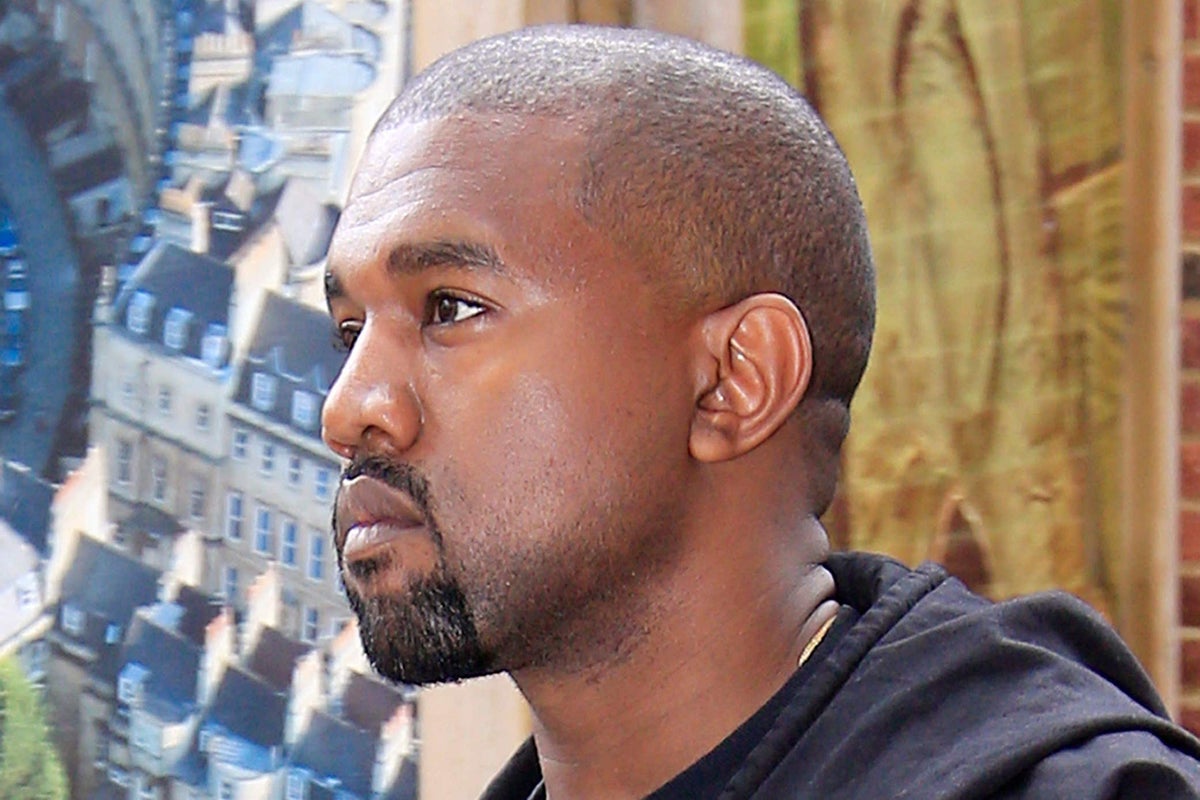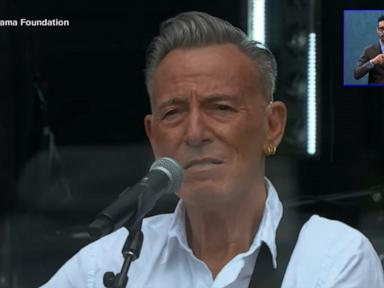
The corporate media is safely in its comfort zone, regurgitating the same sanitized narrative about the grand opening of the Obama Presidential Center in Chicago. They treat us to listicles of the pop-star royalty on stage—Stevie Wonder singing "Signed, Sealed, Delivered," Bruce Springsteen dusting off "Land of Hopes and Dreams," and Christina Aguilera belting out a ballad. They want you to marvel at the cultural clout, the curated nostalgia, and the glittering optics of a 19-acre campus on the South Side.
They are missing the entire point.
The breathless coverage of this star-studded opening exposes a deeper, structural delusion in our culture: the obsession with the presidency as a cultural brand rather than an engine of functional power. I have spent decades watching political campaigns and multi-million-dollar non-profits transform real systemic problems into elite brand-building exercises. When an institution needs a phalanx of billionaire musicians to justify its physical footprint, it is no longer a monument to public service. It is a cathedral to a bygone era of political stagecraft.
The lazy consensus insists that this massive complex is a "hub for hope and change" that will revitalize the South Side. The counter-intuitive reality is that the modern presidential library model is an obsolete relic. It operates as a retrospective public relations shield disguised as a community center.
The Mirage of the Billionaire Pop-Star Endorsement
The media views a line-up featuring Bono, The Edge, John Legend, and Common as proof of enduring political relevance. In reality, it is a glaring symptom of a hyper-stylized elite class protecting its own mythology.
When an activist president leaves office, the goal should be a hard-nosed, measurable expansion of the civic infrastructure left behind. Instead, we get a performance of "Higher Ground." This reliance on entertainment elite exposes the core vulnerability of the entire project. It relies on the aesthetic of change to mask the reality of a stagnating political system.
Imagine a scenario where the $615 million spent constructing this tower was routed directly into local, decentralized community trusts across Chicago without the massive concrete monument attached to it. The sheer weight of the brick-and-mortar structure serves the legacy of the individual, not the fluid needs of the modern organizer. The pop stars are not there to celebrate a community; they are there to validate an establishment.
Redefining the Real Cost of Legacy Architecture
The standard defense of these massive centers is that they drive tourism and local pride. Let's look at the actual data and historical precedents of urban mega-projects.
- The Displacement Paradox: The center sits in Jackson Park, adjacent to historical neighborhoods. The moment ground was broken, speculative real estate values surged, threatening the very working-class residents the center claims to champion.
- The Static Monument Problem: Traditional presidential libraries house physical archives for historians. The Obama Center broke with tradition by digitizing its unclassified records. This means the actual 19-acre physical footprint is not a functional archive; it is an experience machine.
- The Funding Drain: Raising hundreds of millions from corporate donors for a legacy tower sucks precious capital out of the broader ecosystem of small, active non-profits that lack a famous name on the masthead.
By shifting the conversation from "Look at this beautiful library" to "Who actually profits from this spatial development?", the structural flaw becomes obvious. We are building monuments to the concept of organizing, rather than funding the gritty, unglamorous work of organizing itself.
The Flawed Question We Keep Asking
The public asks: How will this center preserve the historic legacy of the 44th president?
That is the wrong question entirely. The real question we must confront is: Why do we continue to treat former heads of state as lifetime cultural monarchs who require multi-acre fiefdoms?
The modern presidential center has evolved into a post-presidency corporation. It is designed to host exclusive stakeholder summits, manage an ecosystem of high-dollar donors, and control a narrative. By focusing the conversation on the star-studded grand opening and the aesthetics of hope, the public is distracted from the ultimate transition of political power into corporate celebrity.
The true test of civic impact is not whether you can get the Roots to play a pre-ceremony set on the Midway Plaisance. It is whether the local population possesses more structural equity after you build the tower than they did before. Relying on an expensive display of cultural dominance suggests the creators know the concrete alone is not enough to prove their point.
The era of the imperial post-presidency needs to end. True power does not belong in a secure tower surrounded by a phalanx of aging pop stars. It belongs on the ground, far away from the cameras and the VIP lists.