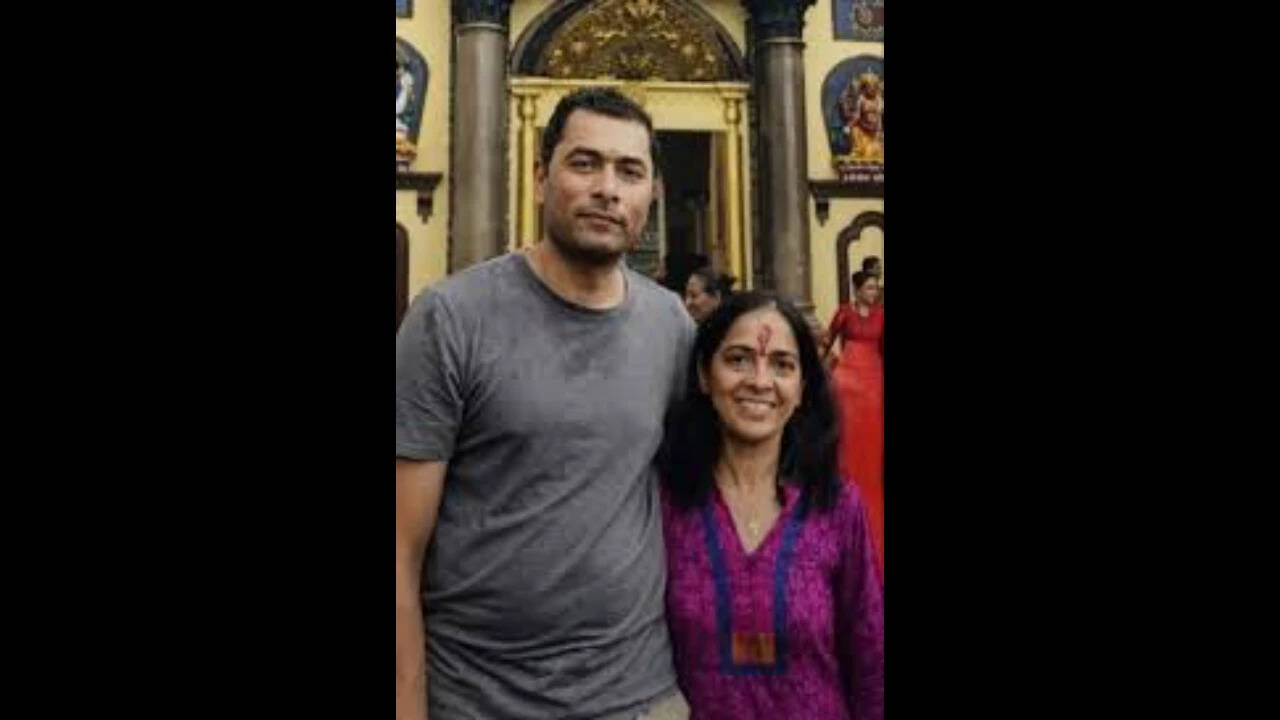
Headline algorithms feast on geographic proximity. When ten citizens from a wealthy Western metropolis go missing during a Himalayan pilgrimage, the tragedy instantly vaults to the top of domestic feeds. Media outlets frame the disaster around the local angle, detailing postal codes and community groups, as if geography dictates the weight of human survival. This hyper-local framing of global catastrophes is intellectually lazy, distorting how we assess systemic risk, emergency response, and our actual place in an interconnected ecological grid.
Look past the localizing spin of the reports coming out of the Nepal-Tibet border. The narrative engineered by major news aggregation focuses heavily on the specific regional identities of the missing travelers, turning a catastrophic cross-border climate disaster into a localized hometown story. For a more detailed analysis into similar topics, we recommend: this related article.
The Fallacy of Proximate Sympathy
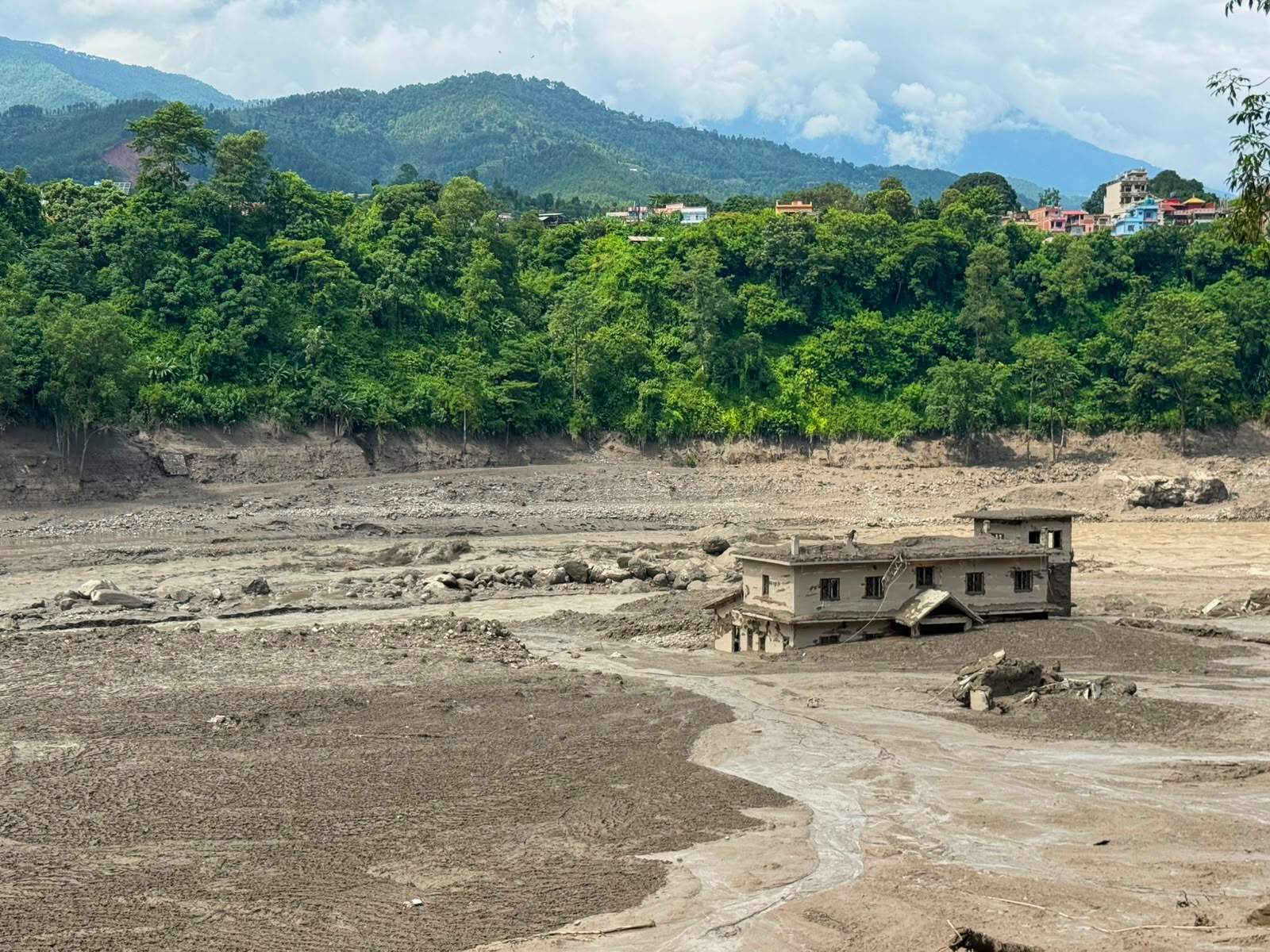
We are culturally conditioned to care more about victims who share our grocery stores and transit lines. When flash floods and massive mudslides devastate the Rasuwa district, obliterating settlements and leaving hundreds dead or unaccounted for, the human cost is immense and indiscriminate. Yet, domestic coverage pivots instantly to how many people from Toronto or Ottawa were on the manifest. For broader information on this development, in-depth analysis can also be found on The Washington Post.
This is not empathy; it is parochialism disguised as journalism. It creates a tiered valuation of human life where the hundreds of local Nepalese and Tibetan villagers who lost everything serve merely as background scenery for a story about Western tourists on a spiritual retreat.
The Mechanics of High-Altitude Risk
The trek in question—the return from Mount Kailash via the Gyirong port immigration facility—is a high-stakes logistical challenge disguised as a peaceful pilgrimage. High-altitude border regions in the Himalayas are textbook fragile environments. When intense monsoon dynamics collide with steep, deforested gorges and fragile geological fault lines, catastrophic flash flooding is not an anomaly; it is a structural certainty over a long enough timeline.
Organizations managing mass eco-tourism and spiritual pilgrimages into these extreme zones routinely underestimate the compounding velocity of climate volatility. Imagine a scenario where adventure and spiritual tourism infrastructure is subjected to the same rigorous environmental stress-testing as heavy industrial engineering. Most high-altitude operators would fail instantly. They rely on historical weather patterns that expired a decade ago, treating unpredictable meteorological shifts as sudden "black swan" events rather than the new baseline reality.
Dismantling the Rescue Rhetoric
Following every major trans-national disaster, political leaders and institutional spokespeople trot out familiar talking points about international coordination and diplomatic resolve. Global Affairs Canada issues statements of concern; non-profits mobilize crisis lines. But this administrative theater obscures a harsher truth: rescue operations in remote Himalayan terrain are fundamentally bottlenecked by geography, weather persistence, and local infrastructure limits, not by the quality of a press release.
When a dam breach occurs on the Tibetan side of a swollen border river, no amount of consular coordination from thousands of miles away can alter the physics of rushing water. The insistence that governments can seamlessly extract citizens from active ecological collapses ignores the basic limits of state intervention. Once you step past the threshold of hyper-developed urban safety nets, you are entirely at the mercy of planetary forces. No passport grants immunity to gravity or a wall of mud.
Redefining Global Responsibility
The real failure here is not merely that ten Torontonians or eleven Ontarians were caught in a catastrophic flood. It is that Western media consumers only pay attention to the Third Pole's mounting climate crisis when Westerners happen to be in the crosshairs. The Himalayas are undergoing rapid glacial melting and destabilization, threatening downstream populations numbering in the billions. That is the actual story.
Stop treating localized international disasters as local human interest pieces. The ecosystem does not care about your hometown, your itinerary, or your spiritual alignment. Respect the terrain or stay home.