The tea in Number 10 Downing Street has a way of going cold before the first sip is ever taken. It sits on a mahogany desk, a thin skin forming on the surface, while the flickering glow of a secure monitor illuminates the tired eyes of a Prime Minister. For Keir Starmer, the silence of a London midnight is often broken by the frantic, muffled energy of a world catching fire thousands of miles away.
On this particular night, the fire was literal.
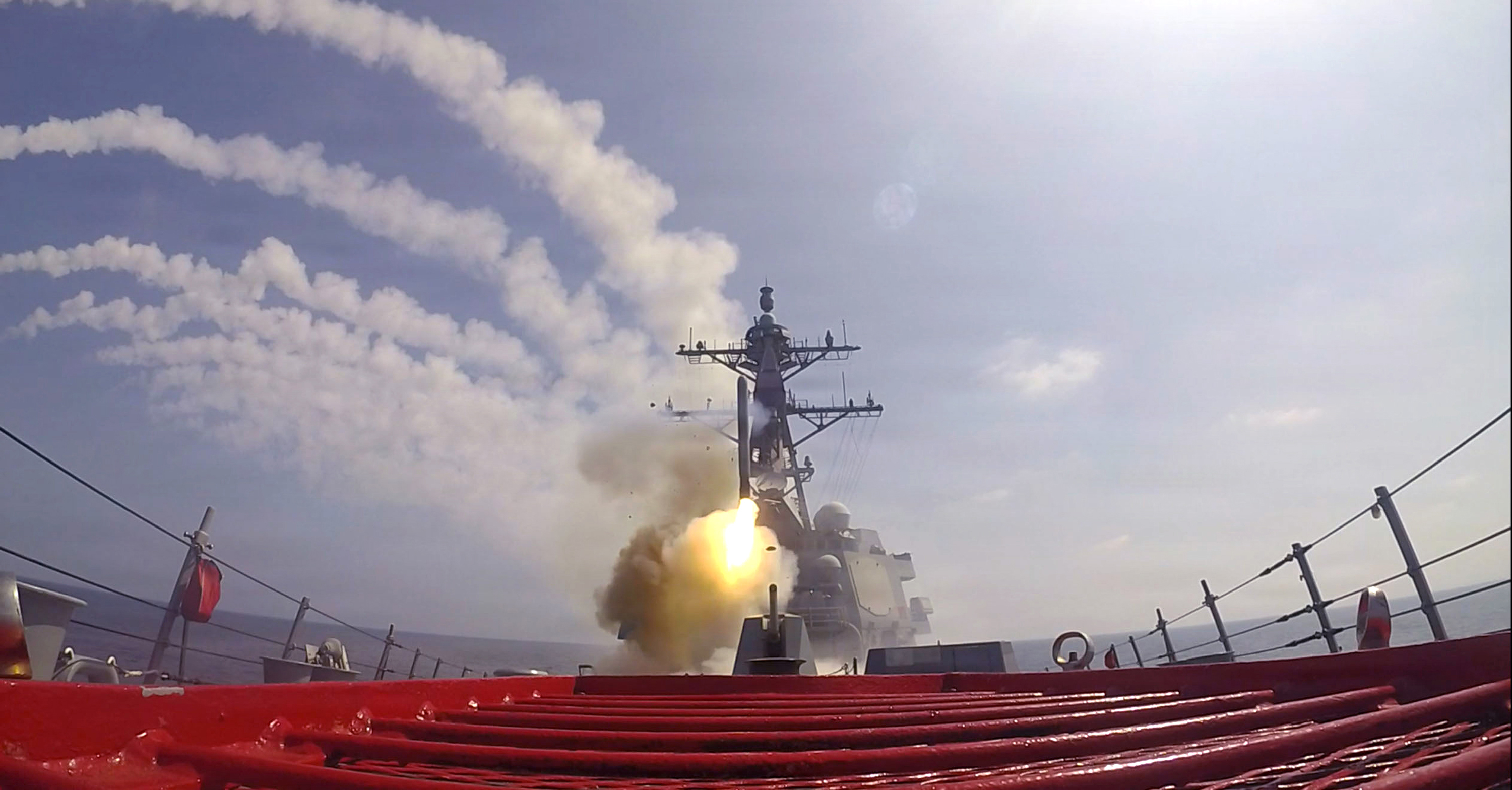
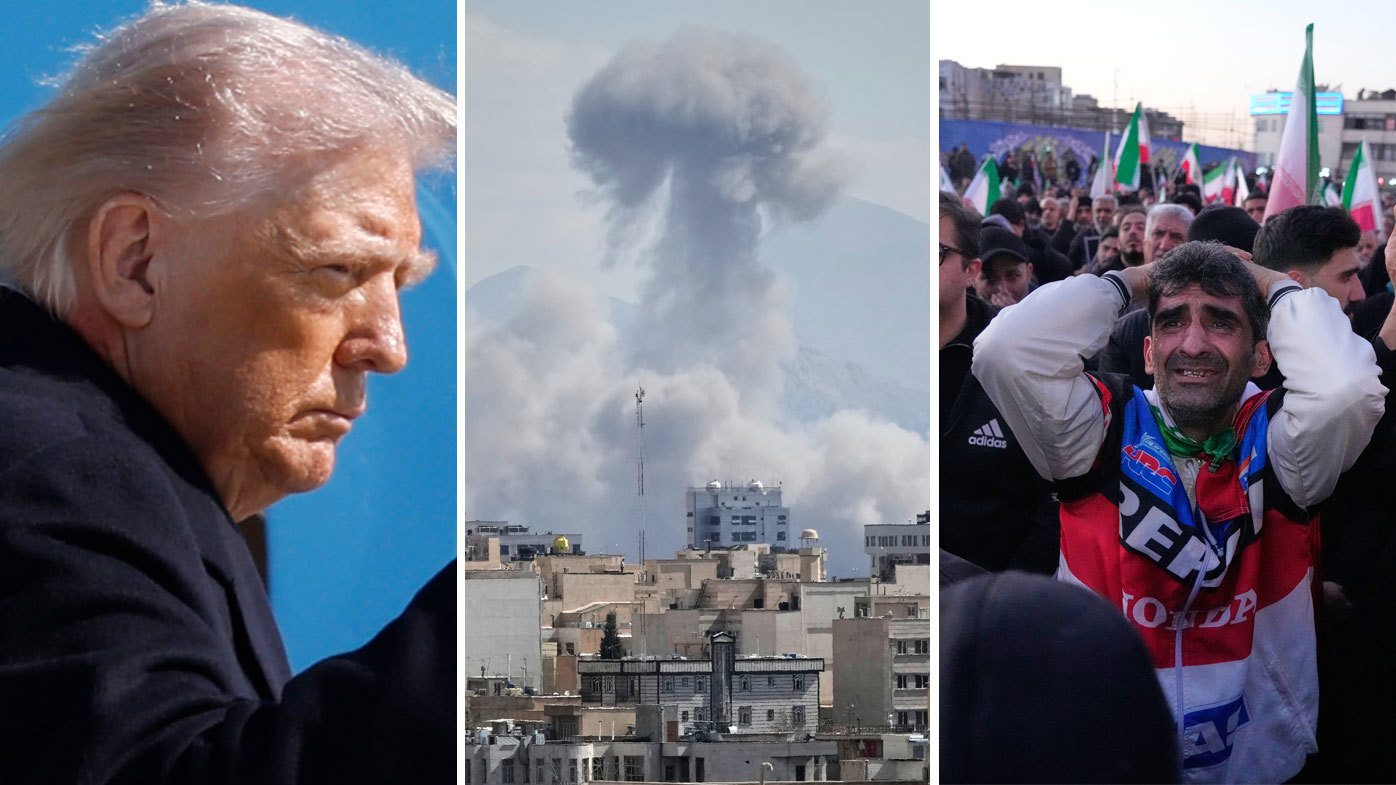
The news cycle calls it a "precision strike." It sounds clean. It sounds surgical, like something a doctor does in a sterilized room. But for a family in the suburbs of Tehran, or a young conscript standing watch near a missile battery, there is nothing surgical about the roar of an afterburner or the bone-shaking thump of an explosion that feels like the earth itself is being torn in two.
When the United States and Israel launched their coordinated strikes against Iranian military targets, the shockwaves traveled faster than the speed of sound. They ripped through the diplomatic corridors of Westminster, leaving Starmer standing at a podium, trying to find words that could satisfy the hungry demands of international alliance while calming a domestic audience that is increasingly terrified of a "Forever War" that never seems to end.
The Weight of a Handshake
Imagine for a second that you are the one holding the pen.
You have spent a career in the law, believing in the power of rules, the sanctity of evidence, and the necessity of due process. Now, you are the leader of a nation. Your closest ally—the one who holds the keys to your intelligence sharing and your global security—has just pulled the trigger. They tell you it was "proportional." They tell you it was "defensive," a response to the rain of drones and ballistic missiles Iran had previously sent screaming toward Tel Aviv.
You have to choose. Do you stand shoulder-to-shoulder, or do you take a step back?
Starmer chose the handshake. He backed the right of Israel to defend itself. He echoed the American sentiment that Iran must cease its "malign influence." To his critics, this wasn't leadership; it was an echo. It was the sound of a junior partner following a script written in Washington.
Inside the House of Commons, the air is different than it is on the evening news. It smells of old wood and the sweat of people who know their words might actually cost lives. When Starmer rose to defend the strikes, he wasn't just talking to the MPs sitting across from him. He was talking to the ghost of 2003. Every Labor leader lives in the shadow of the Iraq War, a conflict born of intelligence that turned out to be smoke and mirrors.
The fear isn't just about whether Iran deserved a bloody nose. Almost everyone agrees that the regime’s regional proxies and its nuclear ambitions are a threat. The fear is about the "What If."
What if the next strike isn't a military warehouse, but a power plant? What if the "proportional" response triggers a cycle that ends with a blockade of the Strait of Hormuz, sending global oil prices into a vertical climb and making the cost-of-living crisis look like a minor inconvenience?
The Human Cost of High-Altitude Decisions
While the Prime Minister weighs the merits of "de-escalation through strength," the reality on the ground is far more visceral.
Let's look at a hypothetical person, let's call her Leyla. Leyla is a teacher in Tehran. She has no love for the religious hardliners who dictate what she wears or what she teaches. She wants a future where her daughter can breathe freely. But when the sirens go off at 2:00 AM, she doesn't think about "regional hegemony" or "geopolitical pivots." She thinks about the structural integrity of her ceiling. She thinks about whether the glass in her windows will turn into shrapnel.
When Starmer lends British diplomatic weight to these strikes, he is, in Leyla’s eyes, endorsing the terror in her living room.
Back in the UK, the criticism didn't just come from the usual anti-war protesters. It came from within the belly of the beast. Members of the Scottish National Party and the more vocal wings of the Labor backbenches began to ask a question that is notoriously difficult to answer: Where is the exit?
If we support Strike A because of Attack B, what happens when Attack C follows? At what point does the "right to self-defense" become a march toward a regional conflagration that no one—not Starmer, not Biden, not Netanyahu—actually knows how to stop?
The Invisible Stakes
The real story isn't just about bombs and rhetoric. It’s about the invisible threads of the global economy and the fragile peace of the British streets.
The UK is a multicultural engine. When the Middle East bleeds, London feels the pulse. We see it in the protests that clog Whitehall every Saturday. We see it in the rising tide of antisemitism and Islamophobia that flares up every time a missile crosses a border. Starmer isn't just managing a foreign policy crisis; he’s managing a domestic social one.
Critics argue that by failing to condemn the scale of the strikes, or by failing to call for an immediate, unconditional ceasefire across all fronts, the Prime Minister is losing the moral high ground. They argue that Britain is no longer a mediator, but a spectator with a megaphone, shouting encouragement to one side of a burning house.
But consider the alternative.
If Starmer were to break ranks, if he were to publicly denounce the US-Israeli actions, the rift in the "Special Relationship" would be a chasm. In a world where Russia is pushing against the borders of Europe and China is watching every Western move for a sign of weakness, a divided West is a vulnerable West. This is the cold, hard logic of the situation. It is a choice between two bad options.
The Architecture of a Dilemma
The complexity of the Iran-Israel-UK triangle can be understood through the lens of a "Security Dilemma." In political science, this is the idea that actions taken by one state to increase its security are perceived as threats by others, leading to a never-ending spiral.
Iran sees its "Axis of Resistance" as a defensive buffer against Western imperialism. Israel sees that same axis as an existential noose tightening around its neck. The UK, under Starmer, is trying to act as the weight that keeps the scale from tipping into total chaos.
But weights can also be crushed.
The Prime Minister’s stance is a gamble. It is a bet that by supporting "limited" strikes, the West can satisfy the domestic pressure in Israel to "do something" while signaling to Tehran that the cost of further escalation will be too high to pay. It’s a high-stakes poker game played with millions of lives as the pot.
The Sound of Silence
The most telling part of the recent strikes wasn't the explosions themselves, but the silence that followed. For a few days, the world held its breath. Would Iran retaliate? Would the "shadow war" finally step into the light?
In those hours of silence, Keir Starmer’s position remained unchanged. He called for "restraint." It is a word that feels increasingly hollow in a region where restraint is often viewed as a synonym for weakness.
The human element of this story isn't found in the official communiqués or the televised statements. It’s found in the quiet conversations between British citizens of Middle Eastern descent who feel their voices are being ignored. It’s found in the anxiety of a British soldier stationed in Cyprus, wondering if his base will become the next target for a retaliatory drone strike.
We often talk about "geopolitics" as if it’s a game of chess played on a wooden board. It’s not. It’s a game played on a surface of thin ice, over deep, dark water.
Starmer’s critics want him to be a man of principle who stands up to the military-industrial complex. His supporters want him to be a pragmatist who keeps Britain safe and relevant. The truth is that he is currently neither and both. He is a man caught in the machinery of history, trying to steer a ship that is being buffeted by waves he didn't create.
As the sun rises over London, the cold tea is finally poured away. The headlines will move on to the next crisis, the next budget, or the next political scandal. But in the air over the Middle East, the smell of cordite lingers. And in the halls of Westminster, the question remains: How many more "precision strikes" can the world endure before the precision fails and the fire spreads beyond anyone's ability to put it out?
The sky over Tehran eventually returned to its usual hazy blue. But for those who watched it turn red, the world will never look the same again, no matter how many miles away the Prime Minister stands.