The Baltic breeze usually carries the scent of salt, damp stone, and the quiet dignity of a city built on imperial ambition. For three centuries, St. Petersburg has stood as Russia’s cultural anchor, a sprawling masterpiece of canals and palaces that felt, for the most part, insulated from the immediate violence of the modern world. Even Kronstadt, the historic naval fortress guarding the approach from the Gulf of Finland, usually echoes only with the cries of gulls and the low hum of military transport.
Then came the drones.
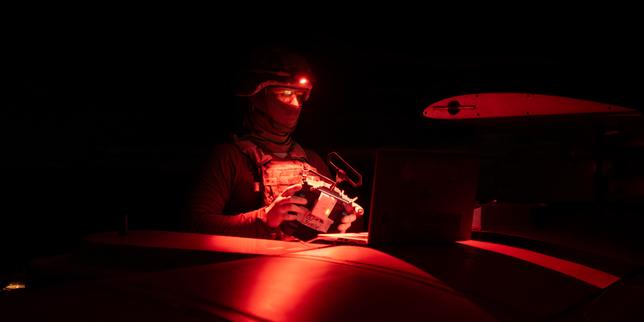
It happens in the dark. A low, lawnmower-like drone vibrates through the cool night air. It is a sound that has become terrifyingly familiar in places like Kharkiv and Belgorod, but until recently, it felt impossible here, hundreds of miles from the front lines. The flash of air defenses illuminating the Neva River changes everything. In an instant, the abstract reality of a distant war arrives on the doorstep of Russia’s second city.
The immediate aftermath is a study in calculated tension. The Russian Ministry of Defense wasted no time issuing a statement, broadcasted across state media and digital channels. The nighttime strikes on St. Petersburg and Kronstadt, the Kremlin warned, would not remain "without a response." It is the standard language of geopolitical deterrence, wrapped in steel and delivered with a scowl. But beneath the official rhetoric lies a shifting psychological landscape for the people who call these cities home.
Consider a hypothetical resident named Elena. She lives in an apartment overlooking the Gulf, close enough to hear the low rumble of the air defense batteries at Kronstadt. For two years, the conflict was something that existed on television screens, a geopolitical chess match managed by Moscow. When the windowpanes rattled at 3:00 AM, the distance collapsed. The war was no longer somewhere else. It was outside.
This is the true strategy behind Ukraine’s deep-strike capabilities. The physical damage inflicted on naval infrastructure or oil depots is significant, certainly, but the psychological fragmentation is the real objective. By reaching out and touching the historic heart of the Russian state, the cross-border strikes dismantle the illusion of absolute security. They force a realization that geography is no longer a shield.
The response from Moscow is entirely predictable because the calculus of escalation requires it. To leave an attack on St. Petersburg unanswered would be an admission of vulnerability that the current leadership cannot afford. The Ministry of Defense must project absolute resolve, promising retaliation to reassure a startled populace and to signal to Kyiv that the cost of these deep incursions will always exceed the benefit.
Yet, this cycle of strike and counter-strike reveals a deeper, more troubling reality about the evolution of modern warfare. The battlefield is no longer defined by trenches and lines on a map. When low-cost, long-range drones can bypass sophisticated air defense networks to strike historic ports, the entire concept of the "rear" disappears. Every city becomes a potential frontline. Every sleeping citizen becomes a witness.
The official statements talk of strategic deterrence, red lines, and inevitable retaliation. They use the vocabulary of chess, treating cities and military bases as mere pieces on a board. But on the ground, in the quiet hours before dawn, the reality is measured in the sharp intake of breath, the sudden glare of an explosion reflected in a child’s bedroom window, and the lingering anxiety that the night will no longer bring peace.
The Kremlin will undoubtedly strike back, launching its own salvos across the border, continuing a grim rhythm that has defined the last several years. The missiles will fly, the air sirens will wail in Ukraine, and the official spokespeople will report successful missions. But the calculus has permanently shifted in the north. The Baltic breeze still blows across the Neva, but it now carries a cold, undeniable truth: the distance that once offered safety has evaporated, leaving behind a city that must now learn to sleep with one eye open.