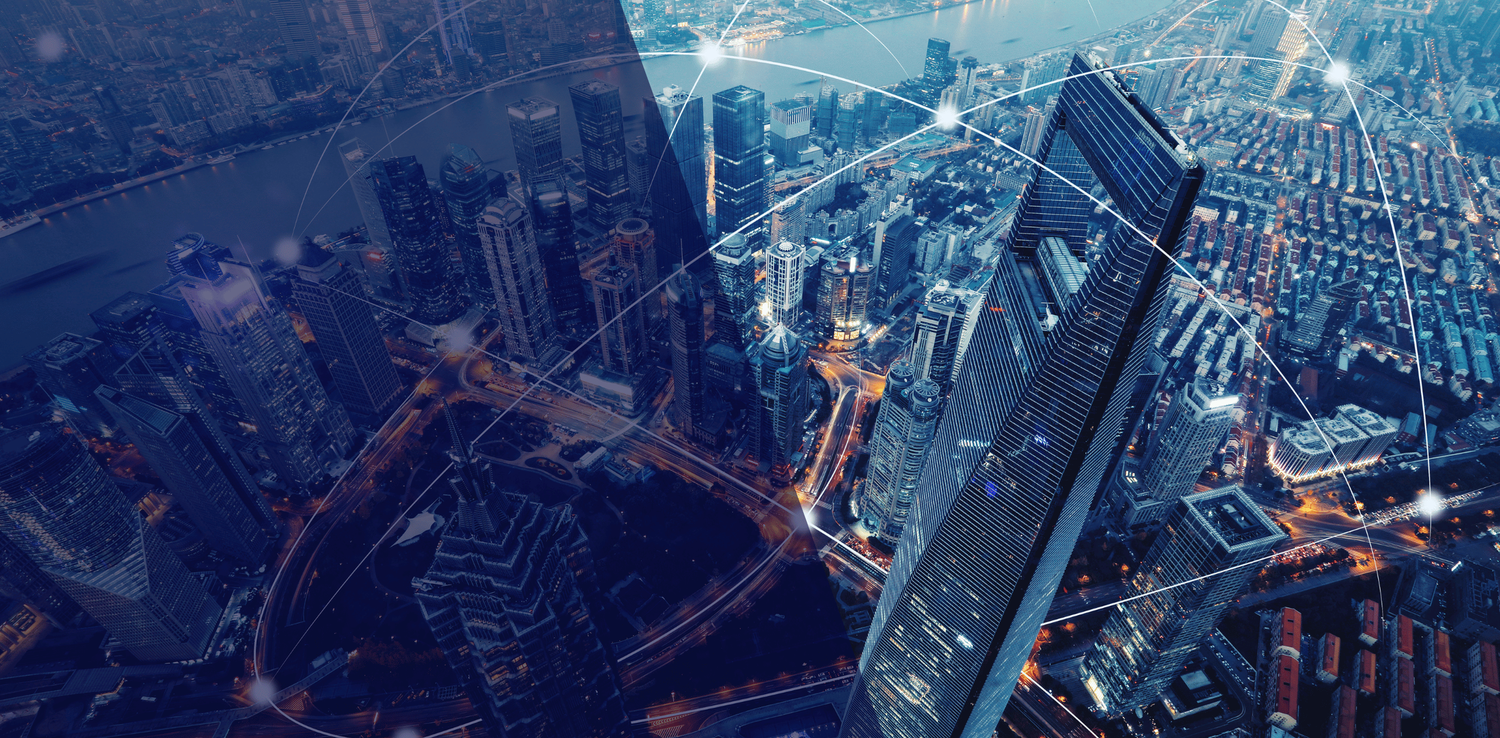
The air in Muscat doesn’t just sit; it clings. On a Tuesday evening that began like any other, the humidity of the Gulf of Oman felt particularly heavy, as if the atmosphere itself was holding its breath. In the shimmering glass towers of Dubai, a few hundred miles away, tourists were likely finishing dinner at the base of the Burj Khalifa, oblivious to the fact that their world had just become the center of a global chess match.
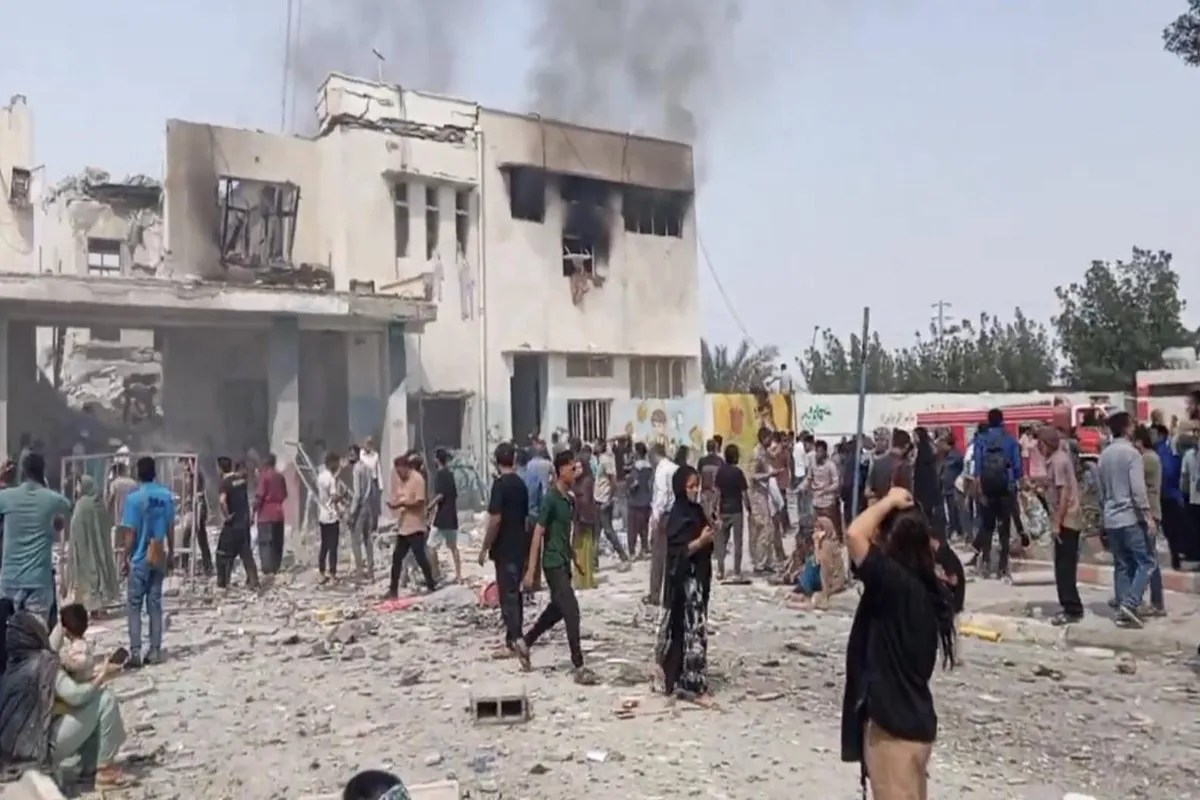
Geopolitics is often discussed in the abstract—maps, arrows, and cold statistics. But for the people living in the shadow of the Hajar Mountains, it feels like a physical weight. When reports began to filter through that Iran had conducted an "attack" or a significant military maneuver in the waters off Oman, the abstraction vanished. This wasn't just a headline. It was a vibration in the earth.
The Shadow Over the Strait
Oman has long played the role of the quiet neighbor, the mediator who whispers while everyone else shouts. It is a place of rugged beauty and strategic silence. Yet, when the Iranian military flexes its muscles in these waters, the silence is shattered. The reports indicated a calculated move, a demonstration of reach that sent a very specific message to the West and its allies.
Think of the Persian Gulf as a single, narrow hallway. If someone stands at one end with their hand on the light switch, everyone in the building starts to sweat. By targeting the waters off Oman, Tehran wasn't just hitting a geographical coordinate. They were touching the switch.
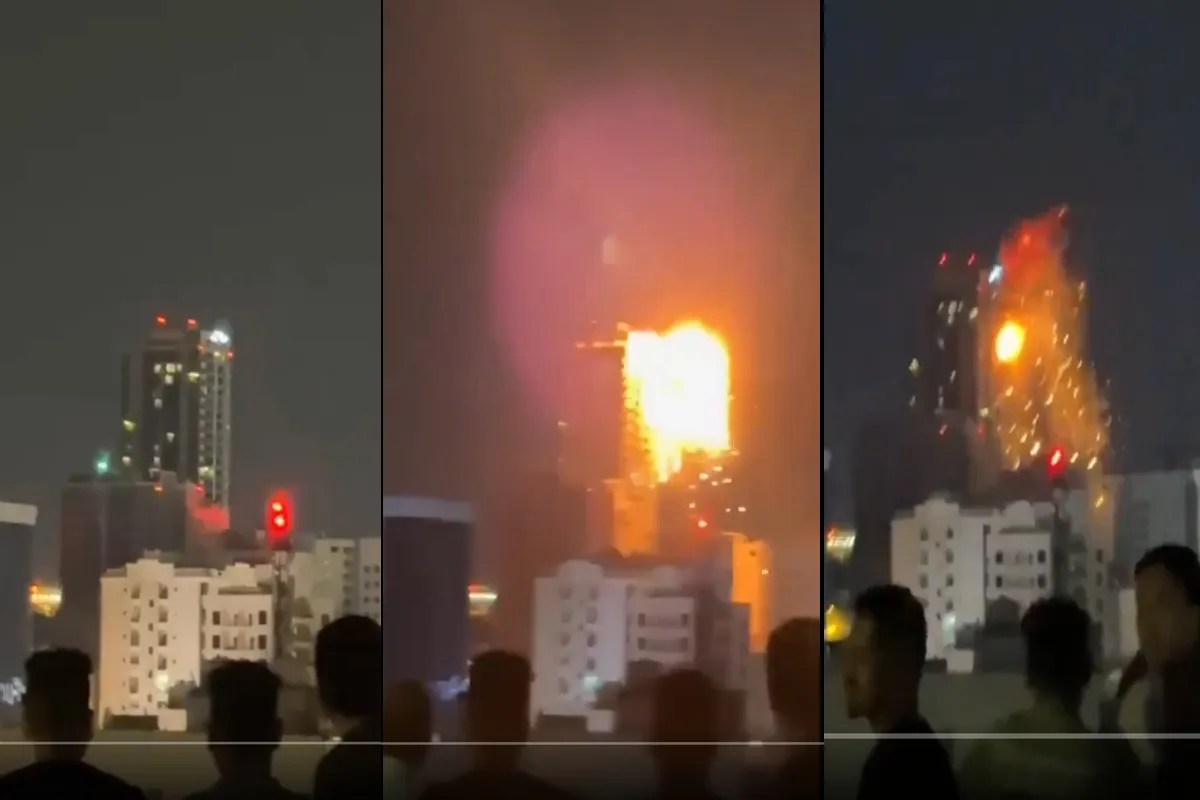
The rumors that followed were even more chilling. High-level intelligence chatter suggested that the ultimate symbolic target wasn't a military base or an oil tanker, but the Burj Khalifa itself. The tallest building in the world is more than just steel and glass; it is the physical manifestation of the Middle East’s modern ambition. To even whisper its name in the context of a target is to strike at the heart of the region's psychological security.
A Phone Call in the Dark
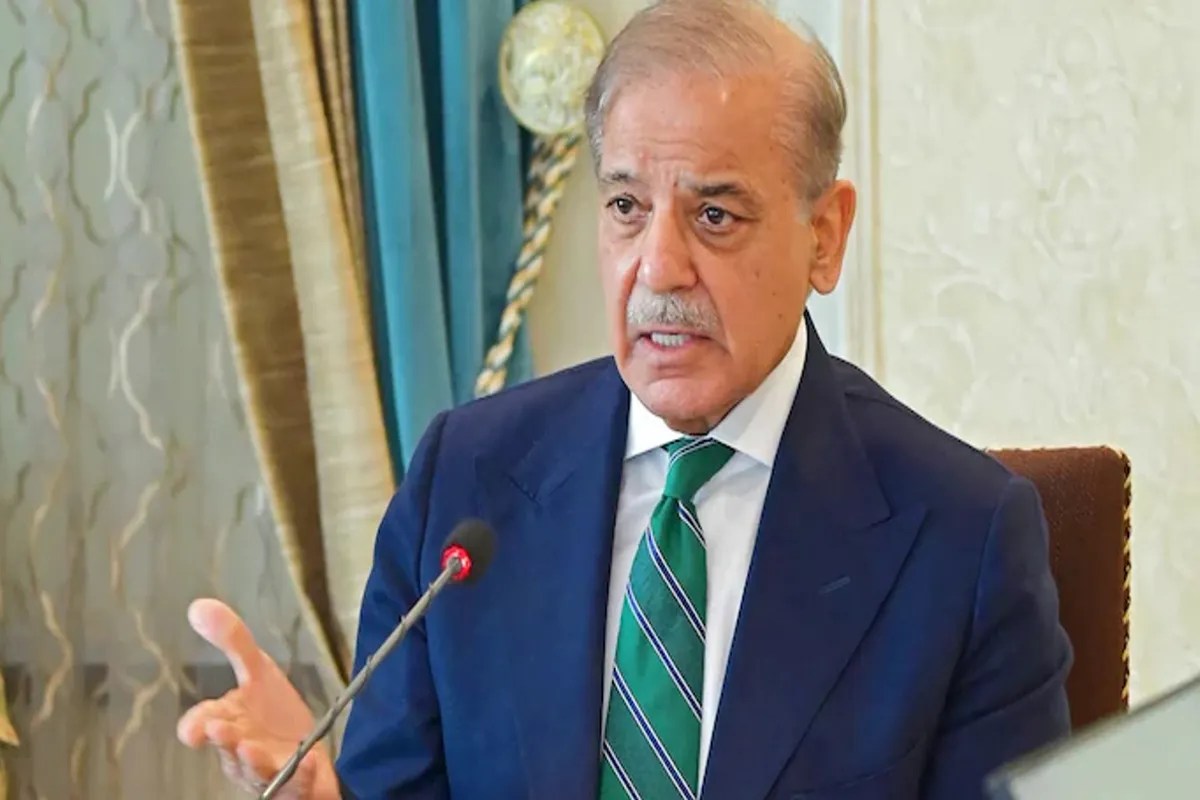
While the world slept, the phone lines between Mar-a-Lago and Jerusalem were burning. Donald Trump, ever the disruptor of traditional diplomacy, reached out to Benjamin Netanyahu. This wasn't a standard diplomatic briefing. It was a conversation between two men who understand the language of leverage and the reality of hard power.
The stakes of this call were invisible but massive. For Trump, the situation in Oman represented a direct challenge to the "maximum pressure" legacy he prides himself on. For Netanyahu, it was a confirmation of his longest-standing fear: an emboldened Iran capable of reaching across borders with impunity.
They spoke of red lines. They spoke of the Iron Dome, but also of the invisible domes of digital and maritime defense that keep the global economy from collapsing. If the Burj Khalifa is the heart, the shipping lanes of Oman are the arteries. If either is severed, the "landscape" of global trade doesn't just change—it bleeds.
The Human Cost of High Stakes
Consider a merchant sailor on a tanker moving through the Gulf. To them, the "Iran-Oman" conflict isn't a topic for a white paper. It’s the sound of a drone overhead. It’s the way the radar screen looks at 3:00 AM when an unidentified vessel approaches. These individuals are the unintended characters in a story written by leaders in far-off capitals.
We often view these events through the lens of "Business" or "News," but they are fundamentally about human vulnerability. When a missile is tested or a ship is seized, a family in Mumbai loses contact with a father at sea. A small business owner in Dubai wonders if their investment in a gleaming future was a mistake.
The technology involved here is staggering. We are talking about precision-guided munitions and sophisticated electronic warfare that can blind a ship before it even knows it's being watched. But all that high-tech wizardry serves a very old, very primal human instinct: the desire to dominate.
The Burj Khalifa as a Mirror
The Burj Khalifa stands 828 meters tall. On a clear day, you can see it from miles away, a silver needle stitching the sky to the desert. It is a marvel of engineering, a testament to what happens when humanity decides to defy gravity.
Yet, its vulnerability is the mirror of our own. The more complex and beautiful our civilizations become, the more fragile they feel. The Iranian maneuvers in Oman were designed to remind us of that fragility. They were a reminder that even the most stable-looking structures can be threatened by a shift in the wind—or a shift in the political will of a neighbor.
Trump and Netanyahu’s conversation wasn't just about military strategy. It was about optics. In the modern world, the perception of power is often as important as power itself. If Iran can make the world believe the Burj Khalifa is in the crosshairs, they have already won a psychological victory without firing a single shot.
The Invisible Lines We Draw
We live in an era where the lines on a map are becoming less important than the lines of code in a missile’s guidance system. The "attack" in Oman serves as a case study in 21st-century warfare: it’s about signaling, about testing the boundaries of what the international community will tolerate.
Oman remains the silent observer, caught between its massive neighbors and its role as a bridge to the West. The Omani people, known for their hospitality and calm, now find themselves living in a theater of war that they never asked to join.
The tension doesn't dissipate just because the news cycle moves on. It settles into the bones of the region. It changes how insurance companies rate shipping vessels. It changes how architects think about the security of skyscrapers. Most importantly, it changes how people look at the horizon.
The Weight of the Next Move
The phone call ended, the sun rose over the Gulf, and the Burj Khalifa remained standing, catching the first golden rays of light. But the world felt different. The "standard" facts tell us that Iran conducted a drill or a minor strike. The "human" truth tells us that the threshold for what is considered "normal" has shifted once again.
We are no longer in a period of static peace. We are in a constant state of calibration. Every move by Tehran, every tweet or call from Trump, and every defensive posture by Netanyahu is a weight placed on a very delicate scale.
The desert wind continues to blow across the Musandam Peninsula. It carries the scent of salt and the faint, metallic tang of machinery. For now, the tall towers of the Emirates are safe. But the warning has been delivered, and in the quiet of the Omani night, everyone is listening.
The tallest building in the world is a beautiful thing to behold, but its shadow is long, and in that shadow, the world is waiting to see who moves next.
Would you like me to analyze the historical precedent of naval blockades in the Strait of Hormuz to see how they compare to this current escalation?