The bombs have stopped falling, but nobody should pop the champagne just yet.
When President Donald Trump sat down at Versailles alongside French President Emmanuel Macron to sign the new memorandum of understanding with Iran, the media immediately spun it as a historic triumph. It sounds great on paper. An immediate halt to a devastating war that started on February 28, a 60-day clock for nuclear negotiations, and the reopening of the Strait of Hormuz.
But if you look closely at the actual 14-point framework dictated by officials, Washington just handed Tehran the keys to the global oil market while getting almost nothing upfront. It's a massive shift from the 2015 nuclear pact that Trump famously trashed during his first term. Back then, Iran had to dismantle centrifuges and blend down uranium before getting a dime of relief. This time? The economic rewards flow on day one, while the toughest security choices get kicked down the road.
The Shocking Economics of the Versailles Pact
The biggest winner in this interim arrangement isn't the American consumer looking for cheaper gas. It's the Iranian treasury. Under the immediate terms of the signing, the United States agreed to lift its naval blockade on Iranian ports and grant an immediate waiver allowing Iran to sell its oil freely on the global market.
Think about the leverage that eliminates. For more than 100 days of intense warfare, the US and Israel used crushing military force and a total naval lockdown to starve the Iranian regime of revenue. Now, before a single ounce of enriched uranium leaves Iranian soil, Tehran can start filling its coffers.
Worse yet, the text outlines a proposed $300 billion regional reconstruction fund backed by the US and its partners to rebuild Iran. Vice President JD Vance argued on television that releasing restricted funds will require verified steps toward nuclear compliance. But the text itself creates a dangerous status quo. For the next 60 days, the US cannot impose new sanctions or build up regional forces, while Iran simply has to keep its nuclear program exactly where it is.
The Logistics of Reopening the Strait of Hormuz
The primary justification for these massive American concessions is the global energy crisis. When Tehran effectively closed the Strait of Hormuz at the start of the conflict, they choked off a fifth of the world's oil and natural gas supply. Energy prices skyrocketed, pushing Western economies to the brink of a historic recession.
Reopening this narrow maritime choke point is a logistical nightmare that won't happen overnight.
- The 30 Day Mine Clearance: Iranian forces have up to 30 days to clear the heavy naval mines they dropped throughout the Persian Gulf and the Sea of Oman. Shipping lanes can't safely return to pre-war volume until these devices are completely destroyed.
- The 60 Day Toll Free Window: Iran promised not to charge commercial vessels any transit fees or tolls during the initial two-month negotiation window.
- The Future Fee Loophole: Crucially, the draft agreements do not ban Iran from charging steep transit fees after the 60 days expire. This leaves a permanent extortion tool in Tehran's hands for the next round of talks.
Insurance companies aren't going to send massive supertankers into a recently mined warzone the second a paper is signed. It's going to take months for global shipping confidence to return, meaning the relief at the gas pump will be painfully slow.
The Lebanon Problem that Could Break Everything
The most fragile piece of this entire diplomatic puzzle isn't even in Iran. It's in Lebanon.
The text of the memorandum explicitly calls for a permanent termination of military operations on all fronts, specifically naming Lebanon. This was a non-negotiable demand from Iranian negotiators, who refused to stop firing missiles unless their main regional proxy, Hezbollah, got a lifeline.
The problem? Israel never signed this piece of paper.
While the White House pressured Israeli Prime Minister Benjamin Netanyahu to curb operations, the Israeli defense establishment made its position clear. They refuse to withdraw from the territory they seized in southern Lebanon during the war. Netanyahu's office explicitly stated that Israel will keep fighting any immediate threat to its borders, regardless of what Washington and Tehran signed in Switzerland or France.
If Israel launches another major airstrike in Beirut, the entire ceasefire collapses. Iranian officials have already warned that their missiles remain prepped for launch if hostilities continue in Lebanon. You can't end a regional war by ignoring the most aggressive actor on the battlefield.
What Happens on Day 61
We've seen this movie before, and it rarely has a happy ending.
Right now, Iran sits on a massive stockpile of more than 9,000 kilograms of enriched uranium, including roughly 440 kilograms purified to a dangerous 60% compliance level. The International Atomic Energy Agency notes that no country refines uranium to that level without intending to build a weapon. The new deal calls for a vague "downblending" or dilution process on-site, but the exact technical steps are completely unresolved.
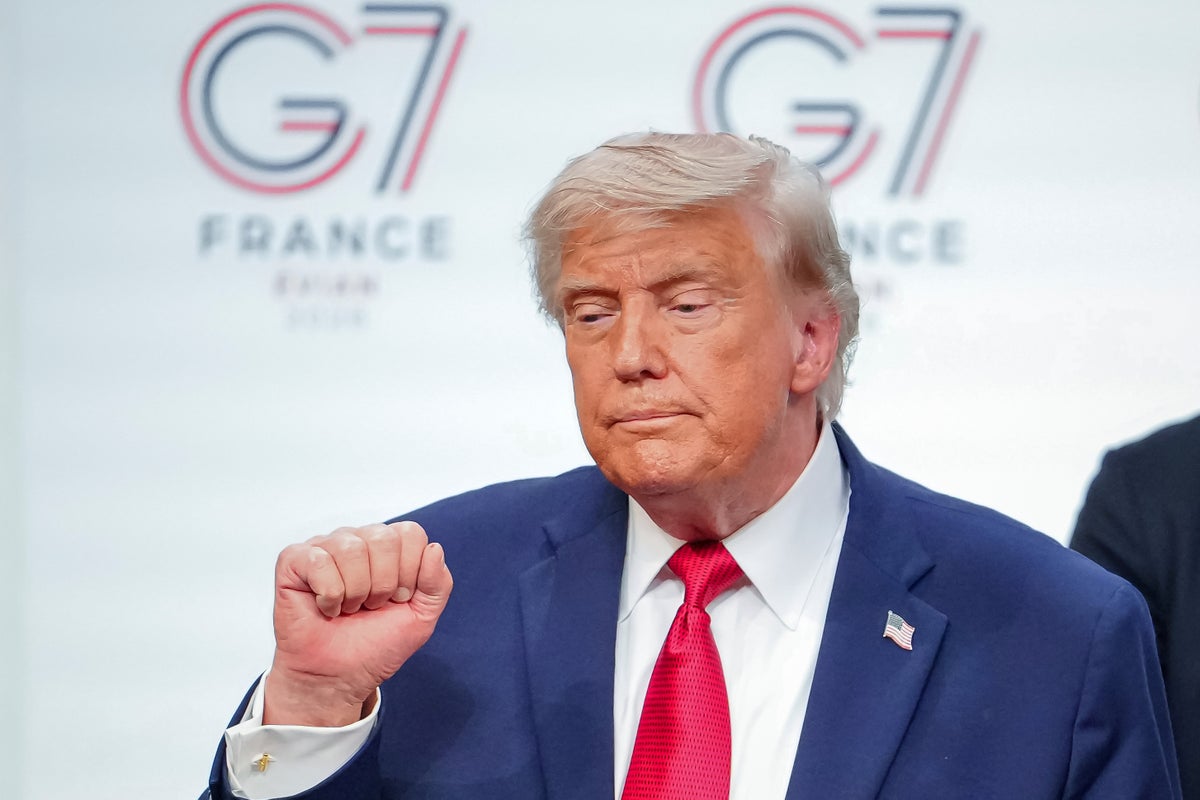
Trump has been completely transparent about his willingness to walk away, stating at the G7 summit that if a final deal isn't reached in 60 days, the US will go right back to dropping bombs. But walking away becomes infinitely harder once Iran has already pocketed billions of dollars in fresh oil revenue and stabilized its domestic economy.
If you want to track whether this deal actually works, ignore the political speeches. Watch the international shipping registries in the Persian Gulf. Watch the Israeli troop movements along the Lebanese border. If tankers refuse to enter the strait, or if artillery keeps echoing in southern Lebanon, this entire diplomatic breakthrough isn't a peace deal. It's just a 60-day intermission before a much larger explosion.
For international businesses and commodity traders, the immediate next step is clear. Don't bet the farm on cheap oil just yet. Diversify your supply lines, maintain your energy hedges, and prepare for extreme market volatility when the calendar hits August and the 60-day clock runs out.