The belief that modern music has objectively declined in quality is a persistent cultural myth, yet it is backed by a physiological reality that has little to do with the actual notes being played. Your brain is a biological machine that peaked during your teenage years, specifically in its ability to bind emotion to melody. This phenomenon, known as the neural nostalgia effect, ensures that the songs you heard between the ages of 12 and 22 will always carry more weight, more color, and more visceral impact than anything you discover as an adult.
It is not that the industry stopped producing "good" music in the year you graduated. It is that your brain’s neuroplasticity slowed down, closing the window on the most intense emotional branding session of your life.
The Biological Imprint of Adolescence
To understand why a three-chord pop song from your high school prom feels like a masterpiece while a modern chart-topper feels like static, you have to look at the prefrontal cortex and the amygdala. During adolescence, these areas are undergoing massive structural shifts. This is a period of heightened sensitivity where the brain is primed to form social identities and intense emotional bonds.
When you hear a song during this window, your brain releases a chemical cocktail of dopamine, serotonin, and oxytocin. Because the adolescent brain is so reactive, these neurochemicals act like a permanent adhesive, sticking the music to your developing sense of self. This creates a reminiscence bump, a psychological period where memories are encoded more deeply than at any other point in your life.
As an adult, your frontal lobes have hardened. The "newness" of the world has evaporated. When you listen to a new track today, your brain processes it through a filtered, weary lens of experience. It lacks the raw, unpolished dopamine spike of a fourteen-year-old hearing their first anthem. You are essentially chasing a high that your biology is no longer capable of producing at the same intensity.
The Cultural Echo Chamber and the Death of Discovery
The music industry has recognized this biological vulnerability and weaponized it. We are currently living through an era of cultural recycling that makes it increasingly difficult for new sounds to break the nostalgia barrier.
Data from market analysts shows that "old" music—defined as tracks released more than 18 months ago—now represents over 70% of the United States music market. Streaming services use algorithms that favor the familiar. If you liked a specific rock ballad in 1998, the platform will feed you sounds that mimic that exact frequency. This creates a feedback loop where the listener is never challenged to form new neural pathways.
The Problem with Algorithmic Homogenization
Modern production techniques have also contributed to the "everything sounds the same" complaint. Through a process called Global Normalization, engineers use software to ensure that every song hits the same loudness levels and frequency ranges.
- Dynamic Range Compression: This technique reduces the gap between the loudest and quietest parts of a song. While it makes music sound "punchy" on smartphone speakers, it strips away the emotional nuance and "breath" that characterized recordings from the 70s and 80s.
- The Millennial Whoop: A specific melodic sequence (alternating between the fifth and third notes of a major scale) that appeared in dozens of hits over the last decade. It’s designed to trigger instant familiarity, even on a first listen.
This homogenization creates a sense of fatigue. When every song uses the same digital percussion kits and the same vocal tuning software, the adult brain—which is already less receptive to new stimuli—simply tunes out. It perceives the music as "bad" because the music is failing to provide a unique sensory signature.
Why Technical Complexity Is Not the Answer
Critics often point to the supposed simplicity of modern music as proof of its inferiority. They cite the intricate arrangements of progressive rock or the harmonic depth of jazz as evidence of a "smarter" era. This is a red herring.
The most enduring songs from any decade, including the ones you love, are often remarkably simple. The difference lies in the analog imperfection of older recordings. Before the advent of flawless digital editing, musicians had to play through entire takes. This introduced micro-fluctuations in timing and pitch—human errors that the brain perceives as warmth and "soul."
Modern music is often gridded to a perfect digital clock. Every beat is exactly where the computer says it should be. For an adult brain looking for a connection, this perfection can feel sterile, like an AI-generated image that looks right but feels "off."
The Social Glue of the Radio Era
Beyond biology and tech, there is a massive sociological factor: the loss of a shared musical language. In previous decades, the limited number of radio stations and TV channels forced a collective listening experience. If a song was a hit, everyone heard it at the same time.
This created a sense of community. When you hear a song from your youth, you aren't just hearing a melody; you are recalling a collective cultural moment. Today, the fragmentation of media means that two people standing next to each other on a train are likely living in completely different musical universes.
Without that shared social reinforcement, new music struggles to gain the "weight" required to stick in the long-term memory. It feels disposable because, in a world of infinite choice, it often is.
Breaking the Nostalgia Loop
If you want to enjoy modern music, you have to fight your own biology. It requires an active effort to bypass the reminiscence bump and engage with sounds that don't immediately "fit" your established identity.
- Seek out friction: Stop relying on "Made for You" playlists. These are designed to keep you in a comfortable, stagnant loop.
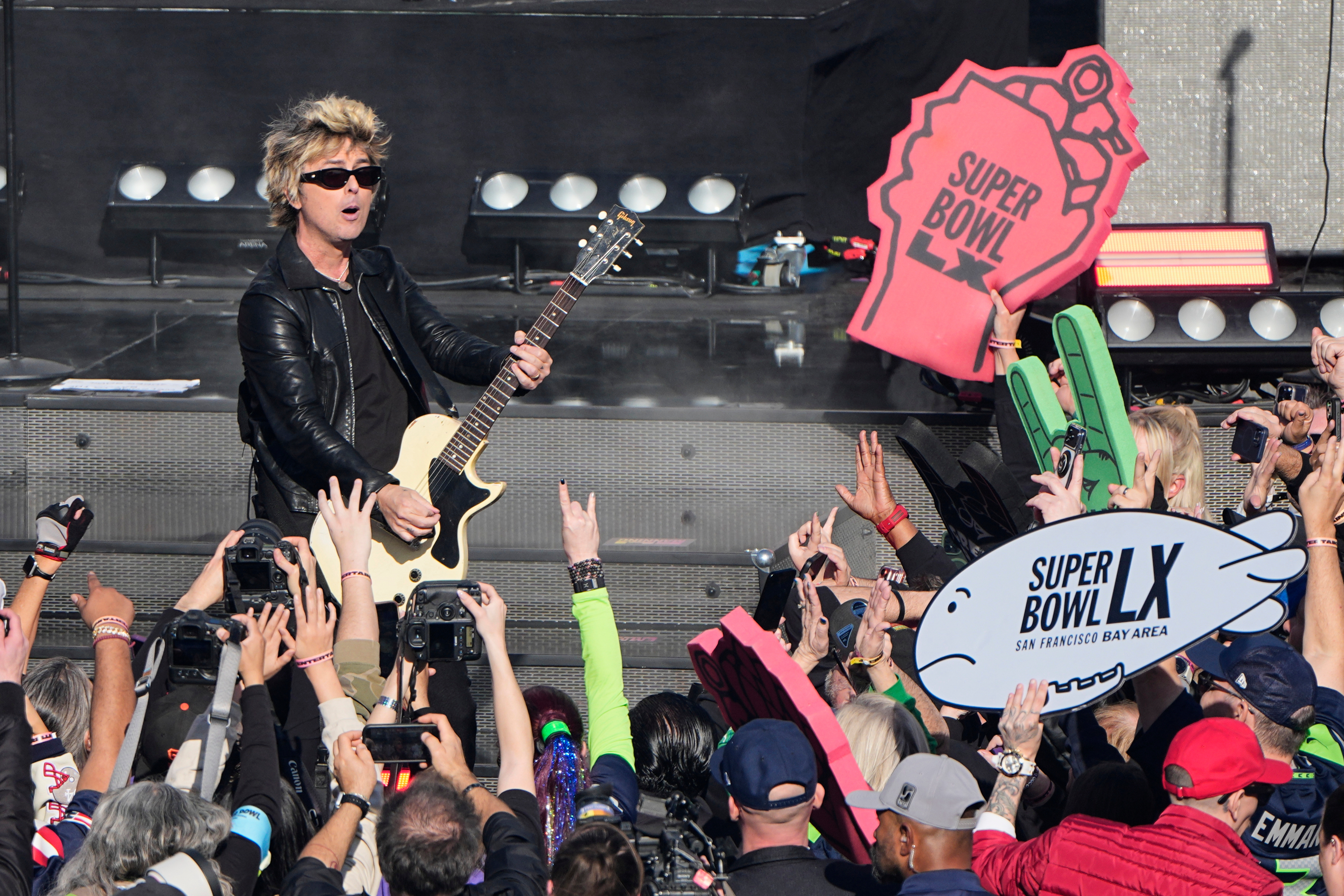
- Attend live performances: The physical vibration of live sound bypasses the digital filters of recorded media and can trigger a more visceral emotional response.
- Listen to full albums: The "single" culture of streaming encourages short-term attention. Deep-diving into an artist’s full body of work allows your brain to build a more complex map of their sound.
The music isn't getting worse; you are just getting older. That is a hard truth for any fan to swallow, but acknowledging the biological bias is the only way to start hearing the brilliance in what is being created today. Your brain is trying to live in the past because that's where the dopamine was easiest to find. Stop letting it win. Turn off the "Best of the 90s" playlist and look for something that makes you uncomfortable. That discomfort is the sound of a new neural pathway being forced open.
Stop mourning a phantom decline and start training your ears to handle the present.