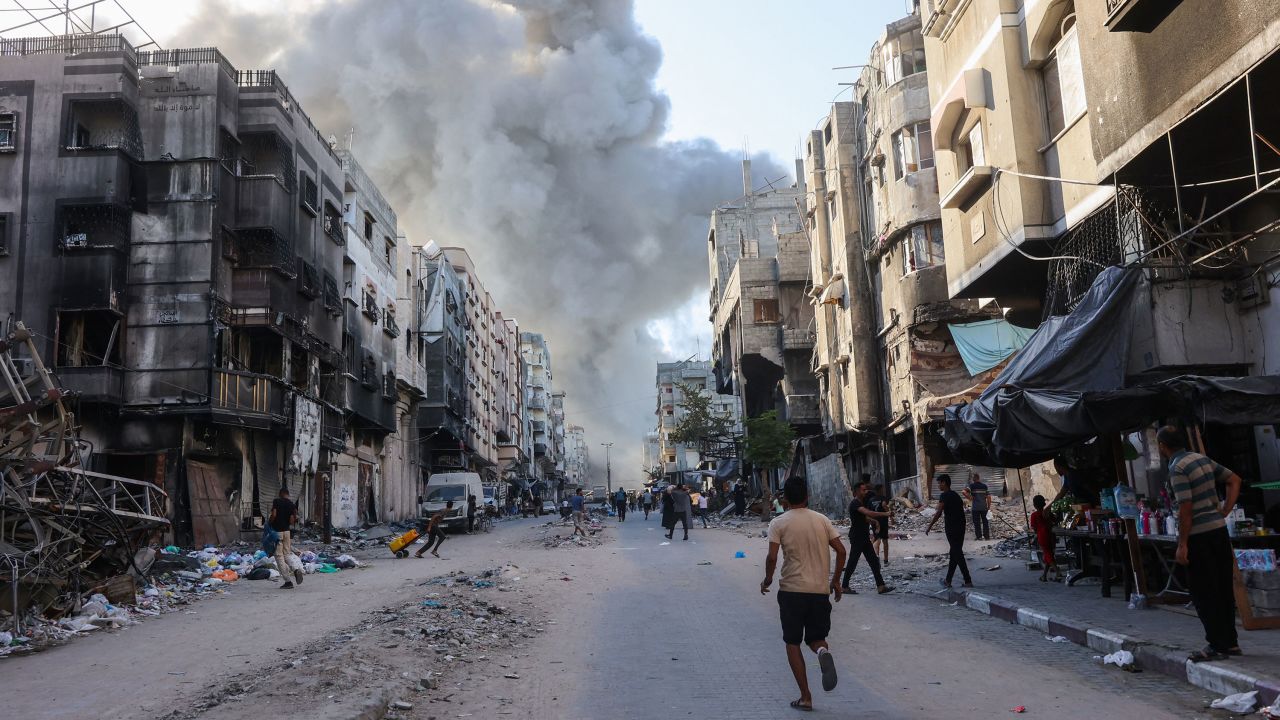
Israel isn't backing down. While the world's watching the ink dry on a two-week truce between the U.S. and Iran, Benjamin Netanyahu just made it clear that Lebanon is a different story. If you thought the ceasefire in the broader regional conflict meant quiet for Hezbollah, you're mistaken.
On April 9, 2026, Netanyahu went on the record to say that the Israel Defense Forces (IDF) will keep hitting Hezbollah "wherever necessary." It's a blunt stance that basically rejects the idea of a "unity of fronts." To the Israeli cabinet, a deal with Tehran doesn't buy safety for the group across the northern border. They're operating on a different clock.
The Security Gap in Northern Israel
The reality for families in northern Israel is still a mess. Even with the "Operation Eternal Darkness" strikes that pounded over 100 targets in 10 minutes earlier this week, thousands of residents can't go home yet. Netanyahu’s message to them is simple: the military won't stop until security is restored.
This isn't just about trading fire. It's about a fundamental shift in how Israel handles threats. After the 2024 war and the massive escalations earlier this year, the "wait and see" approach is dead. The IDF is now using ground maneuvers and precision strikes to dismantle the Radwan Force and Hezbollah's infrastructure before they can even think about a strike.
Why the Iran Truce Does Not Cover Lebanon
You might wonder why a ceasefire with the boss (Iran) doesn't include the proxy (Hezbollah). Tehran is already crying foul, with Parliament Speaker Mohammad Bagher Ghalibaf threatening to walk away from talks in Islamabad. Iran claims the U.S. and Israel are breaking the rules.
Netanyahu's counter is direct. He says he specifically insisted that the temporary agreement with Iran excludes Hezbollah. He’s essentially telling Tehran that their regional influence won't be used as a shield for Lebanese militants. It's a high-stakes gamble. If Iran feels the truce is worthless without Hezbollah’s safety, the whole regional de-escalation could collapse within days.
The Push for a Disarmed Hezbollah
There's a new angle developing in these 2026 negotiations. For the first time, we're seeing a serious push for direct talks between Israel and the Lebanese government. President Joseph Aoun has signaled that Lebanon wants a way out, but Netanyahu has conditions that feel impossible to some.
- Total Disarmament: Israel wants Hezbollah's weapons under the control of the Lebanese state.
- Freedom of Action: The IDF wants the right to strike if they see a re-build.
- Buffer Zones: Maintaining positions on key hilltops to prevent cross-border raids.
Hezbollah isn't just going to hand over its rockets because a diplomat in Washington says so. But the pressure is mounting. Lebanon's internal economy is in tatters, and the government is under fire from its own people to stop letting a militia dictate whether the country gets bombed.
Operation Eternal Darkness and the Litani Crossings
The scale of the recent strikes is hard to wrap your head around. We're talking about 50 fighter jets dropping 160 munitions in a single ten-minute window. They didn't just hit the south; they hit central Beirut and key crossings along the Litani River.
These crossings are the arteries for Hezbollah. By taking them out, the IDF is trying to trap weapons and commanders in specific sectors, making them easier to pick off. It's a strategy of isolation. If you can't move the missiles, you can't use them effectively.
What This Means for the Islamabad Talks
All eyes are now on Islamabad. The U.S. and Iran are supposed to sit down to turn this two-week pause into something permanent. But with Israel continuing to "strike with force, precision, and determination," the atmosphere is toxic.
Netanyahu says his finger is on the trigger. He’s basically telling the negotiators that Israel is prepared to return to full-scale combat at any second if the terms don't meet its security needs. He isn't interested in a "milestone" if that milestone doesn't include a quiet northern border.
Don't expect the sirens in northern Israel to stop just yet. The strikes in Lebanon will likely continue as long as Netanyahu believes the military pressure gives him leverage at the bargaining table. It's a brutal logic, but from Jerusalem's perspective, it's the only one that has moved the needle in the last three years of conflict.
If you're tracking this, keep your eye on the Litani River. That's the real line in the sand. If the IDF pulls back from there, we might have a peace. If they stay, the war in Lebanon is far from over, regardless of what the U.S. and Iran sign.
Check the Home Front Command updates daily if you're in the region. The "permitted to leave protected spaces" status can change in a heartbeat when the IAF is in the air.