The Data Literacy Crisis in Reproductive Rights
The headline screams that a quarter of all abortions in the United States have been "prohibited" by a single court ruling. It is a terrifying figure designed to trigger a donation reflex, not to inform. If you look at the actual movement of patients, the evolution of telehealth, and the reality of the post-Dobbs "gray market," that twenty-five percent figure doesn't just crumble—it reveals a fundamental misunderstanding of how modern medicine bypasses physical borders.
Mainstream reporting treats abortion access like a physical commodity from the 1950s—if the local shop closes, the customer starves. This is a massive failure of analysis. We are living through the most significant decentralization of healthcare in history, yet the media remains obsessed with a map of physical clinics that matters less every single day.
The Clinic Is No Longer the Variable
For decades, the "lazy consensus" has been that reproductive rights are synonymous with "brick-and-mortar access." When a court issues a stay or an injunction against a specific procedure, the immediate reaction is to count the number of clinics in that jurisdiction and subtract their total annual patient volume from the national total.
This is bad math. It assumes a static population.
I’ve spent years analyzing healthcare delivery systems, and the one thing that remains constant is that demand for essential services is incredibly inelastic. When a legal barrier goes up, the "quarter of all abortions" doesn't simply vanish. It shifts. It morphs. It goes digital.
The reality is that medication abortion now accounts for more than 60% of all abortions in the U.S. This is a chemical reality that judicial ink cannot easily erase. When a ruling restricts a specific method or a specific timeframe, it doesn't "prohibit" the act; it forces a migration to the mail-order system. The "quarter" cited by your favorite news outlet is actually a measure of legal friction, not a measure of total procedures.
Why the "Total Ban" Narrative is Strategically Lazy
By framing every restrictive ruling as a "total ban" for a specific percentage of the population, activists and journalists are actually doing the opposition's work for them. They are creating a psychological environment of "learned helplessness."
If you tell a woman in a "red" state that 25% of abortions are now illegal, she might believe she has zero options. In reality, she has access to:
- Shield Law Providers: Doctors in states like Massachusetts or New York who mail pills to restrictive states under the protection of local laws.
- International Pharmacies: Non-profits operating outside U.S. jurisdiction that ship WHO-approved medications directly to doorsteps.
- Community Support Networks: Decentralized groups that have spent the last three years building a logistics chain that rivals Amazon for efficiency.
The competitor's article ignores these because they don't fit into a clean, sensationalist headline. They want you to believe the court has a "delete" button for healthcare. It doesn't. It only has a "make it more annoying" button.
The Judicial Paper Tiger
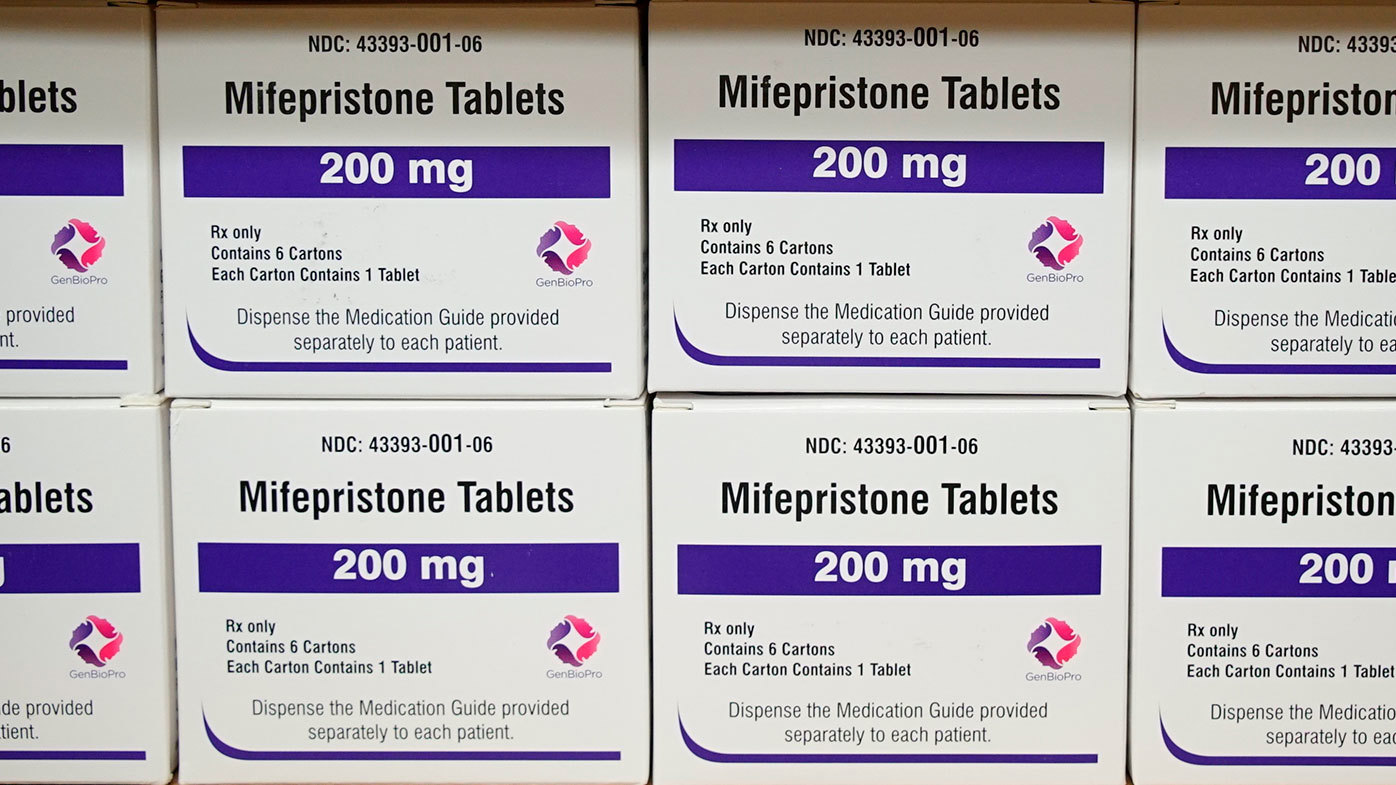
Let’s talk about the actual mechanics of the law. A court ruling that limits the distribution of a drug like mifepristone—often the catalyst for these "quarter of all abortions" claims—is frequently treated as a finality.
But look at the legal history. We saw this with the Texas SB8 law and the subsequent Fifth Circuit maneuvers. Every time a "ban" is announced, the immediate result isn't a cessation of services; it’s a massive spike in "stockpiling" and the rapid adoption of the "Misoprostol-only" protocol.
Misoprostol is an ulcer medication. It is widely available, cheap, and virtually impossible to ban without crashing a dozen other sectors of the medical industry. Any ruling that claims to "prohibit" abortions while leaving misoprostol on the shelves is a ruling that exists only on paper. It is a political performance, not a functional blockade.
The Cost of the Wrong Conversation
The danger of the "25% prohibited" narrative is that it focuses all our national energy on the wrong battleground. We spend billions of dollars and millions of man-hours fighting over the geographic location of clinics while the real war is being fought over Digital Privacy and Postal Autonomy.
If you want to protect reproductive rights, stop crying about a courtroom in Amarillo and start worrying about your VPN. The real "ban" won't come from a judge’s gavel; it will come from a prosecutor using your search history and your period-tracking app against you.
The media’s obsession with "clinics closed" is a distraction from the fact that the state is now trying to police the inside of your mailbox and the data on your phone. By focusing on the "prohibition" of the act, we ignore the "surveillance" of the individual.
The Nuance Nobody Admits
Here is the part where I lose the partisans on both sides: Restrictions do work on a specific, vulnerable demographic. But it’s not 25%.
The people who are actually "prohibited" are those living in deep poverty without internet literacy or reliable mailing addresses. For everyone else, a "ban" is just an invitation to use a different browser.
When we lump the college student with a laptop in with the rural worker without a car, we fail to solve the problem for either. We treat abortion as a monolithic "right" rather than a logistical challenge.
- The Problem: Clinically-led, state-sanctioned abortion is being squeezed.
- The Reality: Self-managed abortion is exploding.
If you are still writing articles about "a quarter of all abortions being banned," you are reporting on a war that ended in 2022. You are looking at the rubble of the old system and ignoring the skyscraper being built right next to it.
Stop Asking "Is it Legal?" and Start Asking "Is it Accessible?"
The legal status of a procedure is increasingly decoupled from its availability. In the age of the encrypted message and the global pharmacy, "legality" is a luxury for the comfortable. For those on the ground, the only metric that matters is "can I get the pills?"
The answer, despite the dire headlines, remains "yes" for the vast majority of that "prohibited" 25%.
The judicial system is trying to regulate a liquid in a world of sieves. Every time they tighten the grip, the volume of pills moving through the mail increases. Every time they "close" a clinic, a telehealth start-up gains 10,000 users.
The court didn't prohibit a quarter of abortions. They just moved them from the exam room to the living room.
The "prohibition" is a ghost. The clinics are the past. The mail is the future.
Get used to it.