The rain does not fall in Nepal during the height of the monsoon; it arrives as a weight. It presses down upon the corrugated tin roofs of Kathmandu with a relentless, deafening percussion, turning narrow alleys into rushing brown canals. Up in the high folds of the Himalayas, where the vertical world defies human comfort, that same rain is something far more terrifying. It is an invitation to collapse.
Water has a long memory and an infinite patience. For months, the earth bakes under a blistering pre-monsoon sun, baking deep fissures into the clay slopes. When the sky finally breaks open, the thirsty ground drinks greedily at first. Then it chokes. The soil swells, losing its internal friction, turning from a solid foundation into a heavy, liquid grease. Learn more on a related subject: this related article.
Consider a hypothetical resident named Maya, living in a hillside settlement perched precariously above the roaring Trishuli River. To picture Maya is to picture millions across the Hindu Kush Himalayan region. She is neither a statistic nor a headline; she is a mother listening to the midnight roar of the valley, wondering if the retaining wall she built with her own hands last winter will hold back the hillside or become part of the avalanche. Her world is measured in centimeters of rising water and the sickening, wet groan of shifting bedrock.
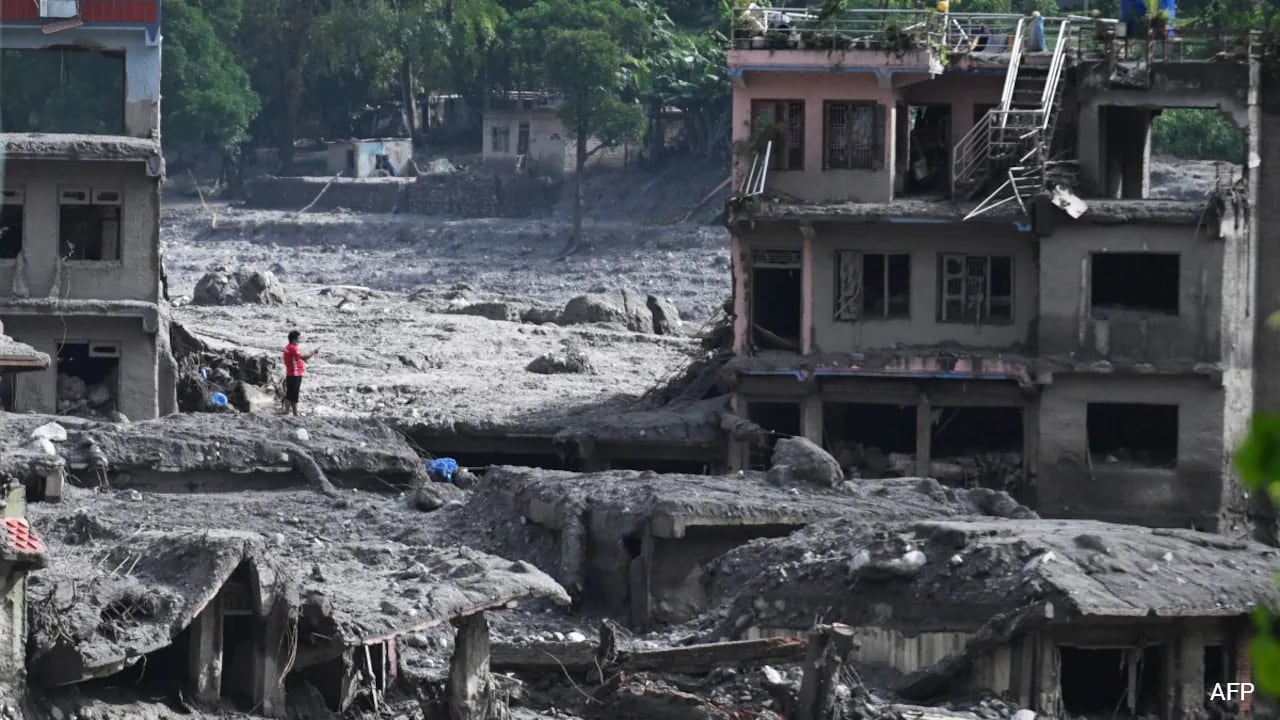
When the hillsides give way, they do not slip politely. They tear. Entire sections of terraced fields—green with the promise of autumn rice—vanish in seconds, swallowed by grey torrents of mud, boulders, and uprooted pine trees. Highways carved into cliff sides simply cease to exist, leaving jagged edges hanging over empty air. Further reporting by TIME delves into similar views on this issue.
The numbers behind these events are staggering, yet they often fail to capture the human scale of the disruption. According to disaster management reports and meteorological data compiled over decades, Nepal experiences hundreds of flood and landslide events every single monsoon season. Entire districts are cut off from the outside world. Bridges that span churning gorges are snapped like dry twigs. Electricity poles are pulled down like rotten teeth, plunging valleys into darkness just when illumination is most desperately needed.
Yet, the crisis is not merely a seasonal tragedy of bad weather. It is a collision between ancient geological fragility and a rapidly warming planet. The Himalayas are among the youngest, steepest, and most seismically active mountains on Earth. They are constantly rising, and just as constantly eroding. But the intensity and frequency of the recent downpours have shifted the baseline. Monsoon patterns have become erratic, compressed into shorter, more violent bursts of precipitation. Where a month might once have seen a steady, manageable soaking, modern weather systems dump weeks of rain in a matter of hours. The soil simply cannot keep pace with the sky.
Down in the valleys, the rivers swell beyond their banks with terrifying speed. The Koshi, the Narayani, the Karnali—waterways born from melting glaciers and high-altitude springs—transform into monstrous, debris-laden sludge. They carve new paths through farmland, swallowing villages whole and stranding families on patches of high ground. In urban centers like the Kathmandu Valley, rapid, unregulated construction has paved over natural drainage channels, turning concrete streets into raging rivers that sweep away vehicles and trap pedestrians in swirling eddies.
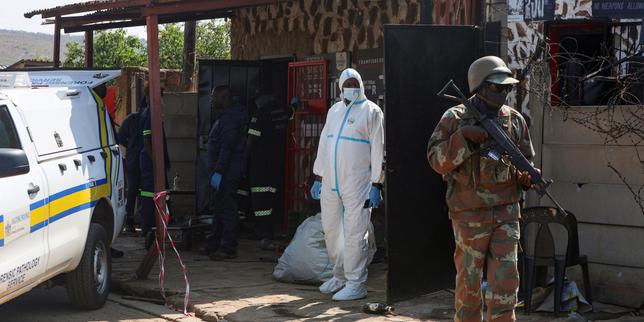
Rescue operations in such terrain border on the impossible. Helicopters cannot fly through thick monsoon clouds and howling mountain winds. Soldiers and police officers hike for hours through blinding downpours, carrying stretchers and emergency supplies on foot over treacherous, washed-out trails. Every rescue is a gamble against the next slope letting go. Every relief camp set up in school yards or open fields fills quickly with wet, traumatized families clutching whatever meager belongings they managed to grab before their homes dissolved into the mud.
The economic fallout is just as devastating, though it unfolds more quietly. Farmers lose their entire annual harvest overnight. Livestock are swept downstream. Small businesses, dependent on the trickle of tourists or the daily rhythm of local trade, find their supply lines severed indefinitely. The cost of rebuilding roads, bridges, and hydroelectric plants strains a developing economy, diverting funds away from education and healthcare into a perpetual cycle of disaster recovery.
We look at these disasters through the safe, sterile lens of smartphone screens. We see thirty-second clips of brown water rushing through ancient courtyards or aerial shots of a mountainside sheared completely clean. Then we scroll away. We return to our coffee, our air conditioning, our dry carpets.
But for Maya and her neighbors, the story does not end when the cameras pack up. The monsoon recedes eventually, leaving behind a landscape scarred by massive grey gashes of exposed earth. The mud hardens into concrete-like crusts over once-fertile fields. The rivers carve new, unpredictable channels through properties that families have owned for generations. People must decide whether to rebuild on the very same unstable slopes that nearly killed them, because survival leaves few alternatives.
The mountains are speaking a language of erosion, climate stress, and overloaded ecosystems. They are reminding us that human ambition—our highways, our terraced farms, our concrete cities—exists entirely at the mercy of geological time.
Listen closely to the next heavy rain against your window. Imagine that sound amplified a thousand times, echoing off stone walls, drowning out the sound of your own voice, shaking the very floor beneath your feet. That is the sound of the earth resetting its balance. And until we learn to respect the boundaries of that ancient, shifting world, the rain will keep falling, and the mountains will keep coming down.