The air at seven thousand meters does not sustain human ambition. It merely tolerates it, thinly and with conditions.
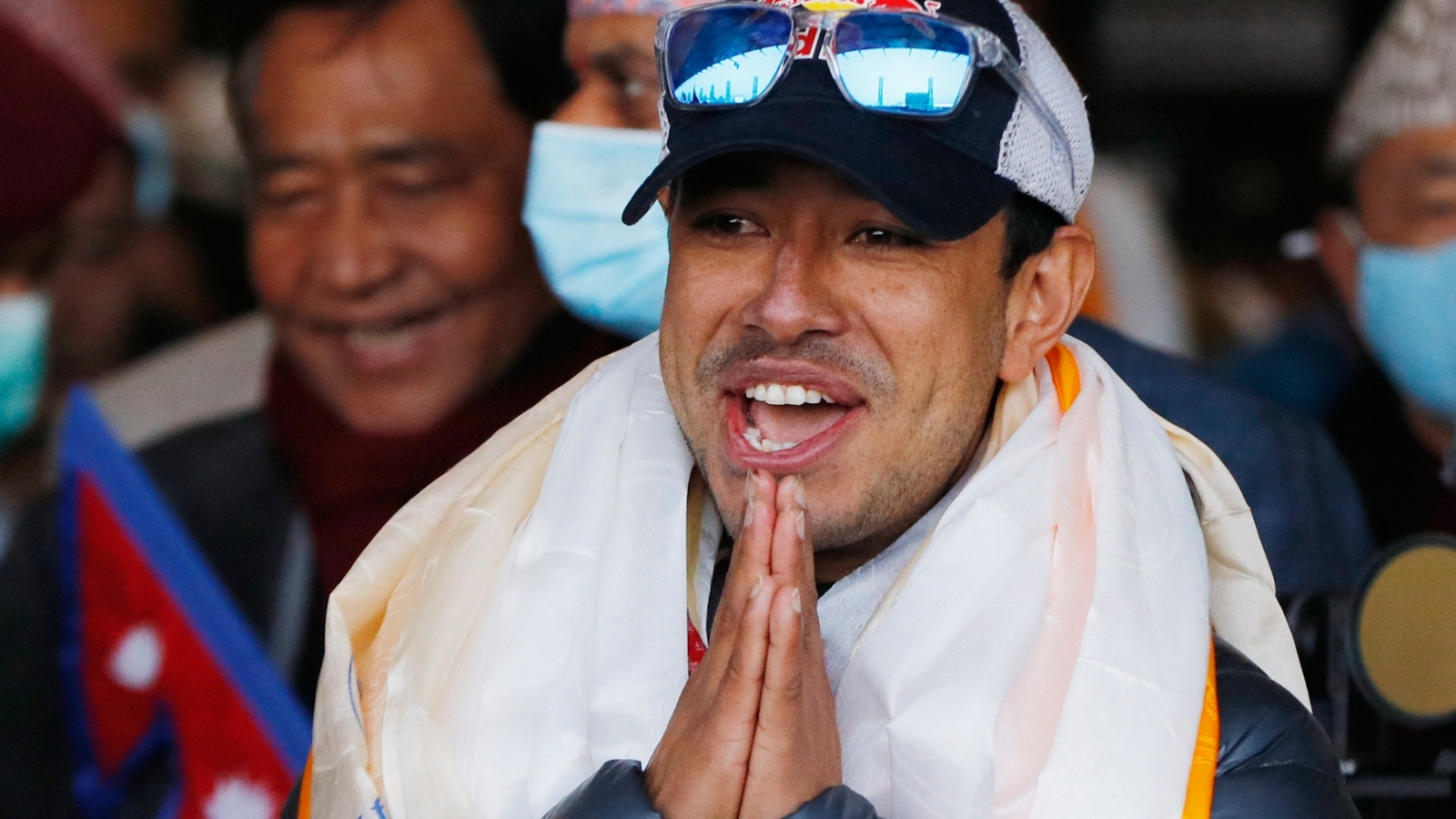
When a wall of white broke loose on Pakistan's Broad Peak, it did not care about previous glory or modern legends. It simply moved with the unthinking gravity of the Karakoram range, sweeping a ten-member expedition nearly a thousand meters down the jagged face. Among those caught in the sudden violence was Nirmal Purja, the man globally known as Nims Dai, whose very name had become synonymous with the idea that no summit was impossible.
Except, mountains remain indifferent to reputation.
For followers of high-altitude mountaineering, the initial reports read like an impossible headline. Four bodies recovered. Six climbers missing. Communication severed. Alongside Purja, the team included climbers whose individual stories had brought them from disparate corners of the globe to this frozen ridge: Pur Bahadur Gurung, Nadhira Ahmed Abdullah Al Harthy—Oman's climbing pioneer—American climber Mallory Geis, who had recently traded a predictable life of running a Pilates studio for a terrifying leap into the unknown, alongside regional and international teammates who shared a singular hunger for the upper troposphere.
Consider what happens next on a mountain like Broad Peak.
The weather closes in. Army aviation helicopters, tethered by gravity and gale-force winds, sit grounded or beat against invisible walls of mist and ice. Time stretches. Down at the base camps and across international borders, families and partners begin the agonizing wait. GPS trackers, once pulsing with steady coordinates, tell a terrifying story of sudden, violent descent before going quiet. Or, in rare and confusing flickers of hope, a tracker shifts location unexpectedly, suggesting a survivor moving independently or a signal drifting in the debris.
Uncertainty is a cruel companion.
To understand why climbers return to these giants despite the perpetual threat of avalanches, one has to look past the romanticized cinematic portrayals. Mountains like Broad Peak, standing in the towering shadow of K2, are technical nightmares. They demand absolute precision, an unyielding psychological constitution, and an acceptance of risk that defies ordinary survival instincts. Purja spent years redefining what humanity could achieve in these harsh extremes, most notably storming through all fourteen of the world's eight-thousand-meter peaks in a record-shattering six months, a feat that reshaped the perception of elite Nepali mountaineers who had long carried the invisible weight of Western expeditions without equal acclaim.
Yet, the mountain extracts its toll without malice or favor.
Rescue teams coordinated by the Alpine Club of Pakistan and local authorities face monumental obstacles as they push into the upper camps. Drones scan the snowfields. Ground teams push overland where helicopters cannot safely tread. Every recovery operation at this altitude is a race against plunging temperatures and unstable snowpacks.
The wind howls across the Karakoram, carrying no answers back to the valleys below. The summit remains pristine, cold, and entirely silent.


