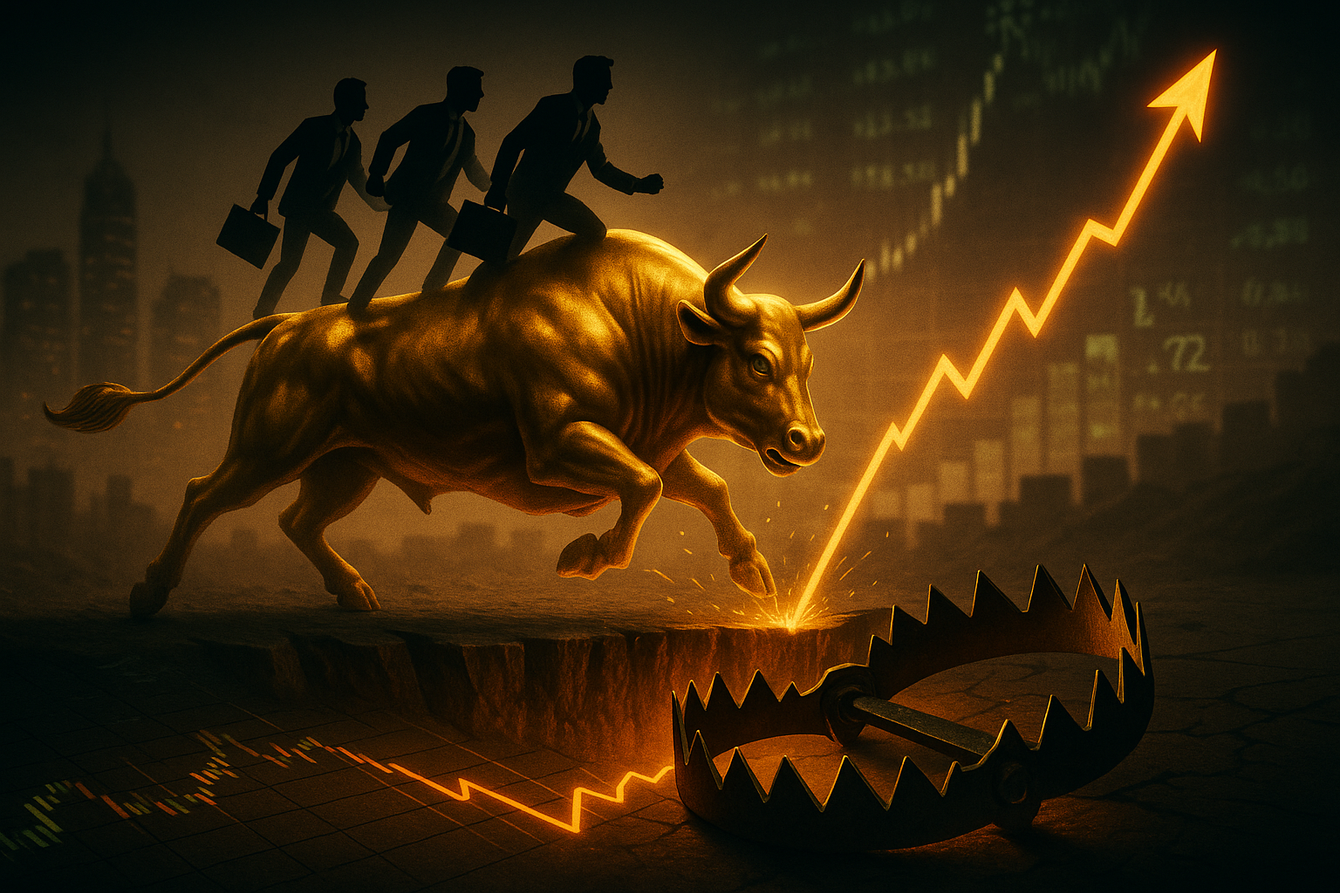
You check your portfolio in the morning and see green tech stocks staring back at you, only to watch oil spikes erase those gains by lunchtime. It is a exhausting loop. Modern financial markets are caught in a massive tug-of-war. On one side, endless liquidity pours into artificial intelligence infrastructure. On the other side, persistent geopolitical friction in the Middle East threatens global energy supplies and sends bond yields climbing. If you are trying to make sense of why your stock picks feel bipolar lately, you aren't missing something—you're just watching two completely different economic realities crash into each other.
Most retail investors try to treat this market like a normal cycle. Big mistake. You cannot evaluate a tech-heavy index using old playbooks when equity valuations depend simultaneously on miraculous data center earnings and the stability of the Strait of Hormuz.
The High Cost of the Artificial Intelligence Gold Rush
Let's talk about the elephant in the room. Big Tech companies are spending incomprehensible sums of money on artificial intelligence infrastructure. Alphabet recently eyed massive capital raises, while hardware giants like Hewlett Packard Enterprise post explosive quarters fueled entirely by data center demand. Wall Street loves the top-line growth. Earnings reports look incredible on paper.
Yet, institutional skepticism is creeping in. Hedge fund managers and veteran short-sellers are starting to sound alarms about the sheer magnitude of this capital expenditure. When companies throw billions at chips, cooling systems, and server farms, they are betting the house that future demand will justify every single penny.
The market split is obvious. If you own the right chipmakers or server providers, you are riding a wave of unprecedented momentum. If you look closely at the debt required to fund these builds, you start to see why bond yields are reacting violently.
Geopolitics Trumps Corporate Earnings Every Single Time
You can build the most efficient language model in human history, but it won't matter if crude oil prices spike because supply lines through the Middle East face active threats. Traders love to ignore foreign policy until a cargo bottleneck or military escalation forces their hand.
When US-Iran tensions flare up or diplomatic talks stall, energy markets react instantly. Higher oil prices feed directly back into sticky inflation metrics. That triggers a predictable chain reaction:
- Bond yields climb as fixed-income investors demand higher risk premiums.
- Growth stocks take a direct hit as future cash flows are discounted at higher rates.
- Safe-haven assets attract panic buying while risk appetite dries up overnight.
This creates a brutal daily whipsaw. Morning optimism driven by corporate earnings gets completely dismantled by afternoon headlines about shipping lanes and geopolitical posturing.
How to Position Your Portfolio Right Now
Stop trying to time every geopolitical headline. You'll lose your mind and your capital. Instead, focus on structural realities that survive market volatility.
Diversification isn't a buzzword; it's your primary shield against macro shocks. If your portfolio is entirely exposed to high-multiple tech stocks riding AI tailwinds, a sudden spike in energy costs or a bond market selloff will punish you severely. Balance those growth allocations with cash-generative businesses that have pricing power and low debt loads.
Pay attention to what bond markets are telling you, because the fixed-income crowd usually smells trouble long before equity investors panic. When yields on long-dated treasuries climb toward multi-decade highs, equity valuations have to compress. Respect that math.
Keep your dry powder ready. Markets driven by headline anxiety create massive mispricings. When algorithmic sellers panic over geopolitical noise while underlying business fundamentals remain intact, that is your window to act. Don't fight the tug-of-war. Learn to trade inside it.