Blaming a twenty-cent hike in the price of milk on geopolitical instability in the Middle East is the ultimate corporate shell game. It is a convenient, tidy narrative that allows retail giants to shrug their shoulders and point at a map while tightening the screws on the Australian consumer. The media laps it up because "War Drives Prices" is a headline that writes itself.
The reality is far more cynical. Linking the price of a liter of full-cream milk in a Melbourne suburb to tensions thousands of miles away is a masterclass in obfuscation. It relies on the assumption that the average shopper understands just enough about global supply chains to be scared, but not enough to spot the mathematical sleight of hand. You might also find this connected article interesting: Why Your Petrol Receipts Just Got Uglier and What It Means for UK Inflation.
The Geopolitical Scapegoat
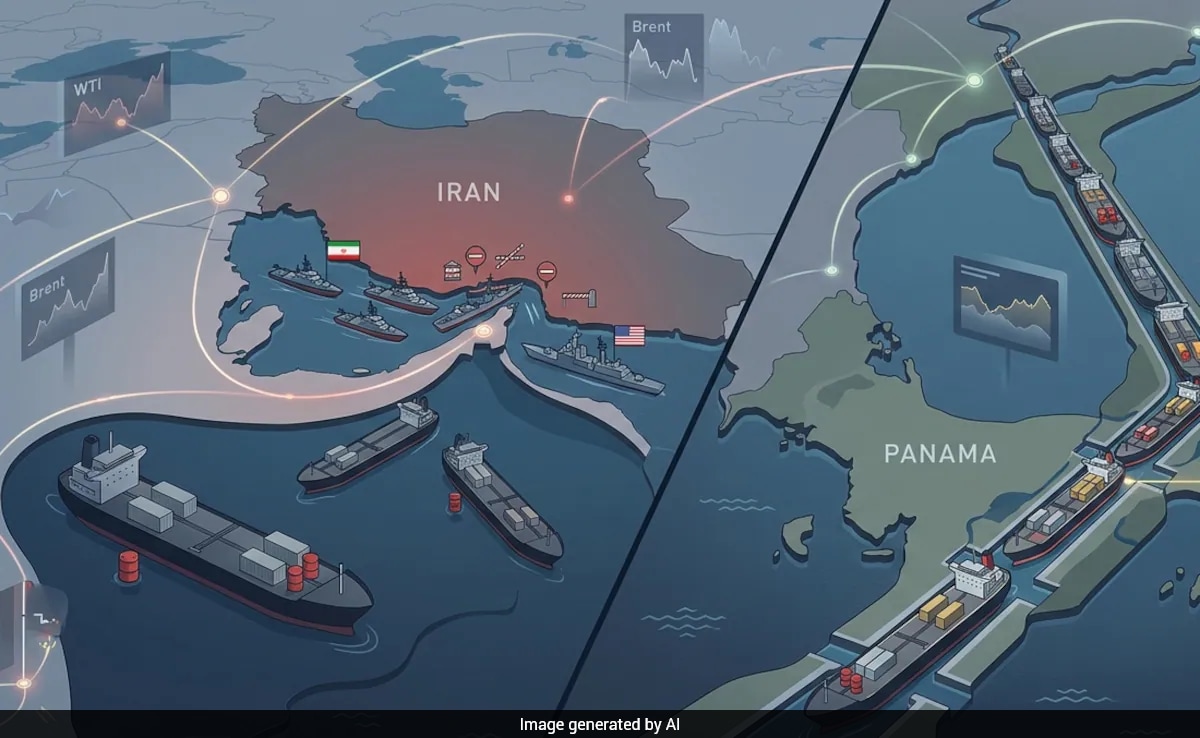
The argument usually goes like this: Conflict in the Middle East drives up crude oil prices. Higher oil prices mean higher transport costs for farmers and logistics firms. Therefore, the price of milk must rise to cover those margins.
It sounds logical until you actually look at the cost breakdown of a bottle of milk. Energy and fuel costs are certainly factors, but they are not the primary drivers of a 20-cent jump in a single cycle. If oil prices fluctuate by 5%, the actual impact on a unit of milk is measured in fractions of a cent, not a double-digit percentage increase at the checkout. As highlighted in detailed reports by The Economist, the results are notable.
Coles and its competitors are not reacting to an immediate surge in overheads. They are practicing anticipatory margin protection. They see a global headline that suggests inflation might happen, and they use it as social permission to raise prices before those costs even hit their ledger. It is a psychological play, not a fiscal necessity.
The Myth of the Farmer’s Benefit
Whenever these price hikes occur, the secondary narrative is that the extra money is "supporting our farmers." This is a PR tactic designed to make price gouging feel like an act of patriotism.
Having spent years analyzing retail supply chains, I’ve seen the "farm-gate price" remain stagnant or even drop while the shelf price climbs. The gap between what a dairy farmer gets per liter and what you pay is widening. The 20-cent increase does not trickle down to the person milking the cows; it gets trapped in the corporate middle.
Farmers are facing genuine crises—rising fertilizer costs and water scarcity—but these are structural domestic issues. They aren't caused by a skirmish in the Red Sea. By bundling these local struggles with global "war costs," retailers create a fog of war that prevents anyone from asking where that 20 cents actually goes. Hint: check the next quarterly earnings report.
The Duopoly’s Invisible Hand
Australia has one of the most concentrated grocery markets in the developed world. In a true competitive market, one player would absorb the marginal increase in transport costs to steal market share from the other. Instead, we see "shadow pricing," where one major chain raises prices and the other follows suit within days, citing the same global pressures.
This isn't a conspiracy in the illegal sense; it’s a comfortable stalemate. They know you have nowhere else to go. When they blame the Middle East, they are essentially telling you that the economy is a force of nature they cannot control.
They can. They choose not to.
Breaking Down the Real Math
Let’s look at the actual variables that dictate the price of Australian milk:
- Domestic Labor Costs: The real pressure is the shortage of skilled labor in regional Australia.
- Energy Policy: Domestic gas and electricity prices, driven by local policy failures, outweigh global oil fluctuations in the processing phase.
- Packaging: The cost of resin for plastic bottles is tied to global markets, but again, the lag time between oil price spikes and bottle manufacturing is months, not days.
When a retailer raises the price of milk by 20 cents overnight, they are baking in a massive buffer. They aren't just covering a cost; they are expanding their margin under the cover of a "crisis."
The "People Also Ask" Fallacy
People often ask: "Why is milk so expensive now?"
The answer you get from corporate spokespeople is a list of external pressures. The honest answer is that the price is whatever the market will tolerate. Because milk is a "loss leader"—a staple that brings people into the store—retailers have historically kept prices artificially low to kill off independent milk bars and small grocers.
Now that the competition is largely dead, the "loss leader" strategy is being retired. The price of milk is "normalizing" to a level that guarantees profit, and global instability is just the excuse they needed to pull the trigger.
The Solution Isn't Subsidy
We don't need more government inquiries into "supermarket price gouging" that result in a slap on the wrist and a 200-page report no one reads. We need to stop buying the narrative.
If you want to actually help farmers and stop paying the "war tax," stop buying your milk at the duopoly. Find a local co-op. Buy direct if you can. The moment their volume drops, those "unavoidable global costs" will miraculously disappear as they scramble to bring customers back with "Lowered Prices" campaigns.
The next time you see a headline blaming the Middle East for the price of your morning coffee's milk, remember: the geography doesn't add up. You aren't paying for global stability. You are paying for a corporate safety net.
Stop being a voluntary participant in their PR machine. Demand the real receipts or change where you spend your money. If you keep paying the 20 cents without a fight, expect another 30 cents the next time a headline looks scary.