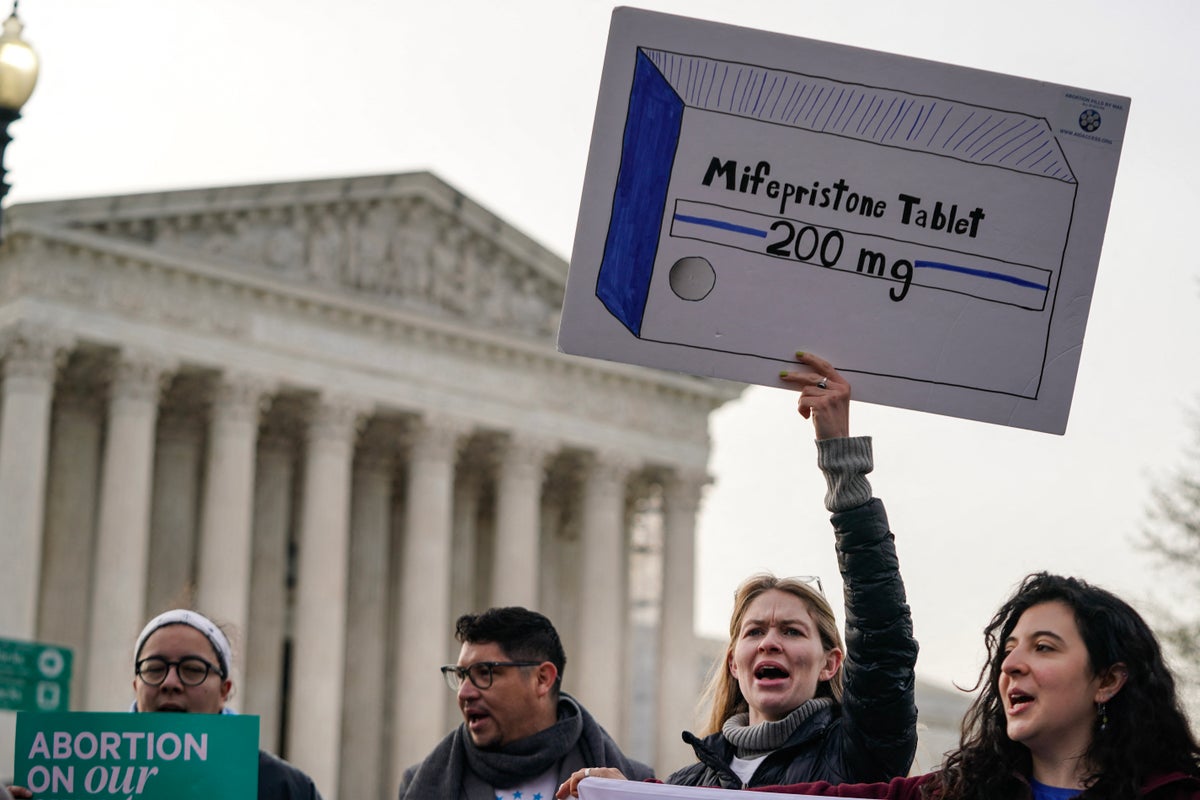
The mainstream media is taking a victory lap over the Supreme Court’s decision to preserve access to mifepristone. They are calling it a "win for science" and a "shield for the FDA." They are wrong. What we just witnessed wasn't a defense of reproductive healthcare or a validation of regulatory expertise. It was a masterclass in judicial avoidance that leaves the door wide open for a far more devastating structural collapse of how we access medication in this country.
If you think this case was about "protecting the pill," you fell for the headline. It was actually about Article III standing, a dry legal concept that just became the most dangerous variable in American medicine. By dismissing the challenge from the Alliance for Hippocratic Medicine because they couldn't prove "direct harm," the Court didn't say the FDA was right. They just said these specific plaintiffs were the wrong people to complain.
This isn't a victory. It’s a stay of execution.
The Standing Trap: Why This "Win" is Fragile
The consensus view suggests that the FDA’s authority is now "safe." This ignores the reality of how litigation works. Justice Kavanaugh’s opinion was clear: the doctors suing didn't prescribe the drug and weren't forced to use it. Therefore, no case.
But look at the shadow this casts. The Court essentially gave a roadmap to future litigants. If a state attorney general or a group with a more direct "injury" steps up, the entire merits of the FDA's 2016 and 2021 deregulation are back on the chopping block. We are living in a temporary reprieve, not a permanent settlement.
The media obsesses over the "abortion drug" label, but the real threat is to the New Drug Application (NDA) process itself. If a group of judges can eventually overturn a clinical safety determination because of a procedural "vibe check," the multi-billion dollar R&D pipeline for every drug—from insulin to cancer immunotherapy—becomes a gamble.
The Myth of "Settled Science" in the Courtroom
The competitor articles love to quote "scientific consensus." They act as if the FDA is an infallible temple of truth. It isn't. As someone who has watched regulatory bodies for decades, I can tell you that the FDA is a bureaucratic entity that responds to political pressure and industry lobbying as much as it does to double-blind studies.
However, the alternative—having a district judge in Amarillo, Texas, play amateur toxicologist—is worse. The "lazy consensus" says we should trust the FDA because they are experts. The contrarian truth? We should trust the FDA because the alternative is a chaotic patchwork of 50 different states' versions of medical reality.
The Court didn't protect the science. It protected its own docket. By punting on standing, they avoided the uncomfortable conversation about the Chevron Doctrine and the narrowing scope of agency power.
The Comstock Act: The Elephant in the Room
Everyone is celebrating the "preservation of access" while ignoring the 19th-century ghost hovering over the entire pharmacy industry: The Comstock Act.
The plaintiffs argued that mailing mifepristone violates this 1873 law which prohibits sending "obscene" or "abortion-related" materials through the mail. The Supreme Court didn't touch this. They didn't have to. But the next administration's Department of Justice could easily decide to enforce it.
Imagine a scenario where the FDA says a drug is legal, the Supreme Court says the drug is legal, but the Post Office is told that delivering it is a felony. That is the world we are moving toward. Access isn't just about a court ruling; it’s about the logistics of delivery. The "victory" of June 2024 does nothing to stop a 2025 executive order from effectively banning the mail-order pharmacy model that millions of Americans rely on for everything from birth control to antidepressants.
Stop Asking if the Drug is Safe
The "People Also Ask" sections of the web are filled with queries like "Is mifepristone safe?" or "Does the Supreme Court ruling mean the drug is dangerous?"
These are the wrong questions. The safety profile of mifepristone is better documented than that of Tylenol or Viagra. The real question is: Is the FDA’s administrative state still functional?
If we allow the legal system to bypass the clinical trial framework, we aren't just debating abortion. We are dismantling the stability of the entire healthcare economy.
- Investment Risk: Venture capital won't flow into biotech if a single lawsuit can invalidate a decade of research.
- Provider Fear: Doctors are already practicing "defensive medicine" in states with bans. This ruling doesn't remove the cloud of potential prosecution for providers who cross state lines via telehealth.
- Patient Confusion: When the legal status of a pill changes every six months based on which circuit court is in session, patients stop seeking care.
The Actionable Truth for the Healthcare Industry
If you are an executive in the pharma space or a provider on the ground, do not take this ruling as a sign to relax. The era of "regulatory certainty" is dead.
- Diversify Delivery: Stop relying on a single distribution method. If mail-order is under threat from the Comstock Act, physical clinical footprints must be reinforced.
- Audit Your Standing: If you are a healthcare company, realize that your ability to sue—or be sued—now hinges on increasingly narrow definitions of "harm."
- Ignore the "Win": Treat this ruling as a tactical retreat by the judiciary. They didn't change their minds on the underlying ideology; they just realized they didn't have the right paperwork in front of them yet.
The legal battle over mifepristone was never about the drug's safety. It was a stress test for the American administrative state. The test isn't over. We just survived the first round on a technicality.
The Supreme Court didn't save mifepristone. It just gave the opposition a chance to sharpen their knives for a more precise strike. Stop cheering and start preparing for the reality that your medicine cabinet is now a political battleground, regardless of what the FDA says is safe.
The next case won't be dismissed for lack of standing. And when it arrives, the "science" won't be enough to save you.