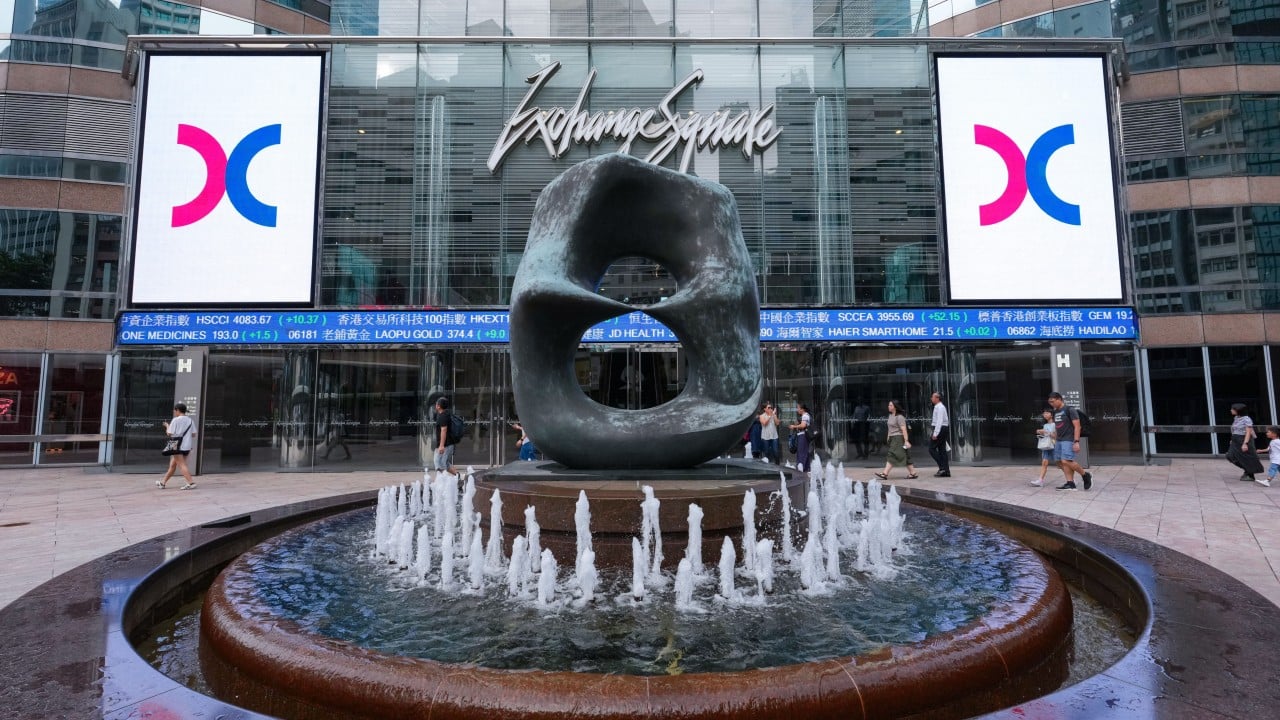
Exchanges operate under the persistent pressure of temporal compression. As digital asset markets trade continuously and global peers like Nasdaq experiment with twenty-three-hour schedules, traditional equity markets face acute pressure to expand their operating windows. Hong Kong Exchanges and Clearing has initiated discussions regarding a structural extension of its cash market hours and the potential elimination of its midday lunch break. While framed as a measure to enhance international competitiveness against Western venues and virtual asset platforms, this initiative exposes deep structural trade-offs across liquidity distribution, operational cost functions, and cross-border clearing mechanisms with Mainland China.
To evaluate the validity of extending trading hours, the operational changes must be isolated from the rhetorical justifications. Market participants do not evaluate session length by its duration; they evaluate it by liquidity density and risk management capability.
The Three Structural Vectors of Market Extension
Expanding an exchange schedule involves three distinct operational levers, each carrying separate cost structures and liquidity implications.
The Morning Opening Shift
Moving the opening bell earlier captures overnight macro data releases from European markets and aligns the local morning session more closely with early Mainland Chinese indicators. However, an earlier open forces institutional participants to adjust their overnight risk management models. If liquidity is thin during the early window, wider bid-ask spreads will dominate, penalizing institutional block execution rather than rewarding accessibility.
The Midday Lunch Break Elimination
Removing the traditional Hong Kong midday break converts a fragmented trading day into a continuous six-and-a-half-hour or seven-hour block. Proponents argue this aligns the cash market with global norms and prevents intraday pricing gaps caused by external news occurring between noon and one o'clock. The underlying friction lies in back-office processing. Local brokers rely on the midday break to reconcile morning trades, run margin calculations, and process collateral calls before afternoon settlement cycles begin. Eliminating this window compresses the operational timeline for middle-and-back-office staff, driving up error rates and operational risk.
The Evening Extension
Extending the close deeper into European and North American operating hours overlaps with Western trading flow. This strategy mimics the successful expansion of after-hours derivatives trading. Yet, for cash equities, volume does not naturally materialize simply because an order book remains open. Without matching liquidity from underlying domestic institutions or synchronized Stock Connect channels, an extended evening session risks operating as an uncrossed ghost book with prohibitive transaction costs.
The Cost Function of Broker Operations
The economic impact of extended hours is asymmetric. Large international broker-dealers possess automated routing and round-the-clock staffing models capable of absorbing longer sessions with marginal cost increases. Conversely, domestic Hong Kong brokers and regional participants face a steep operational cost function.
Longer market hours dictate mandatory multi-shift staffing for compliance, trading desks, risk management, and clearing operations. Because trading volume in Asian equities tends to concentrate heavily in the opening auction and the first hour of continuous trading, adding hours at the margin increases overhead faster than it generates fee revenue.
[Extended Hours Announced]
       │
       ├─► Institutional Tier: Automated Routing & Scaled Desks (Absorbs Cost)
       │
       └─► Regional Broker Tier: Manual Reconciliation & Shift Staffing (Margin Compression)
Small-to-mid-sized exchange participants face margin compression as operational expenditures outpace the incremental commission revenue generated from off-peak trading. If the revenue generated during extended hours fails to cover the marginal cost of infrastructure maintenance and staffing, participation rates among regional brokers will decline, leading to market concentration among dominant global players.
The Stock Connect Alignment Problem
A primary constraint on HKEX strategy is its structural linkage with Mainland China through the Stock Connect programs. The Shanghai and Shenzhen stock exchanges operate distinct trading hours, including their own midday breaks and holiday schedules.
If HKEX extends its cash market trading hours without a corresponding adjustment to Northbound and Southbound Stock Connect windows, a severe market dislocation occurs. International investors trading Hong Kong-listed mainland shares during extended hours would lose the ability to hedge via underlying A-shares, because the mainland Connect channels would be closed.
Conversely, if Mainland regulators decline to extend their own exchange hours, HKEX is functionally handcuffed by the jurisdictional boundaries of its primary liquidity pipeline. Market integration requires synchronized plumbing. An exchange cannot unilaterally extend liquidity access for cross-border assets without matching concessions from its clearing and settlement counterparties across the border.
Liquidity Redistribution Versus Liquidity Generation
A common analytical error in exchange design is assuming that lengthening trading hours increases total trading volume. Empirical evidence from global market alterations demonstrates that volume is conserved rather than multiplied.
When exchanges add hours, overall turnover typically undergoes redistribution rather than expansion. Participants spread their execution across a wider timeframe, which reduces intraday liquidity concentration. Lower concentration degrades market depth during peak hours unless the total pool of active capital grows concurrently.
Depth is a self-reinforcing loop. Tight spreads attract algorithmic flow, which attracts institutional size, which reinforces tight spreads. Spreading trading activity across extended hours risks thinning the order book during traditional peak windows, yielding wider spreads and higher execution costs for large block orders.
Strategic Execution Framework
HKEX faces a binary choice in its upcoming consultation process: pursue cosmetic alignment with 24-hour global trading trends at the expense of domestic broker stability, or focus optimization efforts on derivatives and post-trade efficiency.
The strategic path forward requires sequencing structural reforms before altering operational hours. First, HKEX must secure definitive interoperability agreements with Mainland counterparts regarding Stock Connect synchronization. Second, post-trade settlement architecture must transition to automated, compressed clearing cycles that remove reliance on manual midday reconciliation. Until these structural foundations are resolved, extending cash market hours remains an administrative exercise that shifts risk onto regional intermediaries without solving the underlying drivers of cross-border liquidity flow.