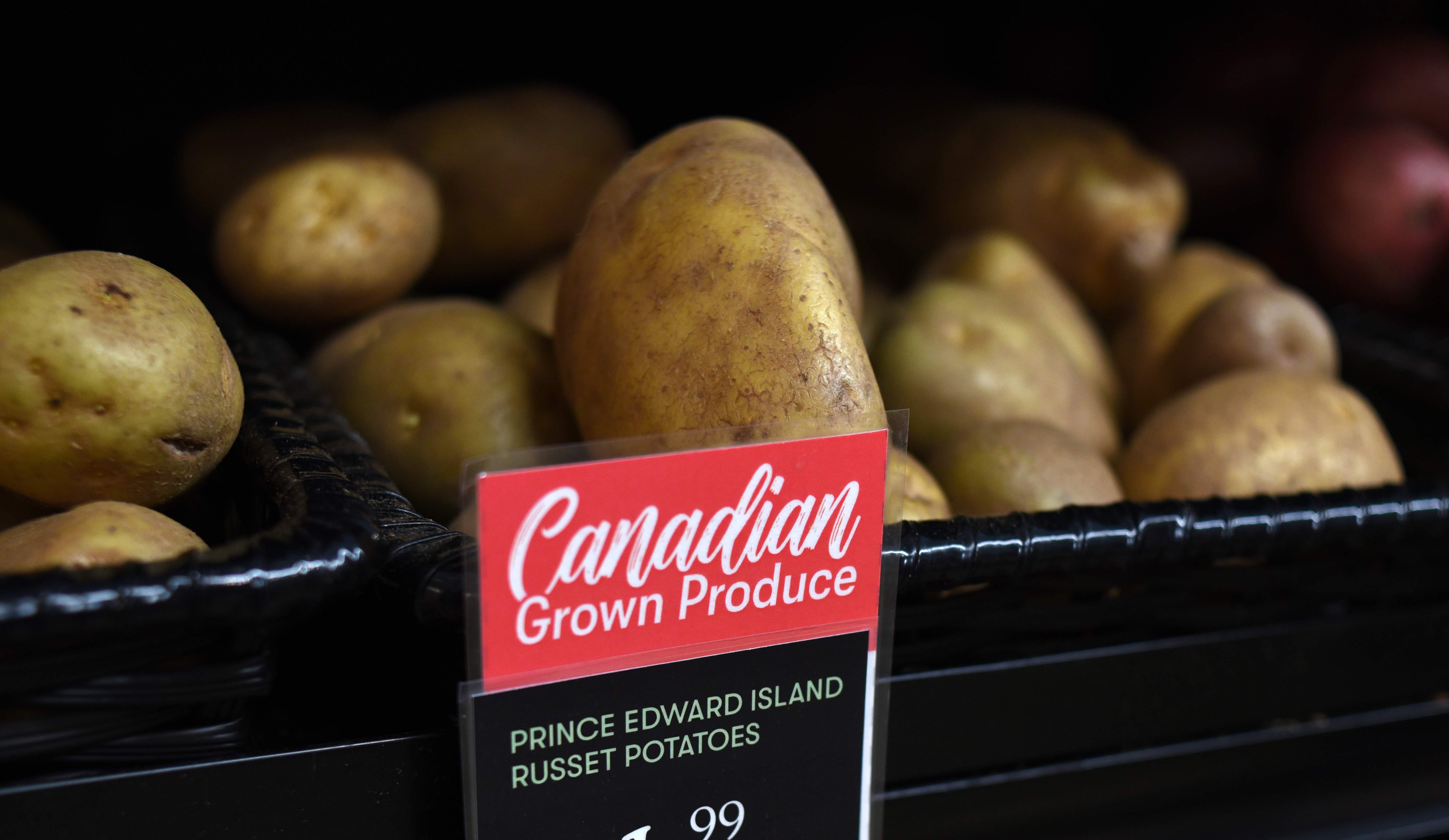
Canadian potato growers are popping champagne over a market that doesn't exist yet. The headlines scream about a "massive opening" in Mexico, citing the 2022 expansion of access for fresh Canadian table stock beyond the 26-kilometer border zone. They see 130 million hungry consumers. I see a logistical meat grinder that will chew up Canadian margins before a single Russet hits a shelf in Mexico City.
The industry consensus is lazy. It assumes that because a trade barrier fell, a profit center rose. This ignores the reality of North American produce flows, the sheer dominance of American supply chains, and a Mexican consumer profile that the Canadian Seed Potato establishment fundamentally misunderstands.
Canada isn't entering a vacuum. It’s entering a knife fight with a toothpick.
The Geographic Tax No One Talks About
Let’s look at the map. To get a fresh potato from Prince Edward Island or Manitoba to the central markets of Mexico, you aren't just crossing a border; you are fighting physics.
Fresh potatoes are heavy, low-value, and perishable. They are "water in a skin." When you move them 4,000 kilometers, the cost of diesel and refrigeration becomes a larger component of the price than the vegetable itself.
- The U.S. Advantage: Idaho and Washington growers are sitting on the doorstep. They have established rail spurs and trucking routes that have been refined for decades.
- The Backhaul Problem: A truck going from New Brunswick to Mexico has no guaranteed high-value return load. Who is paying for that deadhead? The grower.
- The Spoilage Variable: Every extra day in transit is a "shrink" tax. By the time a Canadian potato clears the administrative hurdles at the Mexican interior, its shelf life is already halved compared to a localized American or domestic Mexican competitor.
I’ve watched exporters burn millions trying to "force" a market where the math doesn't work. They treat shipping costs as a line item when they should treat them as a terminal illness.
The Myth of the Premium Canadian Spud
The prevailing narrative suggests that Mexican consumers are dying for "high-quality" Canadian potatoes. This is a patronizing, North-centric view of global trade.
Mexico is one of the world's most sophisticated produce hubs. They know potatoes. They also have a massive domestic industry that is politically influential and fiercely protective. When Canadian trade reps talk about "educating the Mexican consumer," they are really saying they don't have a price advantage.
If you can’t win on price—which Canada can’t, due to the aforementioned logistics—you have to win on brand. But a potato is a commodity. Try convincing a shopper in a mercado in Guadalajara to pay a 40% premium for a potato because it was grown in the red soil of PEI. It won't happen. The "quality" difference is negligible once the product has been vibrating in a refrigerated trailer for ten days.
Protectionism Isn't Dead; It Just Changed Clothes
The 2022 ruling was hailed as a legal victory. On paper, the interior of Mexico is open. In practice, the "Phyto-Sanitary" wall is taller than any physical fence.
Mexico’s potato growers' association (CONPAPA) is not a group that rolls over. They have mastered the art of "technical delays."
- Inspection Bottlenecks: Expect sudden, localized "finds" of pests that lead to entire shipments being turned back or destroyed.
- Certification Chokepoints: The administrative cost of proving your farm is free of specific nematodes and fungi often outweighs the profit on a few truckloads.
- The "Slow-Walk": Regulations that change every six months to keep foreign exporters off-balance.
I’ve seen this play out in the avocado and tomato trades for years. Trade agreements provide the right to sell, but they don't provide the ability to sell. Canada is celebrating a legal technicality while the Mexican domestic lobby is sharpening its regulatory knives.
The Opportunity Cost of Chasing Mexico
While Canadian agriculture boards fixate on the "Southern Expansion," they are ignoring the erosion of their own backyard.
The U.S. market is right there. It’s stable. The currency risk is manageable. The logistics are optimized. By diverting resources, marketing budget, and political capital toward Mexico, Canadian provinces are chasing a volatile, low-margin play while letting their core accounts stagnate.
Imagine a scenario where a Manitoba grower invests $500,000 in specialized packaging and certification for the Mexican market. Two years in, a local Mexican judge issues an injunction based on a "new" environmental concern. That investment is dead. The grower can't pivot back to the U.S. or domestic markets because they’ve built their infrastructure for a specific Mexican spec that no one else wants.
The Cold Truth of the "Fresh" Market
The real money isn't in fresh table potatoes. It never was. It’s in frozen processing.
Mexico’s demand for french fries and processed potato products is skyrocketing due to the growth of fast-food chains. Yet, the trade focus remains on "fresh" potatoes. Why? Because it makes for a better photo op for politicians.
Selling frozen fries is a B2B play with long-term contracts and stable logistics. Selling fresh potatoes to Mexican grocery stores is a high-risk, high-velocity gamble against a domestic industry that wants you to fail.
If Canada actually wanted to "win" in Mexico, it would stop trying to ship dirt-covered tubers and start building more processing plants on Canadian soil. But that requires actual industrial strategy, not just signing a trade treaty and hoping for the best.
Stop Asking if We Can Sell to Mexico
The question isn't "Can we sell?" The question is "Should we?"
When you account for the currency volatility of the Peso, the predatory pricing of Idaho competitors, and the inevitable "safety" inspections that will plague Canadian shipments, the ROI is a rounding error.
The industry is blinded by the "130 million people" statistic. They forget that 130 million people already have potatoes. They are bought from the guy down the street, or from the massive American conglomerate that owns the rail line. Canada is the third wheel in a two-party romance.
Forget the press releases about "new horizons." The "change" everyone is talking about isn't a gold rush; it's a slow-motion car crash of northern ambition meeting southern reality.
If you're a grower, keep your eyes on the domestic processing market and the high-value seed trade. Leave the fresh-market "expansion" to the people who enjoy losing money for the sake of a headline.
The border is open. The market is closed. Deal with it.