You wake up, check the local news, and find out someone sawed a fifty-thousand-dollar piece of religious art off its base just for scrap value. Sounds surreal, right? Welcome to Southern California, where the recent theft of a bronze Jesus statue from a Santa Ana church highlights a much uglier, growing trend.
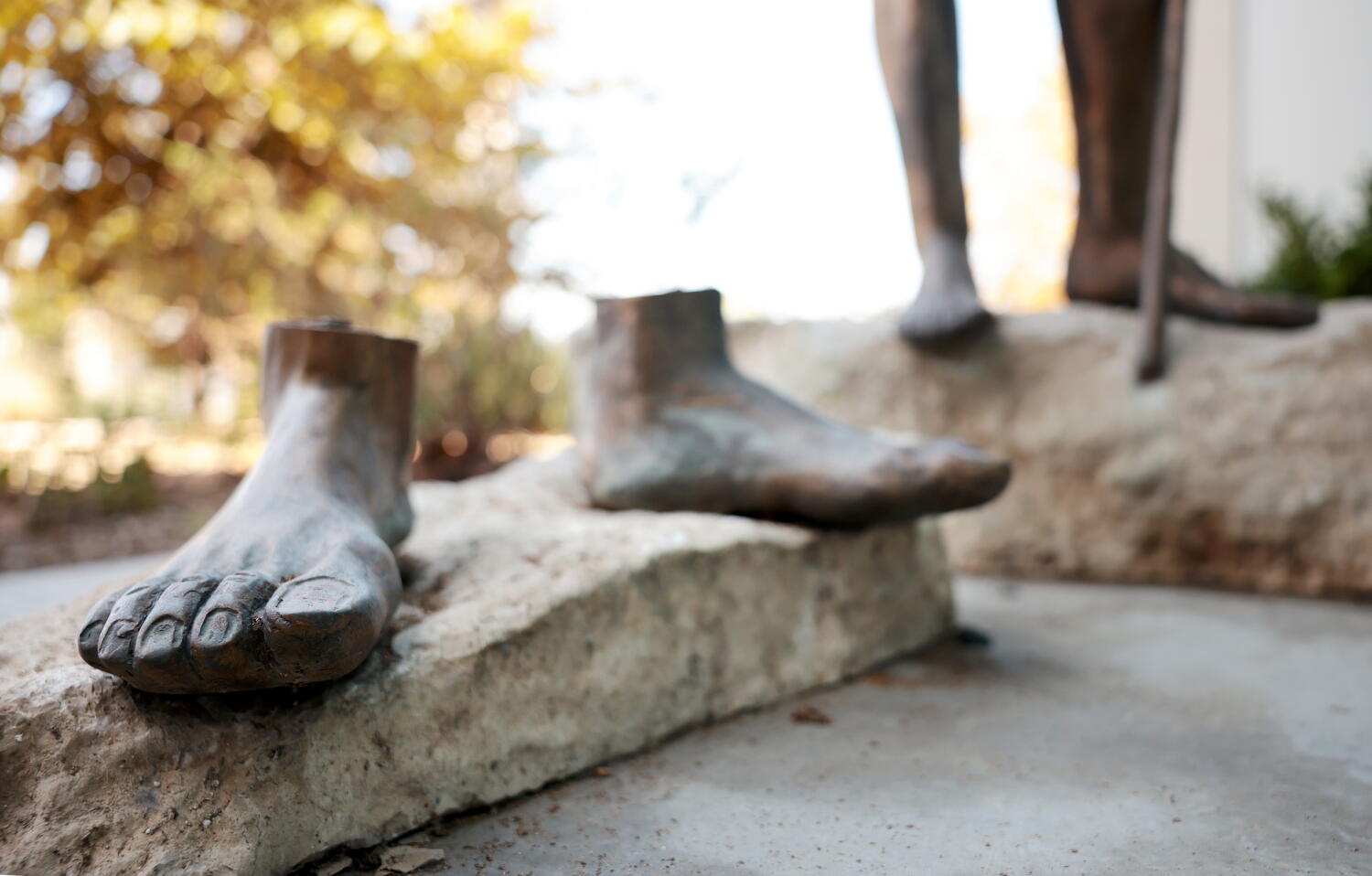
At around two in the morning on August 30, two individuals walked onto the campus of Christ Our Savior Catholic Church. They didn't come to pray. They came equipped with a bag and a portable electric cutting tool. In minutes, they sliced through the anchoring points of a massive bronze figure, leaving behind only a pair of disembodied feet standing on an empty pedestal.
This isn't just about a single bizarre crime. It is part of a relentless wave of metal thefts plaguing the region.
Why Metal Theft Is Spiking Out of Control
Scrap metal prices dictate this criminal underground. When copper and bronze command high payouts per pound at shady recycling yards, outdoor statues, plaques, air conditioning units, and even utility infrastructure become instant targets. Thieves don't care about historical value, religious significance, or community sentiment. They see raw weight and fast cash.
The Santa Ana incident is hardly an isolated event. Across Southern California, public parks, historic monuments, and veterans memorials have been repeatedly stripped by thieves looking to cash in on high scrap metal demand. When a piece of art worth fifty grand gets hauled away into the night, it usually ends up smashed, melted down, or sold for a tiny fraction of its actual worth.
Security cameras captured the whole operation, but surveillance footage rarely stops a determined thief moving under the cover of darkness. The Santa Ana Police Department has released details urging anyone with tips to contact Detective R. Wilson, yet recovering the actual sculpture intact remains a long shot once it enters the illicit scrap pipeline.
The Vulnerability of Public Art and Open Spaces
Churches, parks, and community centers face a brutal reality. They want to remain welcoming spaces. Keeping grounds open and accessible to the public means you cannot turn every courtyard into a fortress.
When you leave valuable bronze or copper sculptures exposed outdoors, you invite risk. Criminals know that many properties lack round-the-clock armed security or heavy-duty physical barriers. They count on the quiet hours between midnight and dawn when streets are empty and police response times are stretched thin.
Fixing this problem requires more than just hoping for better neighborhood watch programs. Property owners are now forced to rethink how outdoor installations are secured.
Protecting Vulnerable Sites
If you manage property, oversee a community space, or belong to an organization with outdoor metal art, you have to take proactive steps before thieves target your grounds.
- Anchor reinforcement: Standard bolts can be easily cut with battery-powered angle grinders. Upgrading to reinforced steel cores and hidden anchoring systems buys precious time during a break-in.
- Smart lighting and motion sensors: Basic floodlights aren't enough anymore. Integrated smart cameras with active audio warnings can deter amateur thieves before they start cutting.
- Material tracking: Registering unique outdoor art pieces with local law enforcement and alerting nearby recycling yards can make stolen sculptures toxic to fence.
The brazen theft of the Santa Ana statue proves that nothing is off-limits when criminals smell quick money. Until local recycling regulations tighten up and scrap yards face harsher penalties for accepting unverified metal, outdoor monuments will stay firmly in the crosshairs.
The $50K bronze Jesus statue stolen from an O.C. church
This video provides local news coverage and surveillance context regarding the stolen bronze statue incident in Orange County.