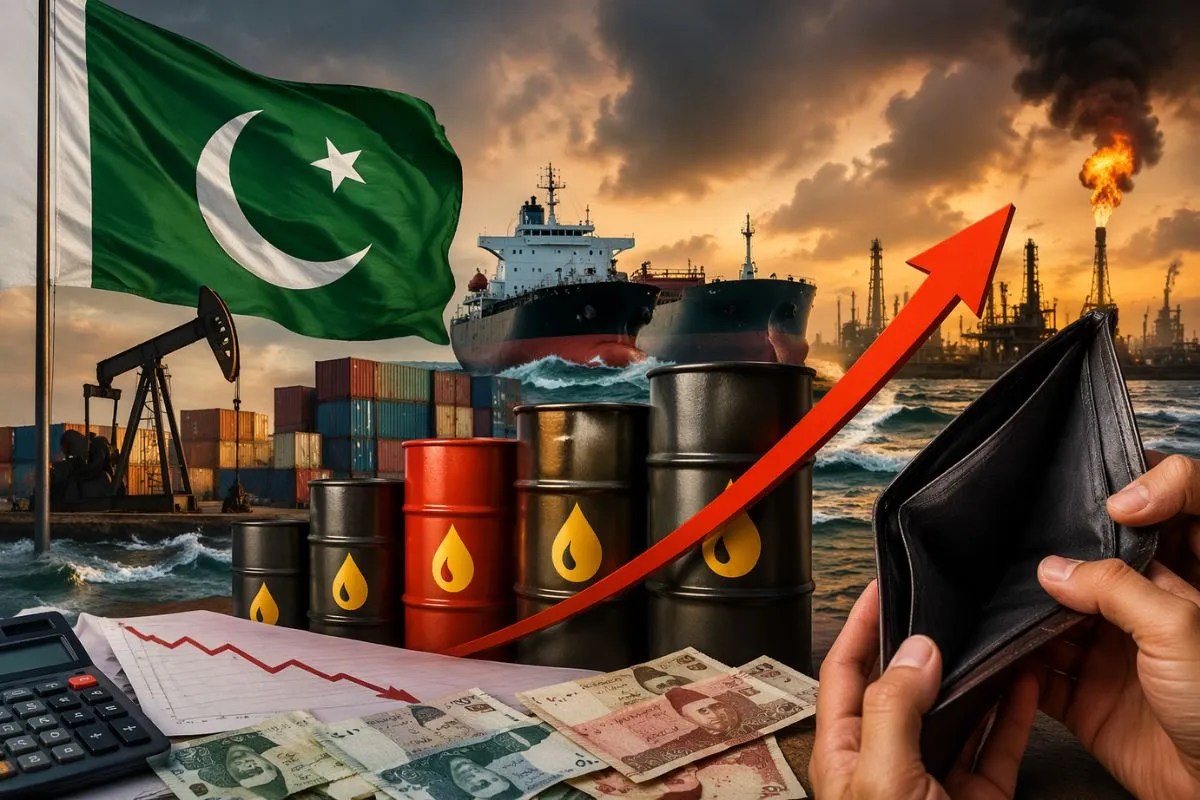
Pakistan’s current energy crisis is not a temporary fluctuation of global Brent crude prices but a structural failure of the nation’s circular debt mechanism and foreign exchange liquidity. When a state lacks the US Dollar reserves to back Letters of Credit (LCs) for essential imports, the domestic price of fuel ceases to be a reflection of market value and instead becomes a desperation tax on a shrinking industrial base. The inability to stabilize oil prices is the primary driver of a systemic feedback loop: high input costs trigger industrial contraction, which reduces tax revenue, which further weakens the Rupee, making the next shipment of oil even more expensive in local terms.
The Triad of Energy Dysfunction
The crisis is defined by three distinct but interlocking bottlenecks that prevent the Pakistani government from achieving price stability or supply security.
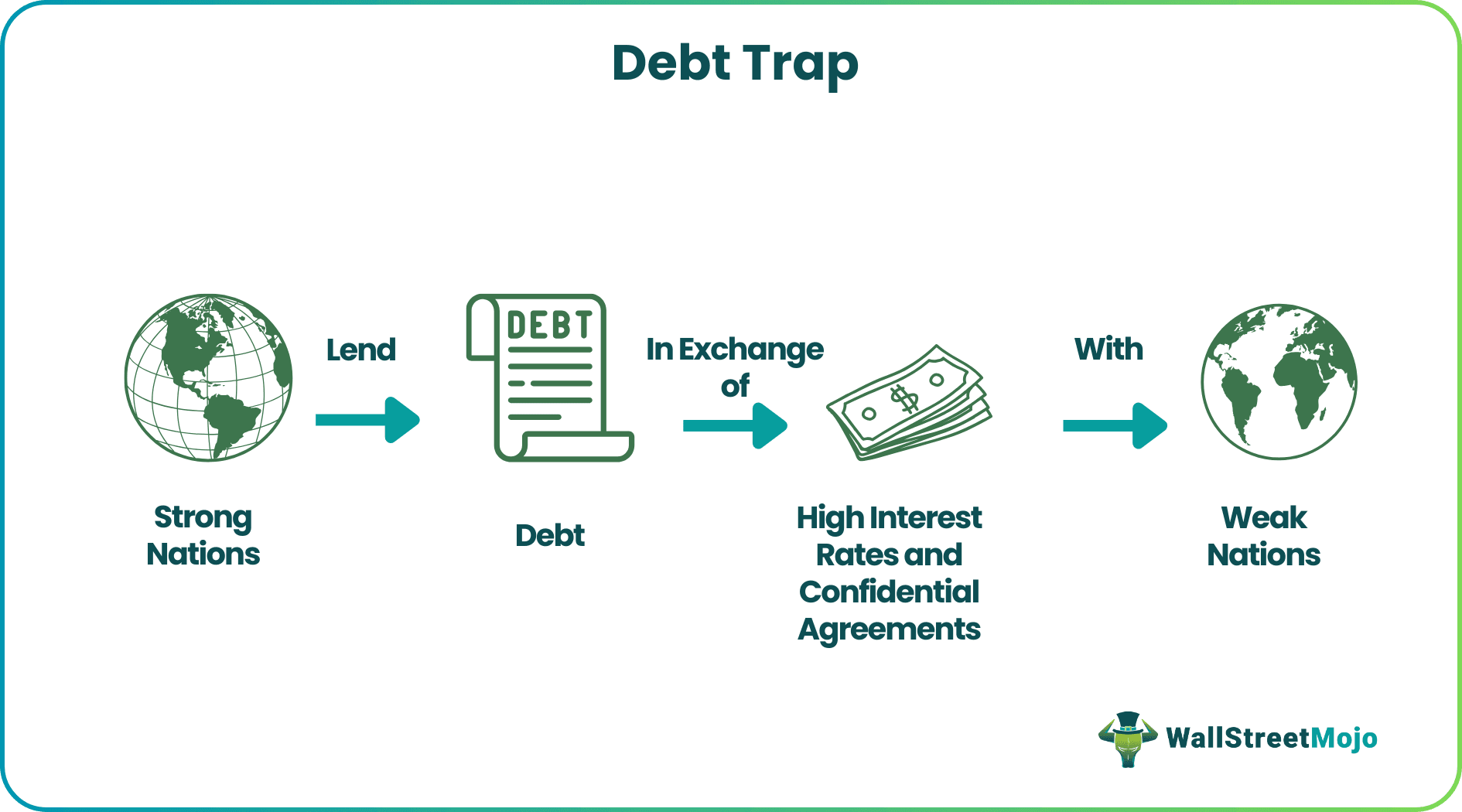
1. The Circular Debt Trap
The energy sector operates on a deficit-based model where the cost of power generation—largely dependent on imported oil and RLNG—is higher than the revenue recovered from consumers. This gap is caused by:
- Transmission and Distribution (T&D) Losses: Technical inefficiencies and theft that bleed energy before it reaches the meter.
- Non-Recovery of Dues: Failure to collect payments from both private and public sector entities.
- Delayed Subsidies: The government’s inability to pay power producers the difference between the actual cost of generation and the "notified" consumer tariff.
When the state fails to pay Independent Power Producers (IPPs), those producers cannot pay fuel suppliers. This leads to a chain reaction where refineries operate below capacity because they lack the cash flow to purchase crude, resulting in artificial shortages despite global availability.
2. Currency Devaluation and the "Pass-Through" Requirement
Pakistan’s reliance on the International Monetary Fund (IMF) necessitates a market-determined exchange rate and the elimination of unfunded subsidies. Because oil is priced in USD, every one-rupee drop against the dollar adds billions to the national import bill.
The "Petroleum Levy" (PL) and "Sales Tax" are the government’s only levers to meet fiscal deficit targets. Consequently, when global prices rise, the government is forced to pass 100% of the cost—plus additional taxes—to the consumer to maintain IMF compliance. This transforms oil from a utility into a fiscal extraction tool.
3. The Refined Product vs. Crude Imbalance
The domestic refining sector is aging and lacks the hydrocracking capabilities to maximize high-value products like gasoline and diesel from heavy crude. Pakistan is often forced to import expensive finished petroleum products (Mogas and HSD) rather than cheaper crude. This "refining gap" ensures that the country pays a premium on every liter of fuel consumed, as it is essentially exporting the profit margins of the refining process to foreign entities in the UAE or Saudi Arabia.
The Cost Function of Industrial Atrophy
Energy is the fundamental input for the manufacturing sector, specifically for textiles, which account for over 50% of Pakistan’s exports. The surge in oil and electricity prices creates a "Cost-Push Inflation" that destroys export competitiveness.
- Input Cost Surge: As fuel prices rise, the cost of transporting raw materials and powering machinery increases.
- Margin Compression: Exporters operating on thin margins cannot raise prices for global buyers without being undercut by competitors in Vietnam or Bangladesh.
- Capacity Shutdown: High-overhead factories cease operations, leading to mass layoffs.
- Revenue Erosion: A shrinking industrial sector yields less tax, forcing the government to raise fuel taxes further to meet revenue targets, restarting the cycle.
[Image of cost-push inflation diagram]
Institutional Failure and the Strategic Petroleum Reserve (SPR) Gap
A critical vulnerability in the Pakistani energy landscape is the lack of a robust Strategic Petroleum Reserve. Most developed and emerging economies maintain 60 to 90 days of oil consumption in storage to buffer against price shocks. Pakistan’s storage capacity often fluctuates between 7 and 21 days.
This "just-in-time" import model leaves the economy hyper-sensitive to maritime delays or short-term spikes in the Brent index. Without a physical buffer, the state cannot "buy the dip" when global prices are low. Instead, it is forced to buy when reserves are empty, regardless of the price, often at the peak of the market.
The Fallacy of the Russian Oil Solution
There is frequent discourse regarding the import of discounted Russian crude as a panacea for the crisis. However, the technical and geopolitical constraints are significant:
- Refinery Compatibility: Most Pakistani refineries are optimized for Arabian Light crude. Processing Russian Urals (which is heavier and sourer) yields a higher percentage of Furnace Oil—a product Pakistan is trying to move away from—and lower yields of high-demand Diesel.
- Logistical Costs: The freight cost from Russian ports to Karachi, combined with the lack of a dedicated long-term shipping fleet, often erodes the "discount" offered at the source.
- Financial Sanctions: Even with a "yuan-based" settlement, the lack of banking channels willing to risk secondary sanctions complicates large-scale, consistent procurement.
Quantifying the Subsidy Dilemma
The government faces a binary choice: social stability or fiscal solvency. Providing a "Price Differential Claim" (PDC) to oil marketing companies to keep prices low costs approximately 50 billion to 100 billion PKR per month depending on global rates.
The structural impossibility of this is rooted in the "Primary Balance" requirement of the IMF. If the government spends on fuel subsidies, it must cut from the development budget (PSDP) or education. Cutting PSDP leads to long-term infrastructure decay, while maintaining high fuel prices leads to short-term civil unrest. The state is currently trapped in a "low-growth, high-inflation" equilibrium where fuel is the primary driver of both.
The Logistic Bottleneck
Beyond the price of the molecule itself, the distribution of oil within Pakistan is plagued by inefficiency.
- Reliance on Road Transport: A massive portion of fuel is moved via tank trucks rather than pipelines or rail. Road transport is inherently more expensive, less safe, and more prone to "black market" siphoning.
- The White Oil Pipeline: While the multi-product pipeline from Karachi to Mahmood Kot has improved efficiency, the lack of a comprehensive national network means the "last-mile" cost of fuel in northern regions (Punjab and KP) is disproportionately high.
Strategic Realignment Requirements
To break the dependency on the oil-dollar-debt cycle, the following structural shifts are required. These are not suggestions for "better management" but fundamental pivots necessary for sovereign survival.
Accelerated Decarbonization of the Transport Sector
The focus must shift from subsidizing fuel to incentivizing Electric Vehicle (EV) conversion for two-wheelers and three-wheelers, which consume a significant portion of the country's gasoline. Reducing the volumetric demand for refined products is the only way to lower the import bill without destroying economic activity.
Upgrading the Refining Complex
A mandatory policy for refineries to upgrade to Euro-V standards and install hydrocrackers is essential. This allows the country to import cheaper, heavier crudes and convert them into high-value fuels domestically, capturing the refining margin that currently flows abroad.
Integration of Regional Gas Pipelines
The completion of the Iran-Pakistan (IP) gas pipeline remains a geopolitical casualty. While the threat of US sanctions is the primary deterrent, the economic cost of not having a permanent, cheap, land-based energy source is arguably higher for the long-term viability of the Pakistani state.
Eliminating the "Single-Buyer" Model
The Central Power Purchasing Agency (CPPA) acts as a bottleneck. Moving toward a "Competitive Trading Bilateral Contract Market" (CTBCM) where bulk power consumers can buy directly from producers would introduce market discipline. This would force inefficient oil-based plants to either modernize or exit the market, reducing the overall "capacity payment" burden on the state.
The immediate survival of the Pakistani economy depends on securing short-term liquidity, but its long-term stability hinges on reducing the "Energy-to-GDP" intensity. As long as every percentage point of GDP growth requires a corresponding increase in imported oil, the nation will remain in a permanent state of balance-of-payments vulnerability. The strategy must move from "managing the shortage" to "altering the fuel mix" entirely.