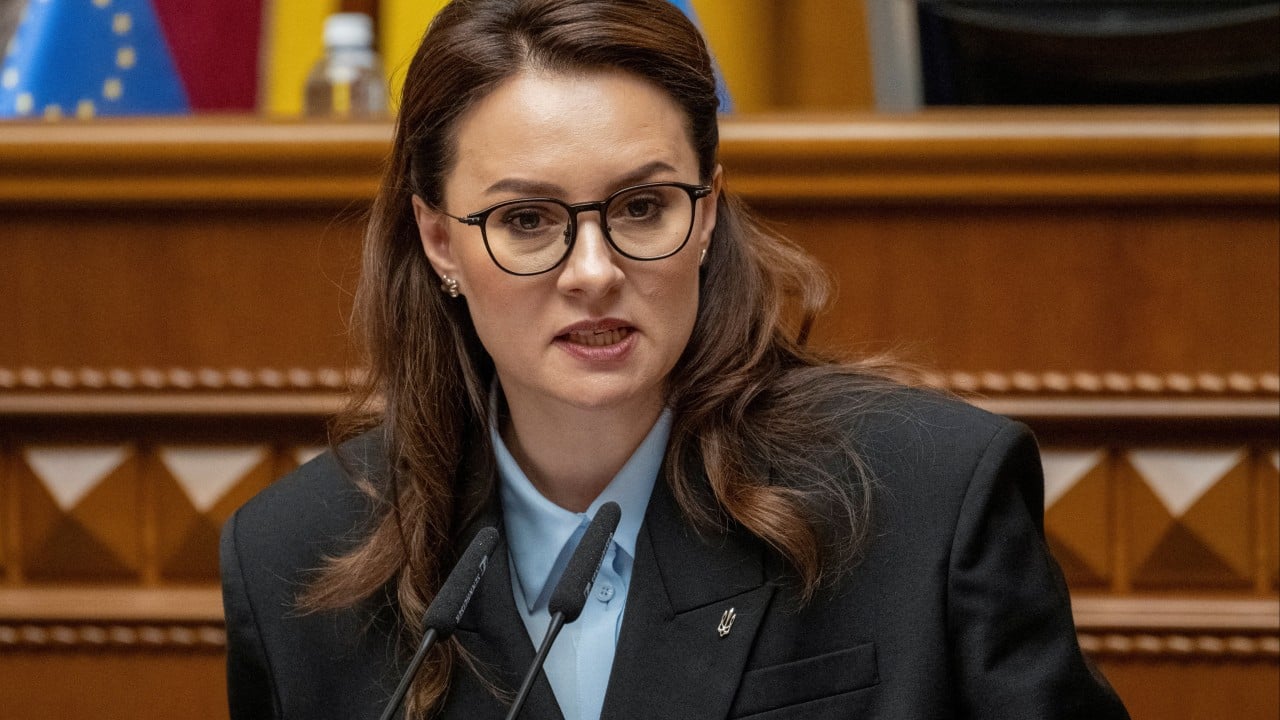
The announced resignation of Ukrainian Prime Minister Yulia Svyrydenko and the broader restructuring of the Cabinet of Ministers mark a structural pivot in the state’s wartime management framework. Under martial law, which halts standard electoral mechanisms, political reorganization serves as the primary tool for institutional realignment. This shift is not merely a bureaucratic replacement; it is a calculated modification of the executive architecture designed to address specific external and internal challenges.
The Strategy Shift: Diplomatic Specialization and Granular Foreign Policy
The reorganization is driven by the limits of a centralized diplomatic approach. As the conflict extends into its fifth year, broad appeals for international support yield diminishing returns. Kyiv is shifting toward a model of targeted diplomatic specialization, assigning specific individuals to manage explicit bilateral vectors.
The primary cause-and-effect sequence behind Svyrydenko’s transition from Prime Minister to a specialized external role—widely anticipated to be the Ukrainian Ambassadorship to the United States—lies in her specific economic track record.
- Bilateral Economic Alignment: During her tenure as Economy Minister and subsequent elevation to Prime Minister in July 2025, Svyrydenko finalized a critical minerals agreement with Washington. This tied U.S. domestic industrial interests directly to Ukrainian security.
- The Transnational Counterpart Variable: In the context of a transactional U.S. administration, Svyrydenko's background matches the required diplomatic profile. Her move from general administrative oversight to a specific foreign policy vector indicates that Kyiv views targeted economic diplomacy as a core component of its national security architecture.
This optimization extends beyond Washington. The restructuring establishes distinct portfolios for critical diplomatic nodes, separating foreign policy into specific tasks:
- Air Defense Licensing: Finalizing agreements for the domestic production of advanced platforms, such as Patriot air defense systems, under Western license.
- Regional Integration and Border Management: Managing specific bilateral friction points with European Union neighbors, specifically Poland and Hungary, to preserve transport and logistics corridors.
- Alternative Capital Diversification: Deepening engagement with the Gulf region and managing relations with China to broaden diplomatic support beyond the transatlantic alliance.
Internal Logistics and State Capacity Constraints
The institutional restructuring also addresses a decline in domestic state capacity, which has been accelerated by systemic stress on critical infrastructure. The state's administrative challenge can be broken down into three core operational variables:
Infrastructure Vulnerability and Winter Preparedness
Repeated strikes against the Ukrainian power grid have shifted the state’s primary domestic challenge from economic management to basic infrastructure survival. The incoming Prime Minister—with leading candidates including Naftogaz Chief Executive Sergii Koretskyi and current Energy Minister Denys Shmyhal—will be judged on an infrastructure objective function: maximizing energy generation capacity and grid resilience before seasonal temperature drops increase demand.
Frontline Governance and Decentralized Logistics
The reorganization changes how frontline and border regions are managed. Constant cross-border attacks require a shift from civilian administration to a military-logistical model. The executive branch needs leaders who can quickly translate central budget allocations into tactical results, specifically expanding domestic drone production and ensuring a consistent supply of munitions.
Anti-Corruption Compliance as a Security Factor
The restructuring includes the leadership of major law enforcement agencies. This change occurs alongside domestic investigations into corruption in procurement. For Kyiv, anti-corruption enforcement is an operational requirement for international assistance. Western security aid is tied to institutional transparency; structural corruption reduces the volume and speed of incoming military logistics. By changing law enforcement leadership at the same time as the cabinet, the executive branch is attempting to reassure international donors of its oversight mechanisms.
Executive Centralization and Parliamentary Dynamics
The constitutional mechanism triggered by Svyrydenko's resignation changes the balance of power between branches of government. Under Ukrainian law, the resignation of the Prime Minister automatically causes the resignation of the entire Cabinet of Ministers. This creates a clean slate for structural changes, but it introduces distinct operational risks.
[Prime Minister Resignation] ---> [Automatic Cabinet Dissolution] ---> [Parliamentary Confirmation Bottleneck]
The success of this strategy depends on the parliamentary confirmation process. While President Volodymyr Zelenskyy’s Servant of the People party maintains a nominal majority, executing a complete cabinet overhaul introduces a political bottleneck. The time between a cabinet's dissolution and the confirmation of its successor creates temporary administrative vulnerabilities.
The strategy relies on a single calculation: the benefit of installing specialized, technocratic leadership across key ministries must outweigh the short-term disruption caused by an institutional transition during an active conflict.