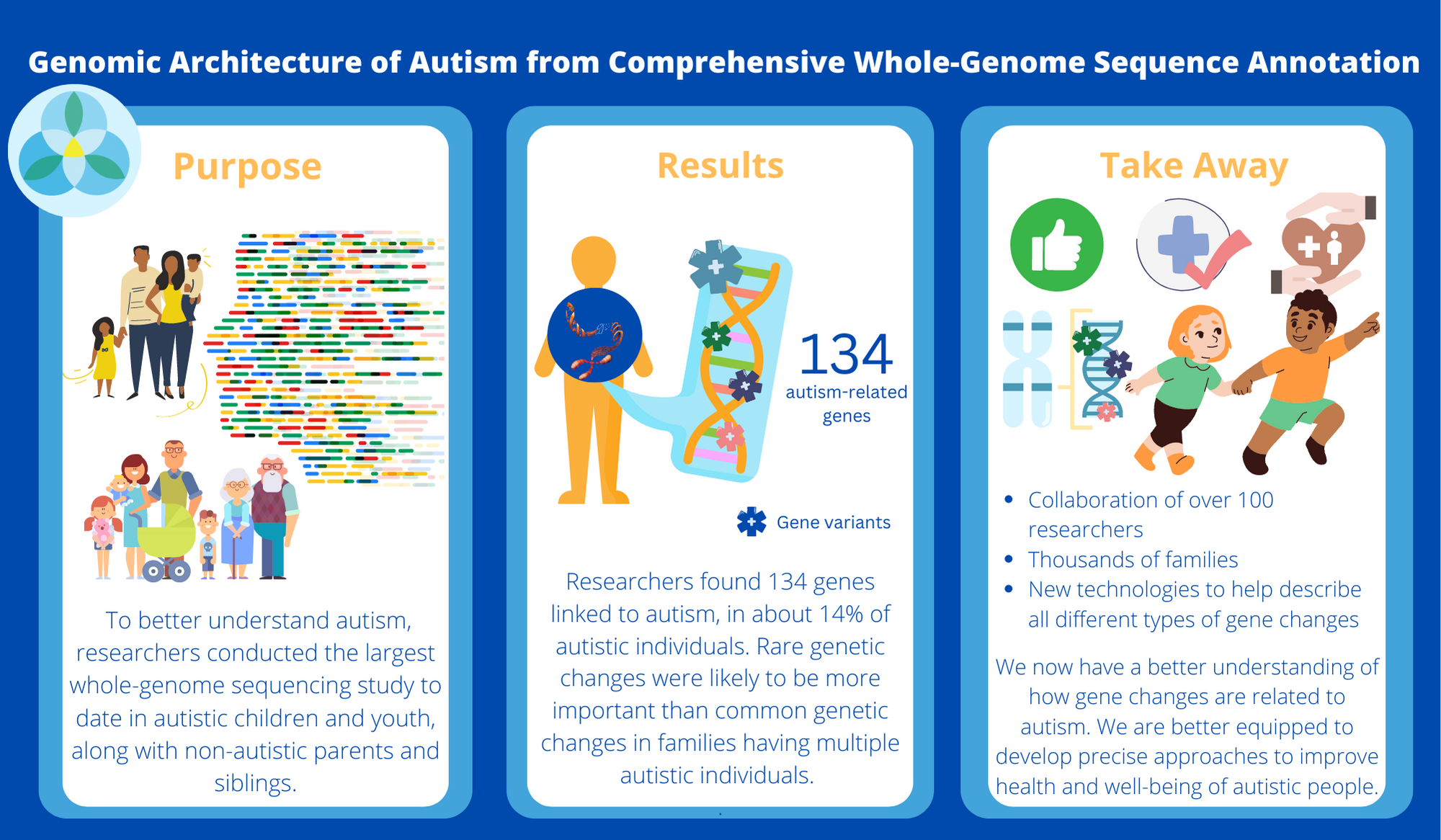
Elena sits in a plastic chair that has grown far too familiar over the last six months. She is thirty-four years old. She lives in a zip code in East Los Angeles where the air smells faintly of diesel and blooming jasmine. In her hand, she clutches a folder thick with glossy printouts, graphs that show lines trending upward, and statistics that scream victory. According to the data, Elena is living in a golden age. Cancer survival rates across the United States have reached an all-time high, dropping by roughly 33% since 1991. That is millions of lives saved. Millions of birthdays, graduations, and quiet Sunday mornings that didn’t happen thirty years ago.
But Elena isn't reading the graphs. She is looking at a word she doesn't recognize on page four of her biopsy report.
The medical community is currently celebrating a monumental triumph of science. We have cracked the code on immunotherapy. We have mapped the genome. We can now target specific mutations with the precision of a heat-seeking missile. Yet, for many residents in the sprawling, polyglot neighborhoods of Los Angeles, these miracles might as well be happening on Mars. The distance between a breakthrough in a laboratory and a patient’s bedside isn't measured in miles. It is measured in language, trust, and the terrifying weight of a bus pass.
The Great Divide
The numbers tell a story of two different worlds. If you are white, college-educated, and insured, your chances of surviving a cancer diagnosis today are better than at any point in human history. You are likely to catch the disease early through routine screenings. You understand the nuances of a clinical trial. You can navigate the labyrinth of a digital patient portal.
Now, consider a different path.
Imagine a man named Javier. This is a hypothetical scenario, but any oncologist in the L.A. Basin will tell you they see a version of Javier every single Tuesday. Javier works in construction. He speaks enough English to get through a workday, but not enough to understand the difference between "malignant" and "metastatic" when spoken quickly by a doctor who is running fifteen minutes behind schedule. Javier has a persistent cough. He ignores it because a day off work means a day without pay. By the time the pain becomes unbearable and he visits a clinic, the "soaring survival rates" the media loves to talk about no longer apply to him.
His cancer is Stage IV.
The tragedy isn't that we don't have the cure. The tragedy is that we have it, but we haven't figured out how to hand it to him. In Los Angeles County, the disparity in outcomes is stark. While overall mortality drops, the gap between the most affluent neighborhoods and the most underserved areas remains a jagged wound. This isn't a failure of biology. It is a failure of communication.
The Invisible Wall of Language
We often think of "barriers to care" as a lack of hospitals or equipment. In reality, the most formidable wall is often built of words.
Medical literacy is a silent gatekeeper. When a specialist explains a treatment plan involving "adjuvant chemotherapy" and "monoclonal antibodies," they are speaking a dialect of a dialect. Even for native English speakers, this is a stressful, confusing experience. For a family whose primary language is Spanish, Mandarin, or Korean, the nuance is stripped away. What remains is fear.
Doctors in Los Angeles warn that patients from immigrant communities are significantly less likely to enroll in clinical trials—the very trials that provide access to the "cutting-edge" treatments driving those national survival statistics. It isn't because these patients don't want to live. It’s because the consent forms are twenty pages of dense legalese. It’s because nobody explained that the trial isn't "testing" them like a lab rat, but offering them a seat at the table of modern science.
Trust is a currency. In many communities, that currency is in short supply. Historical trauma, fear of deportation, and a general sense of being "othered" by the healthcare system lead to a dangerous delay in seeking help. When people don't trust the institution, they wait. They wait until the lump is visible. They wait until the pain is a scream.
The Cost of Navigating the Labyrinth
Let’s talk about the logistics of hope.
To benefit from the 2026 standard of cancer care, a patient needs more than just a good doctor. They need a navigator. Think of the modern medical system as a dense, fog-covered forest. The wealthy hire guides. They have advocates, private nurses, and the time to spend four hours on the phone with insurance adjusters.
For a mother in South L.A., the forest is just as thick, but she is walking it alone, at night, while holding a toddler's hand.
- Transportation: A series of radiation treatments requires daily visits. If you don't have a reliable car and the bus takes two hours each way, how do you keep your job?
- Education: Knowing which questions to ask is half the battle. If you don't know that a second opinion is a right, not a localized insult to your first doctor, you stay silent.
- Cultural Stigma: In some cultures, a cancer diagnosis is still whispered about as a curse or a source of shame. This silence prevents the communal support that is often vital for recovery.
These aren't "soft" issues. They are as lethal as a tumor. A patient who misses three appointments because their childcare fell through has a worse prognosis than a patient with a more aggressive form of cancer who never misses a dose. We are witnessing a divergence in human evolution where your survival is determined by your ability to navigate a bureaucracy.
Breaking the Silence
The solution isn't just more funding for research. We have the research. We have the drugs. What we need is a revolution in how we deliver them.
Some L.A. hospitals are starting to employ "promotoras"—community health workers who bridge the gap. They don't just translate words; they translate culture. They sit in the living rooms of people like Elena and Javier. They explain that the "poison" of chemotherapy is actually a tool. They help fill out the forms. They turn the "invisible" patient into a person with a name and a plan.
This work is slow. It is unglamorous. It doesn't make for the kind of flashy headlines that a new "cancer-killing pill" does. But it is the only way to ensure that the "soaring survival rates" aren't just a privilege for the few.
We are currently standing at a crossroads. On one path, we continue to innovate in a vacuum, watching the lines on our graphs go up while the bodies in our morgues still reflect the same old zip-code inequities. On the other path, we acknowledge that a cure that can’t be understood or accessed is no cure at all.
Elena eventually found a navigator. She found someone who took the time to explain that the word on page four wasn't a death sentence, but a roadmap. Her treatment began three weeks later. She is one of the lucky ones, not because her cancer was less aggressive, but because the wall of language was finally kicked down.
The sun sets over the 405 freeway, casting long, golden shadows over a city that contains both the world’s most advanced medical centers and neighborhoods where people are dying of preventable complications. The lights of the Cedar-Sinai and UCLA towers flicker on, beacons of a future that is already here.
The question is no longer whether we can beat cancer. The question is who we are willing to leave behind in the dark while we do it.
Elena closes her folder. She stands up. She walks toward the exam room door, not as a statistic, but as a woman who finally knows what the next step is. For the first time in months, she isn't just surviving the data; she is breathing the air.